
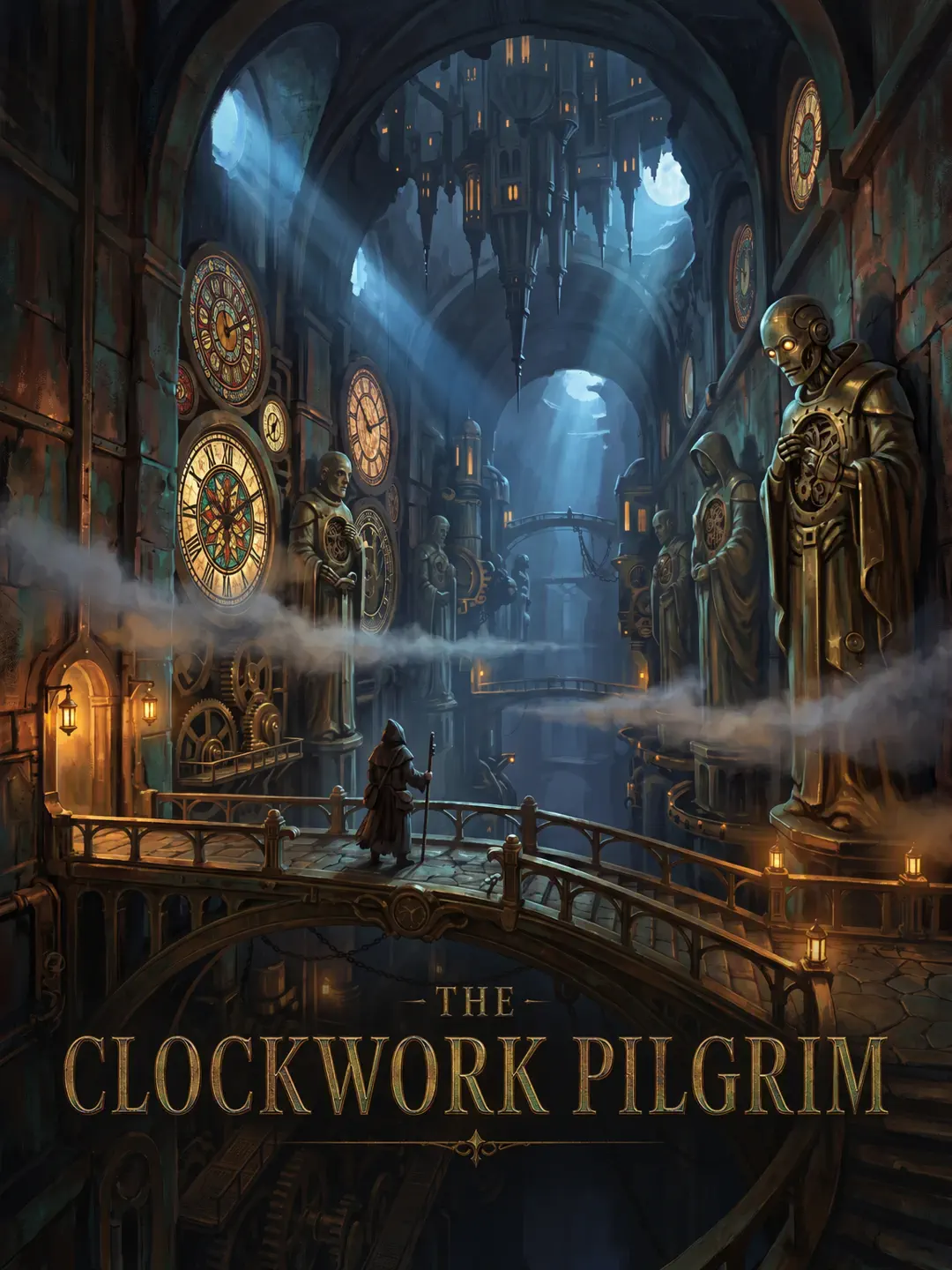
The Clockwork Pilgrim
Beneath the bronze pilgrimage city of Ostrehal, a vast clockwork dungeon has begun to wake — rooms rearranging themselves in the night, brass saints whispering to sleepwalking engineers, and pilgrims vanishing between the hour bells. You have arrived during the Festival of Gears, just as the city is becoming unsafe to stand in, and impossible to leave.
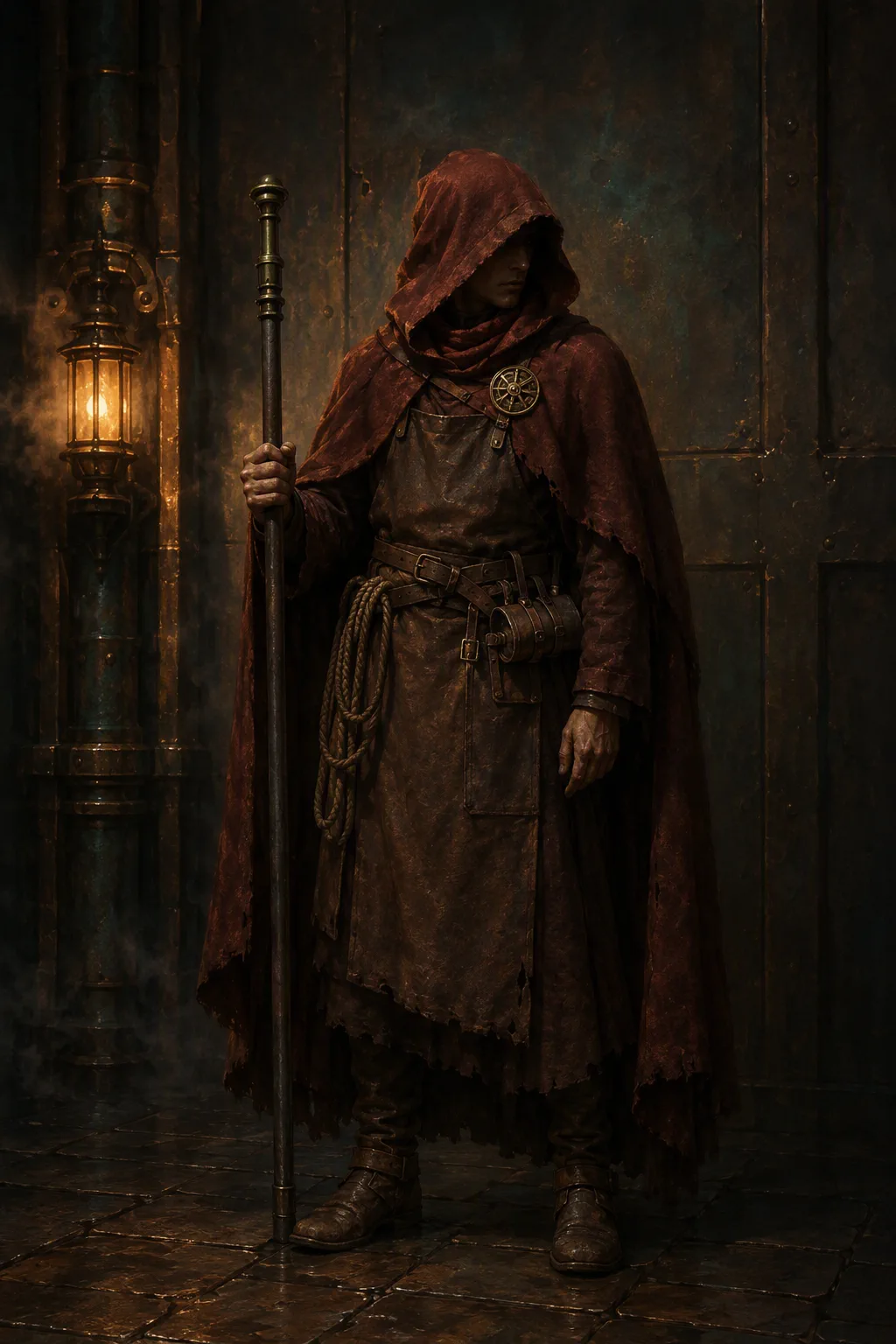



By starting, you agree to our Terms of Service, Privacy Policy and Refund Policy.
The dungeon is the one on a journey
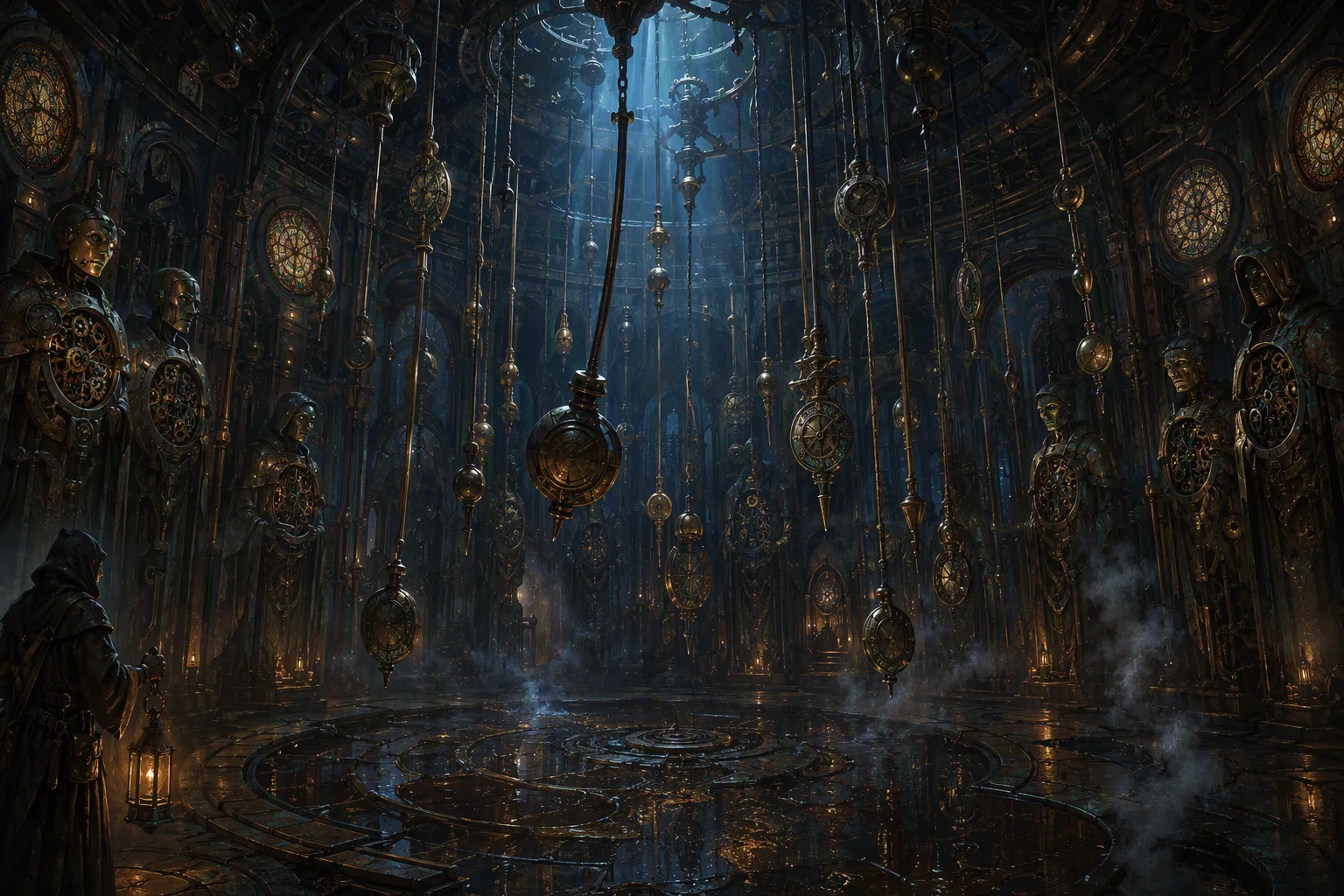
Most dungeon crawls hand you a hole in the ground and a reason to go down it. The mechanism under Ostrehal does not need you at all. It has begun to dream itself awake, and what it believes it is doing is walking — a pilgrimage whose destination it does not know either. Every room it rotates is a step. Corridors lengthen when you look away, saint-statues watch you with escapements turning in their open chests, and none of it is aimed at you. You came to this bronze city for a blessing, an answer, or a debt you cannot repay. So, in its own patient way, did the thing underneath it.
Nine nights, and one new door on each of them
The Festival of Gears runs for nine nights. Clockwork saints are paraded, wine is poured into the street-drains as offering, a chosen child is crowned the Little Cog, and the dungeon is open to the faithful — meaning the Temple Engineers cannot keep anyone out. Each night one bell-tower chimes a new hour and one new section of the mechanism unlocks; on the ninth night the Mouth closes for a year, or doesn't.
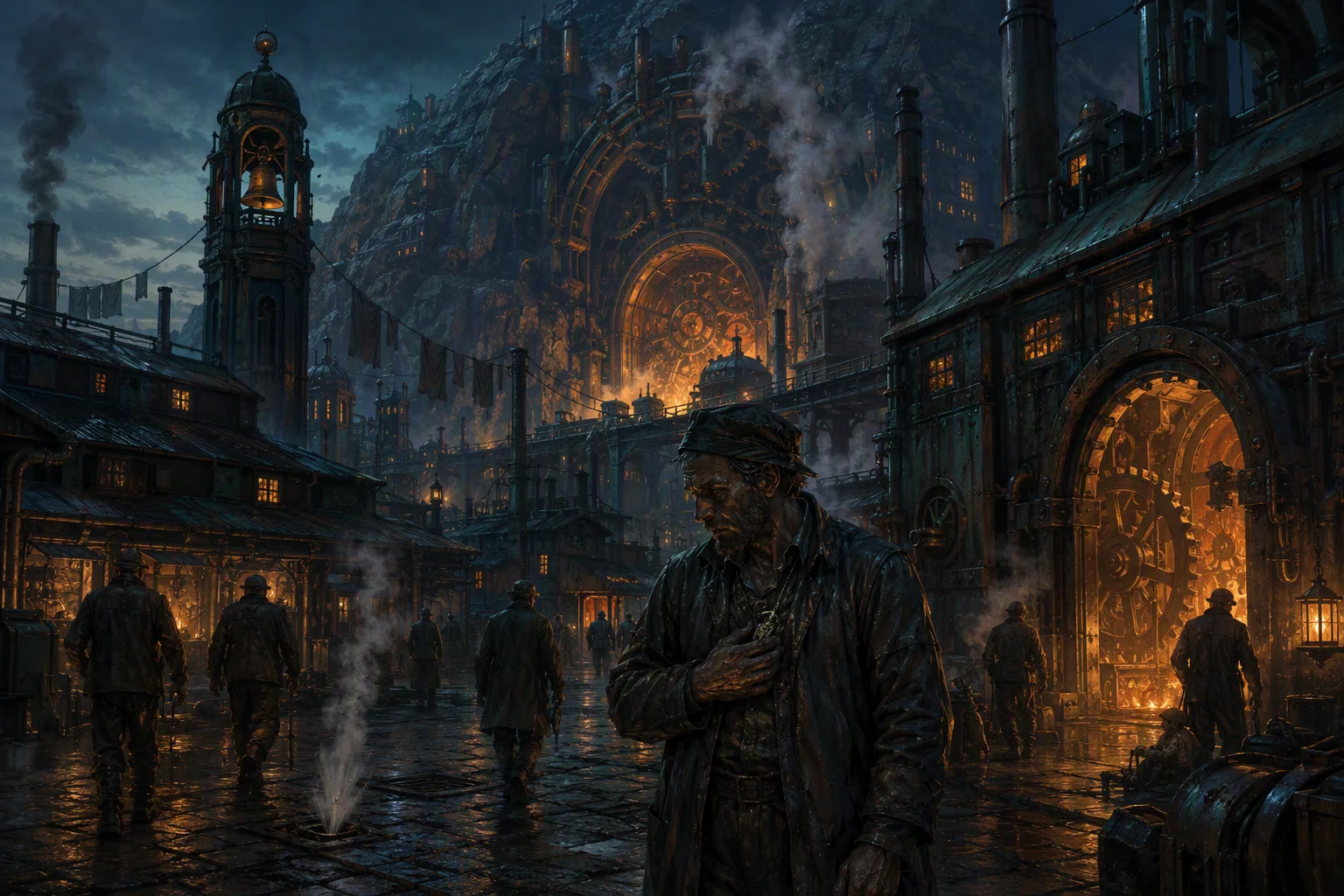
Underneath the festival joy is the thing nobody official will name: pilgrims go missing between the hour bells, most of them from Lowbell, the foundry district at the base of the hollow mountain.
Everyone already has an answer, and none of them is yours
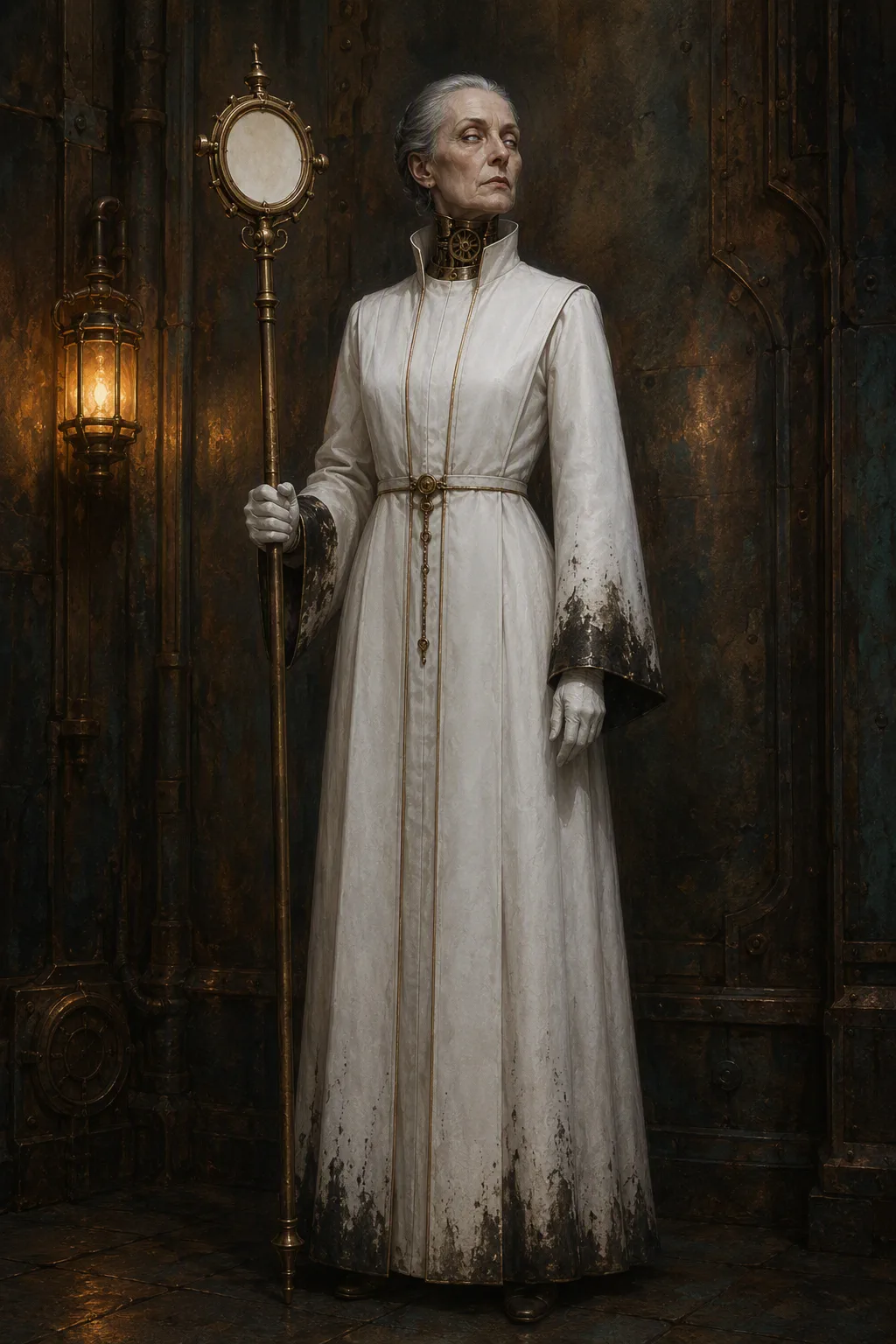
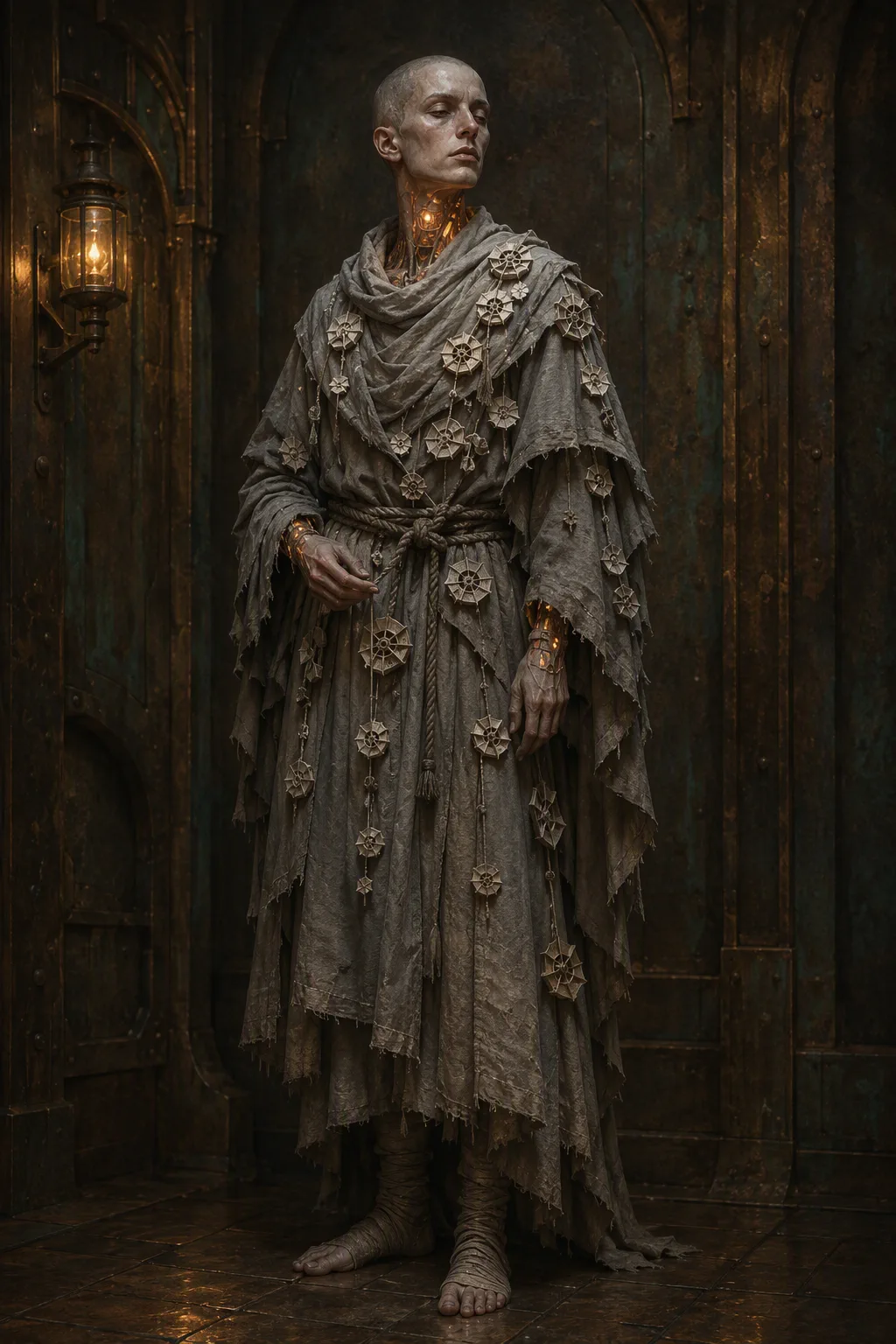
The Temple Engineers hold that the dungeon is a holy body to be soothed, never explored, and quietly abduct pilgrims who destabilise it. Their High Escapement, Vaerin Tull, is a thin woman with a brass throat-prosthetic that makes her voice tick. The Ninefold Pilgrimage, a heretical pilgrim movement, believes the opposite: the walk must be helped to finish. They leave folded paper gears in corridors, and some of them have begun to tick when they breathe.
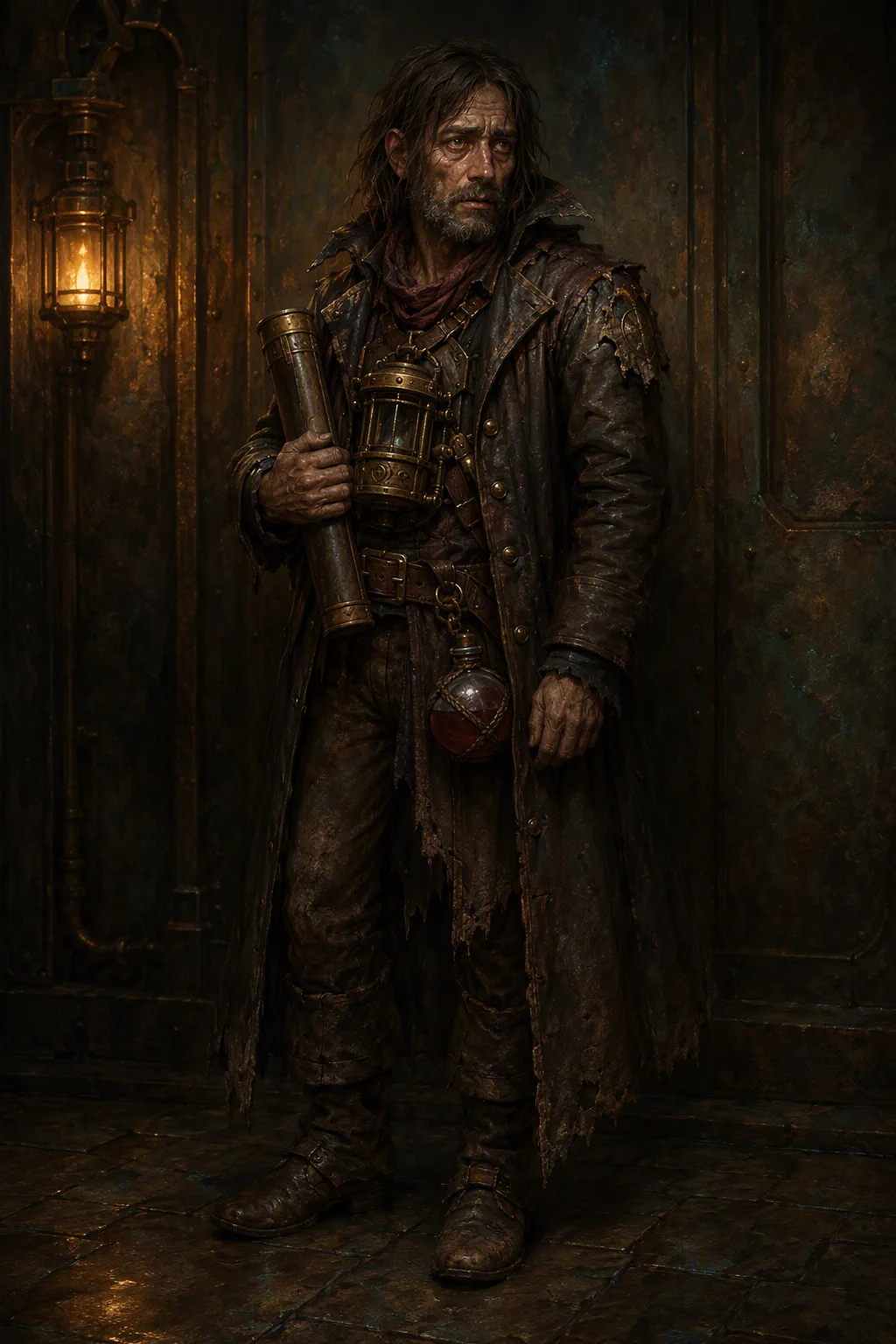
Between those two are the professionals. The Brass Candle Guild are licensed surveyors in leather coats and whale-oil chest-lanterns, territorial enough to sabotage rivals; Guildmaster Orben Kesk is a charming drunk who sells maps and owes someone dangerous. The Cartographers' Envy, a showy free expedition of four to six, keep arriving at doors just before or after you do. And the Lowbell Mutual, the underground workers' association striking through the festival, want the Temple to account for the missing — and will ask you to carry messages.
What actually changes when you play
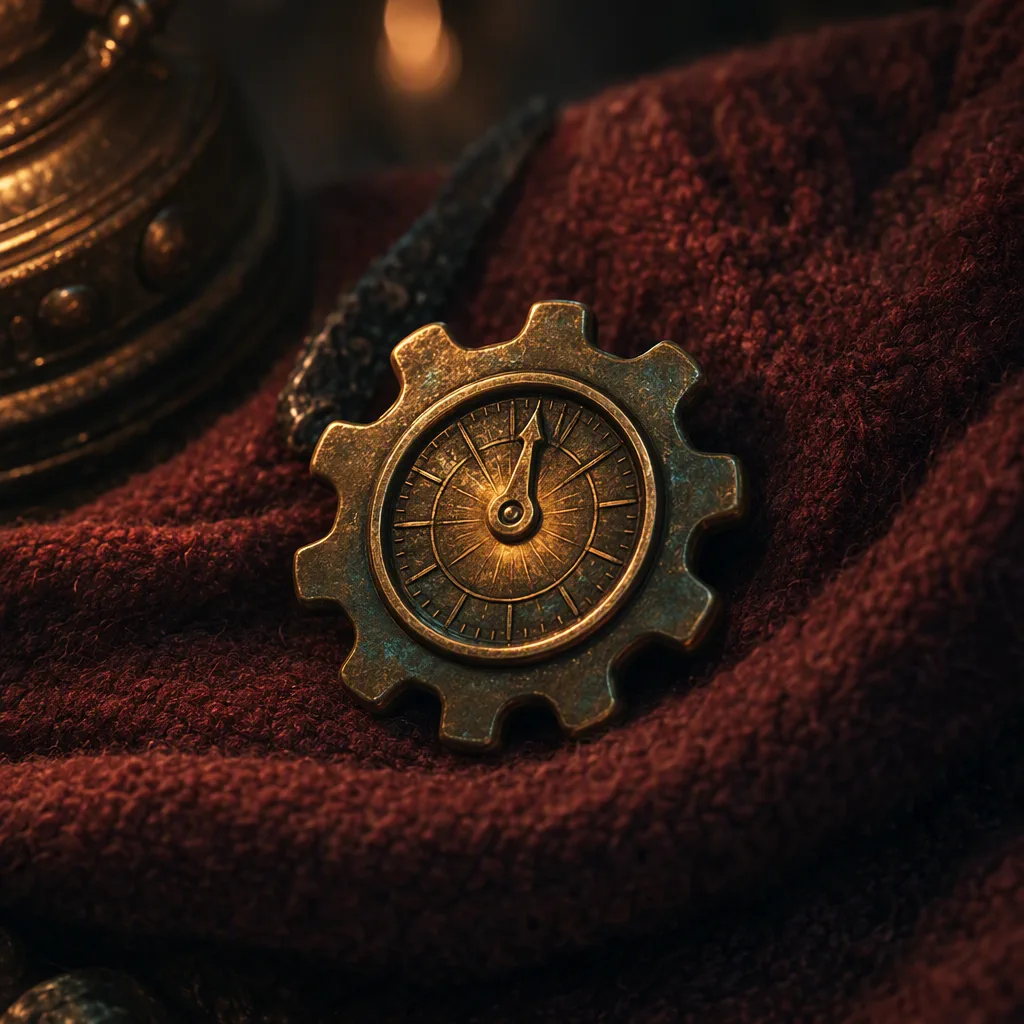
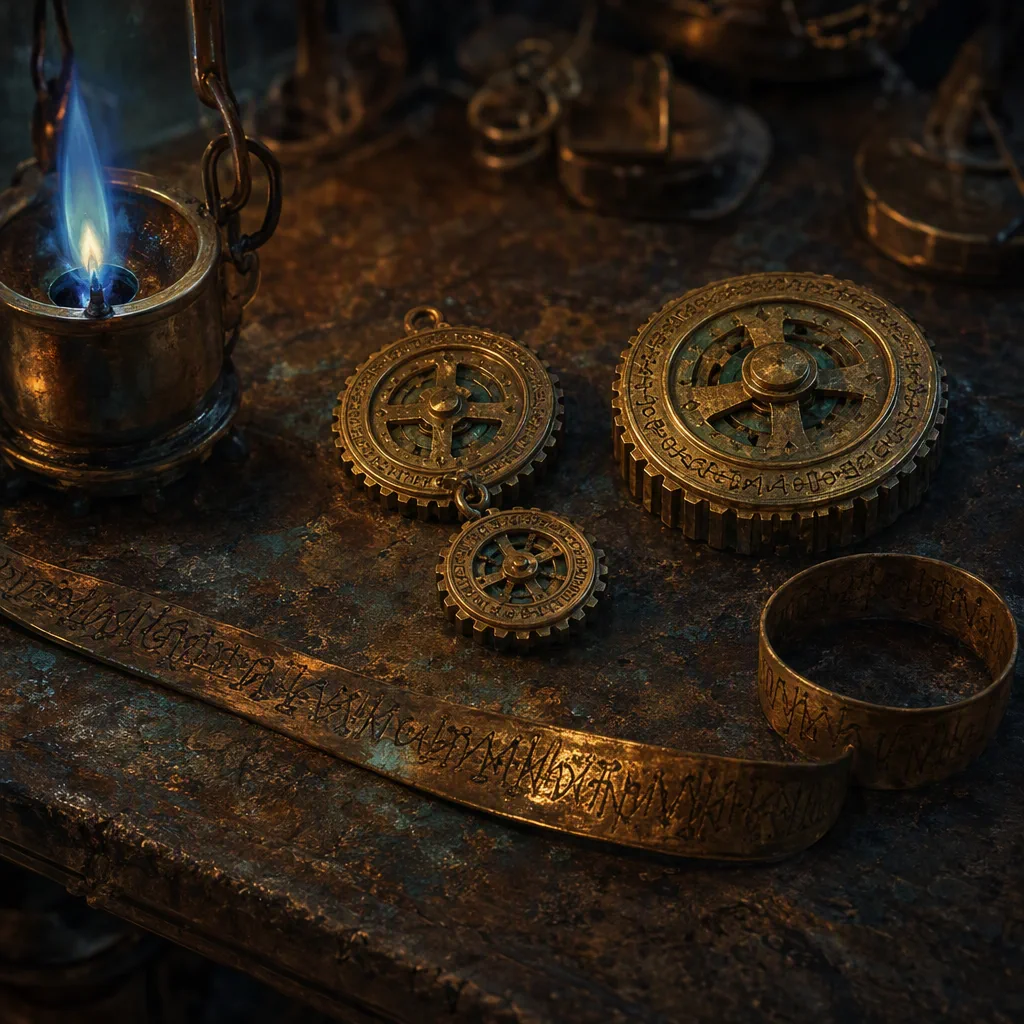
This is a broad exploration sandbox, not a quest chain: scenes put three or four concrete things within reach and oblige you to take none of them. Brass prayer-gears fit into slots in certain walls. Some doors open only when the right hymn is sung nearby. The Clock Choir's forty-nine pendulums sing if struck in the correct order. Break the wax prayer sealing a votive door and you have committed sacrilege, and news of it travels faster than you do.
Because the factions move on their own schedule, siding with anyone is a running cost, not a menu pick. Carry Lowbell's messages and the Temple notices. Take Guild coin and the Envy notices. Danger is announced first: you see the rival expedition's lanterns before you hear them, and the shift-bell rings before the corridor turns. Pause too long and something happens anyway — a laborer collapses in the plaza with his chest ticking, rain turns the bronze city into a faintly ringing bell. The narrator works from this canon rather than inventing a world each turn, which is why the mechanism stays consistent while you are still misreading it.
The city is worth as much of your time as the hole in it
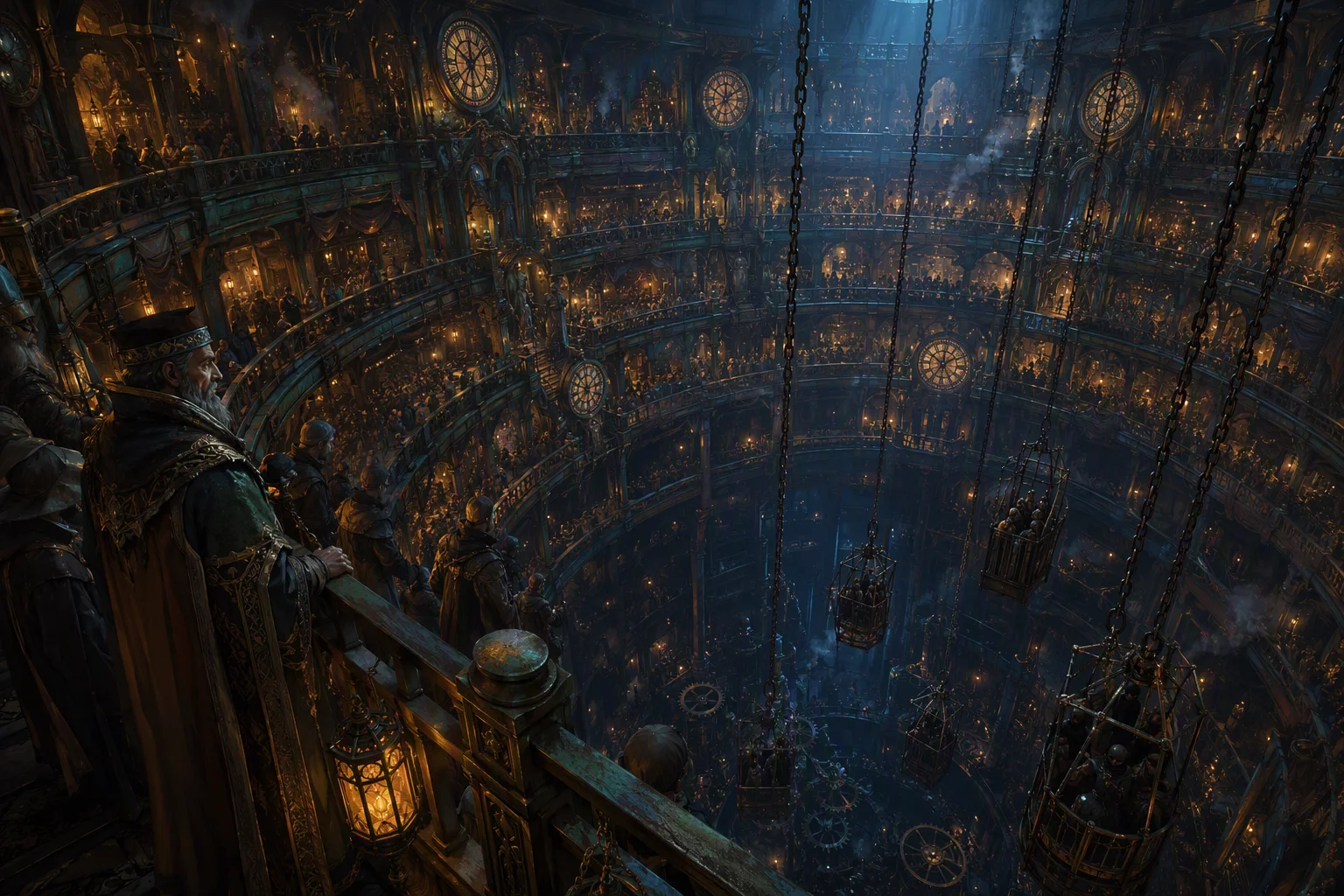
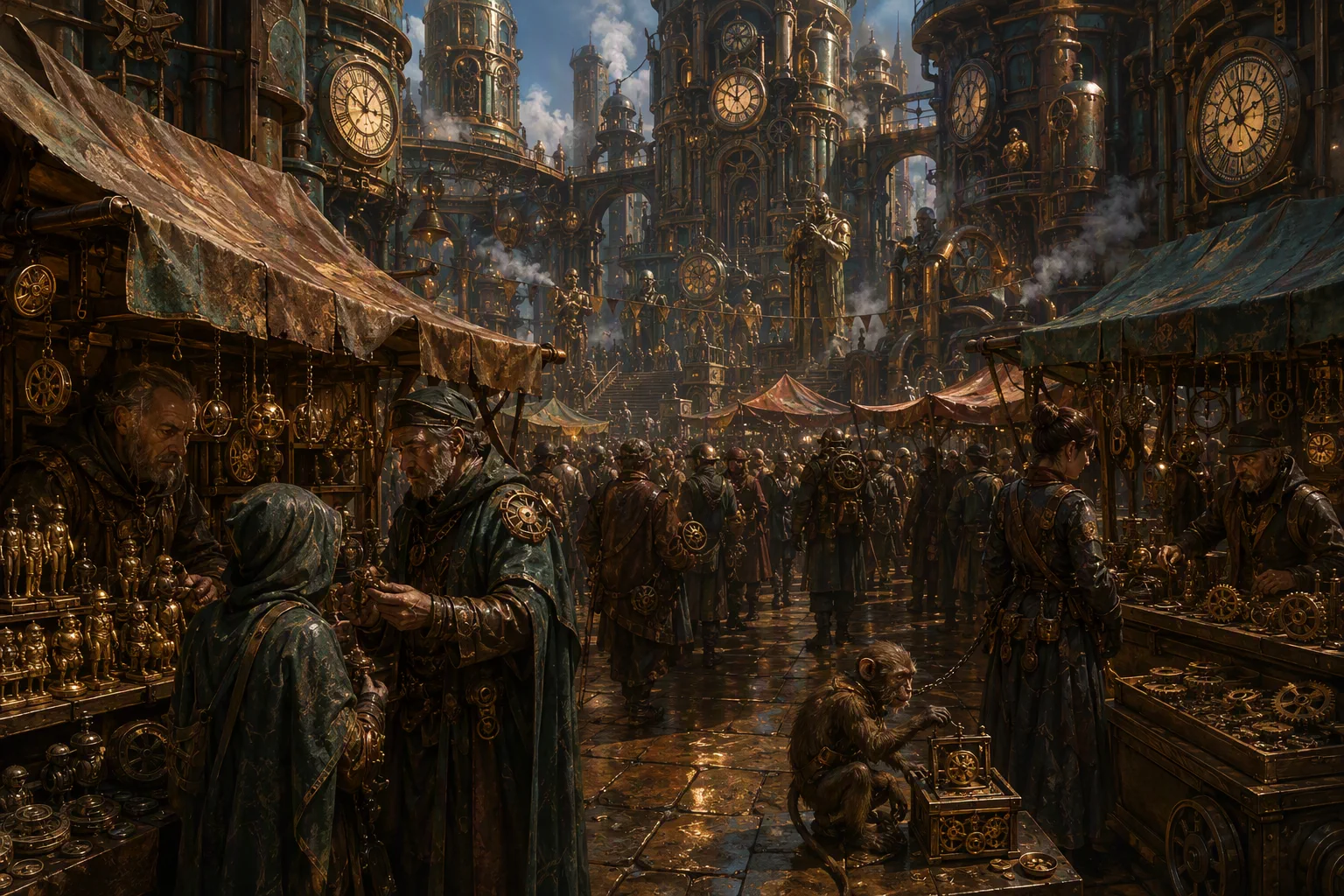
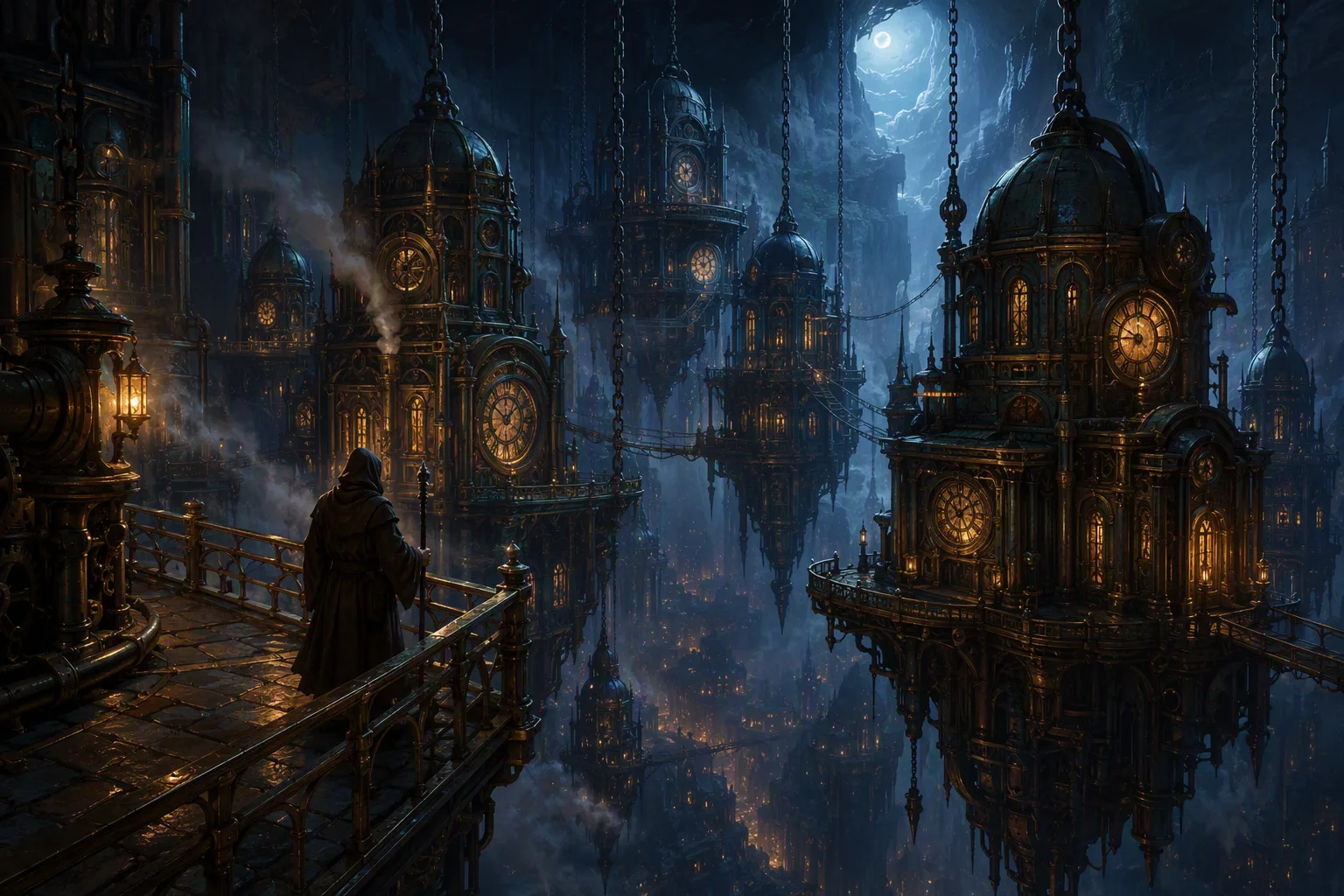
The Mouth is the great circular shaft at Ostrehal's heart, ringed by nine galleries of worshippers and hawkers, where pilgrims descend in counterweighted cages under the swaying chains of the Hanging Spires. Around it sit the Saint's Hem, where engineer-priests live in oil-stained white robes and confession booths have listening-tubes that hiss, and the Cog Market, where chained monkeys wind music boxes beside stalls selling gear teeth pried from the dungeon. You can spend whole nights up here and still be playing: city and mechanism are one problem seen from two ends.
Four people who will keep turning up
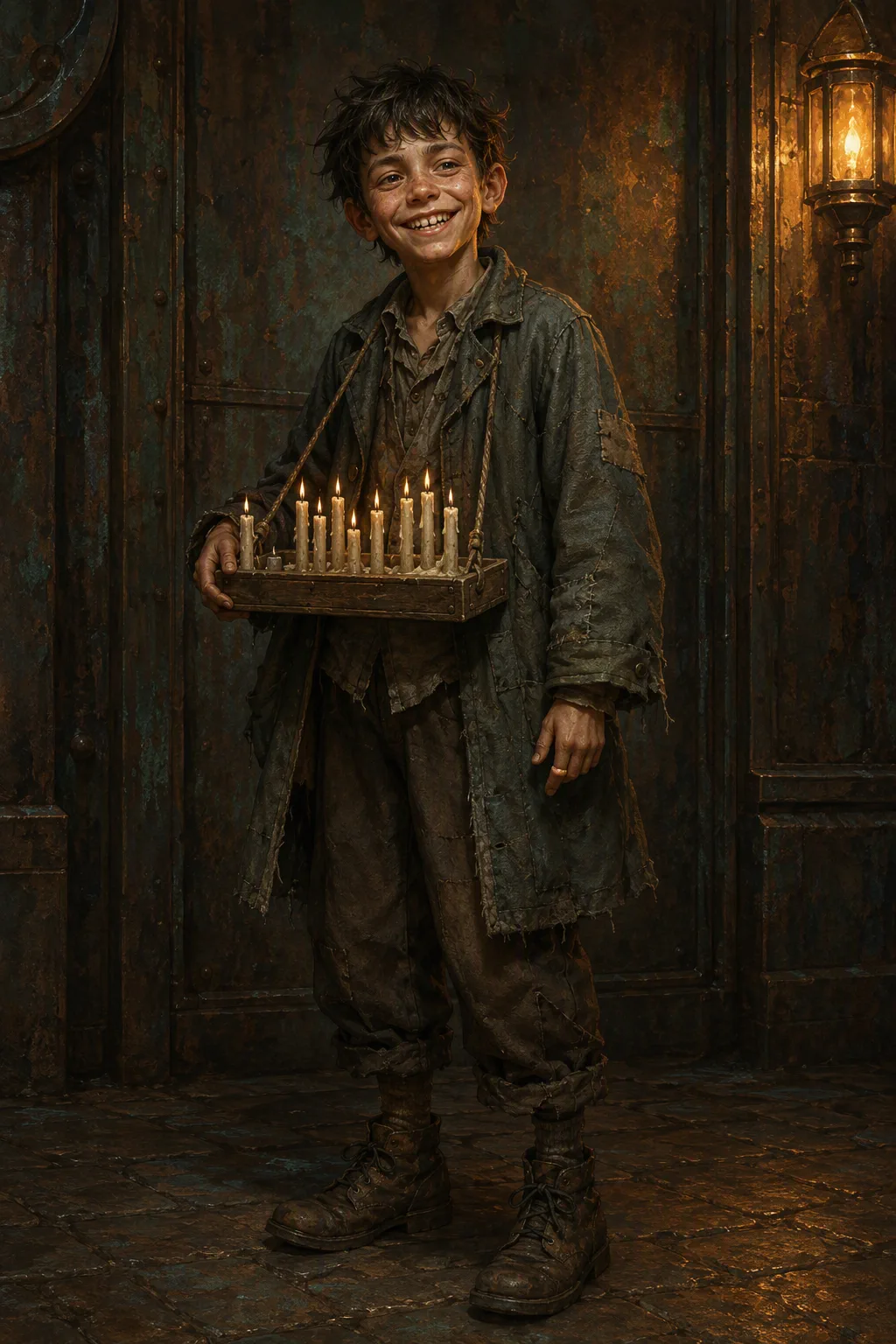
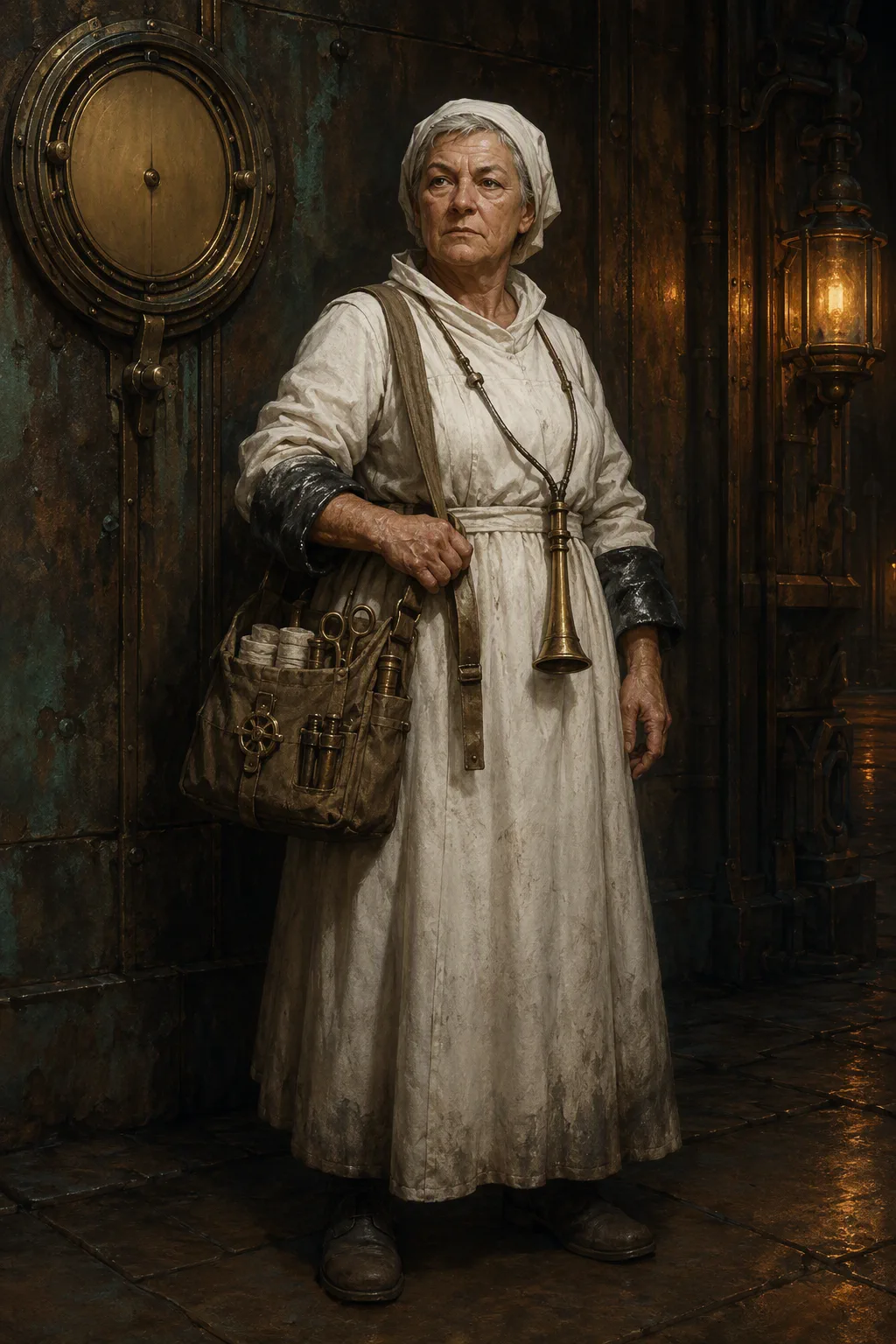
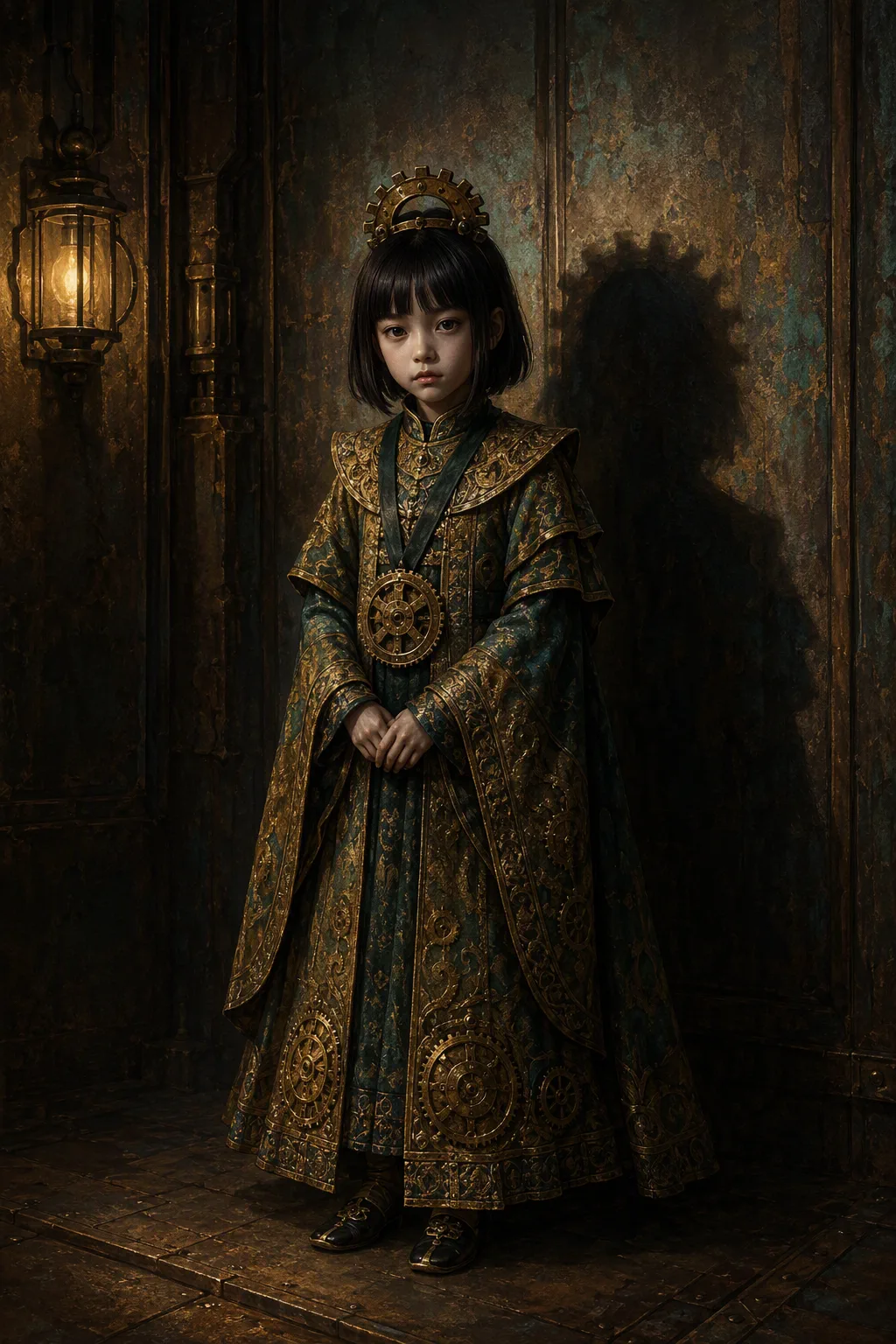
Brin Ossevay, a cheerful boy of about eleven missing two fingers, sells festival candles in the Mouth gallery and holds every rumour in Ostrehal. Sister Mauta patches pilgrims up for free at the almshouse, asks hard questions while she works, and has a personal grudge against High Escapement Tull. Karro the Winder, a drunk ex-Brass Candle surveyor, has a map to a room he calls the place where the clock apologized, and will not go back. And Ysme, this festival's crowned Little Cog, is a solemn girl with something wrong with her shadow.
Before you start
Is this a fighting dungeon, or a thinking one?
Mostly thinking. The pressure is atmospheric and social — rival parties, sealed doors, a Temple that removes people who cause instability — not a corridor of monsters. Menace simmers; wonder arrives in small tactile moments.
Do I have to save the city?
No. The ninth night is real and so are the stakes, but nothing forces you to answer for all of it. Chasing one disappearance, one room, or one person you decided to care about is a whole game here.
How much freedom do I actually have?
A lot. Ostrehal absorbs odd ideas: chase the disappearances, survey for the Guild, run errands for the strike, or just follow the sound of the machinery. Sessions are resumable, so you can leave mid-descent and come back.
If this is your kind of story
This one is for players who read exploration as the point rather than the delivery mechanism — who would rather map a place than clear it, and who like suspense that stays quiet. If it lands, there are more fantasy stories waiting, including the colder descent of Ossuary of the Frost Titans and the wider sweep of The Chronicles of Echoria: Key to the Eclipse. Start with Ostrehal, though. A festival above, a walk below, and somewhere in the dark a machine that keeps stepping toward a destination it cannot name.