
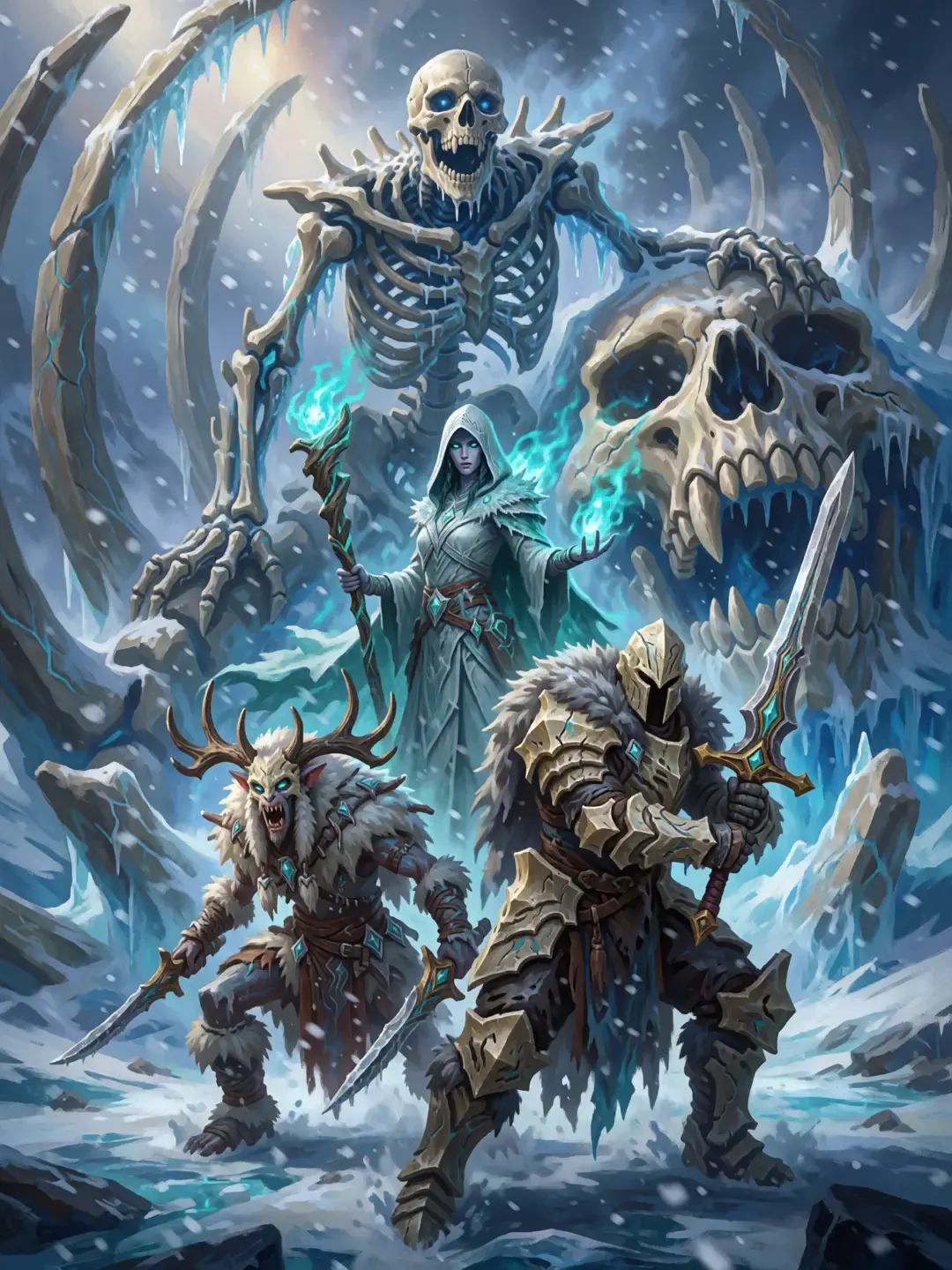
Ossuary of the Frost-Titans
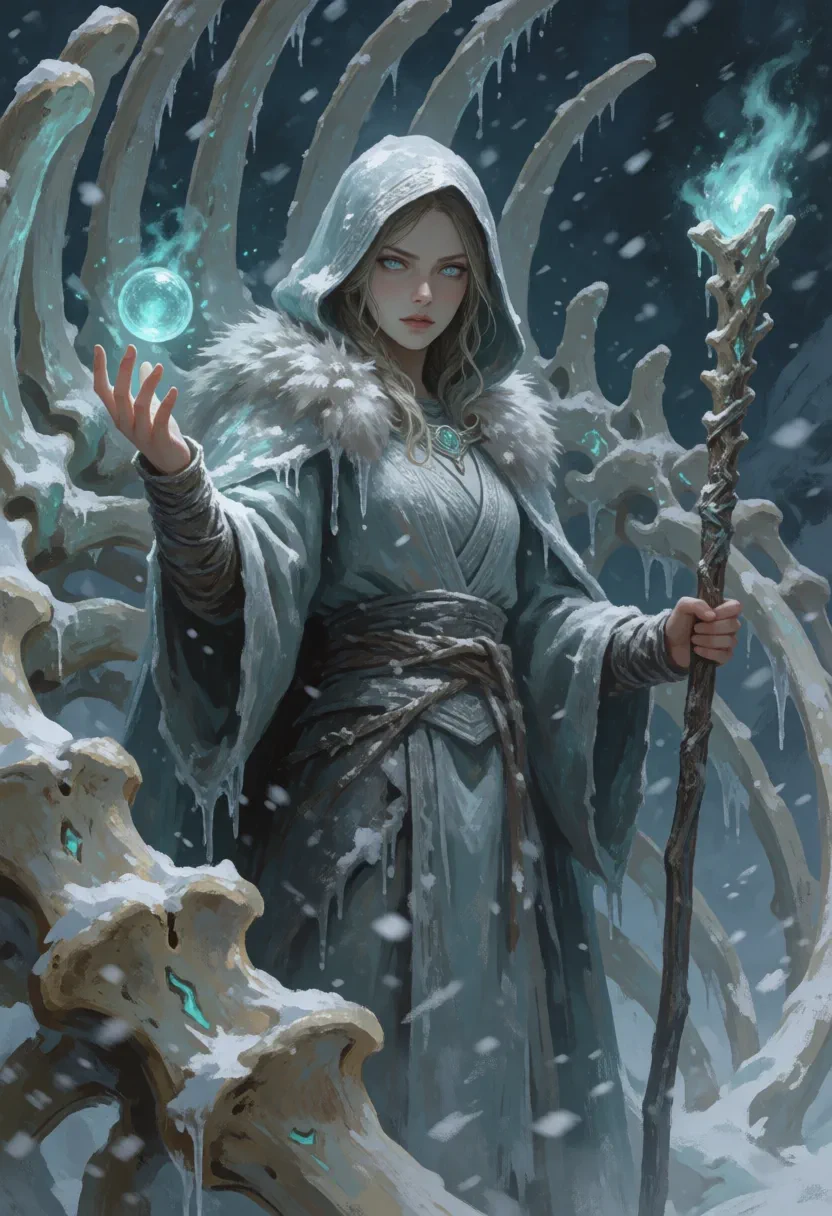
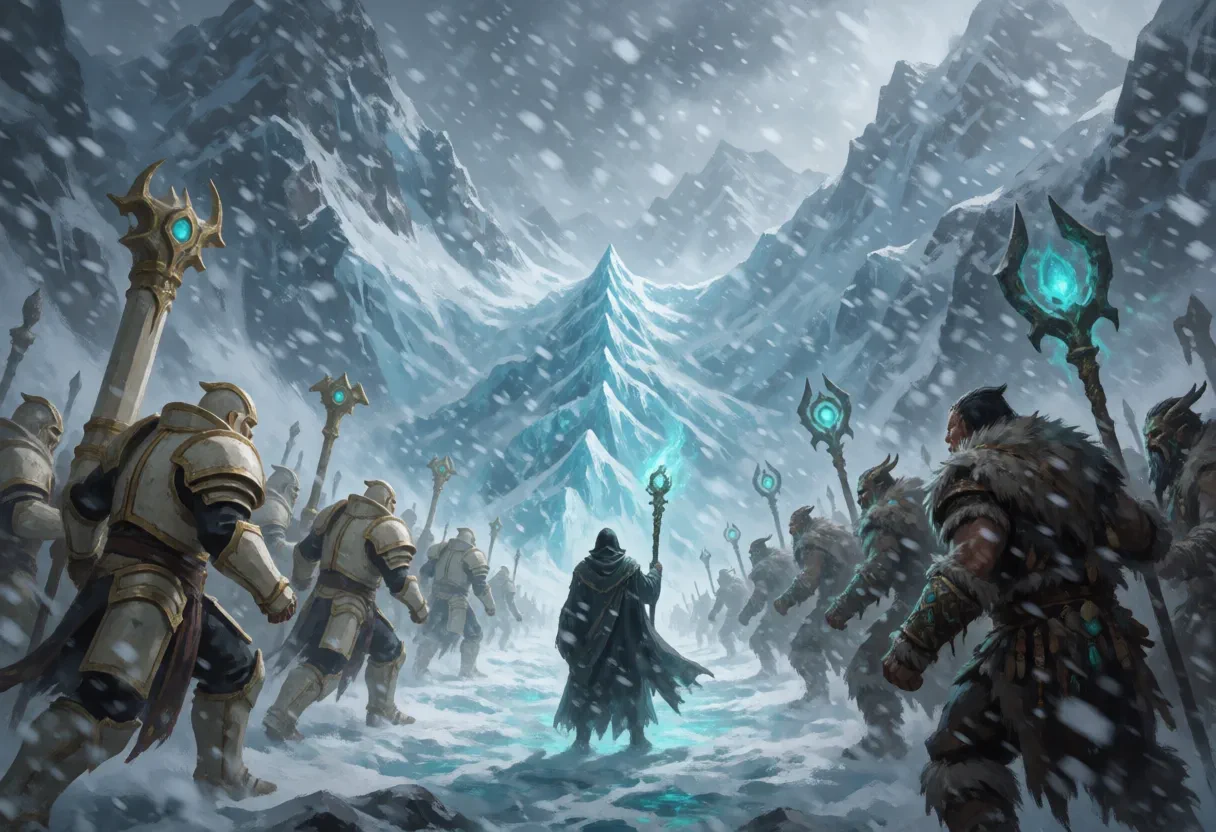
On a dying world beneath a failing sun, the last of the living burrow inside the frozen skeletons of dead gods, where marrow still glows with stolen warmth. You are Ossara, the Marrow-Witch who has learned to wake the titans. The bone-knights of the Vault want the giants to sleep forever; the feral Thaw-Clans want them to rise. Every cyan crack of marrow-light you coax to life pushes the world toward thaw, or toward ruin. Decide what the dead are allowed to become.


By starting, you agree to our Terms of Service, Privacy Policy and Refund Policy.
The dungeon is also the roof, the furnace, and the corpse
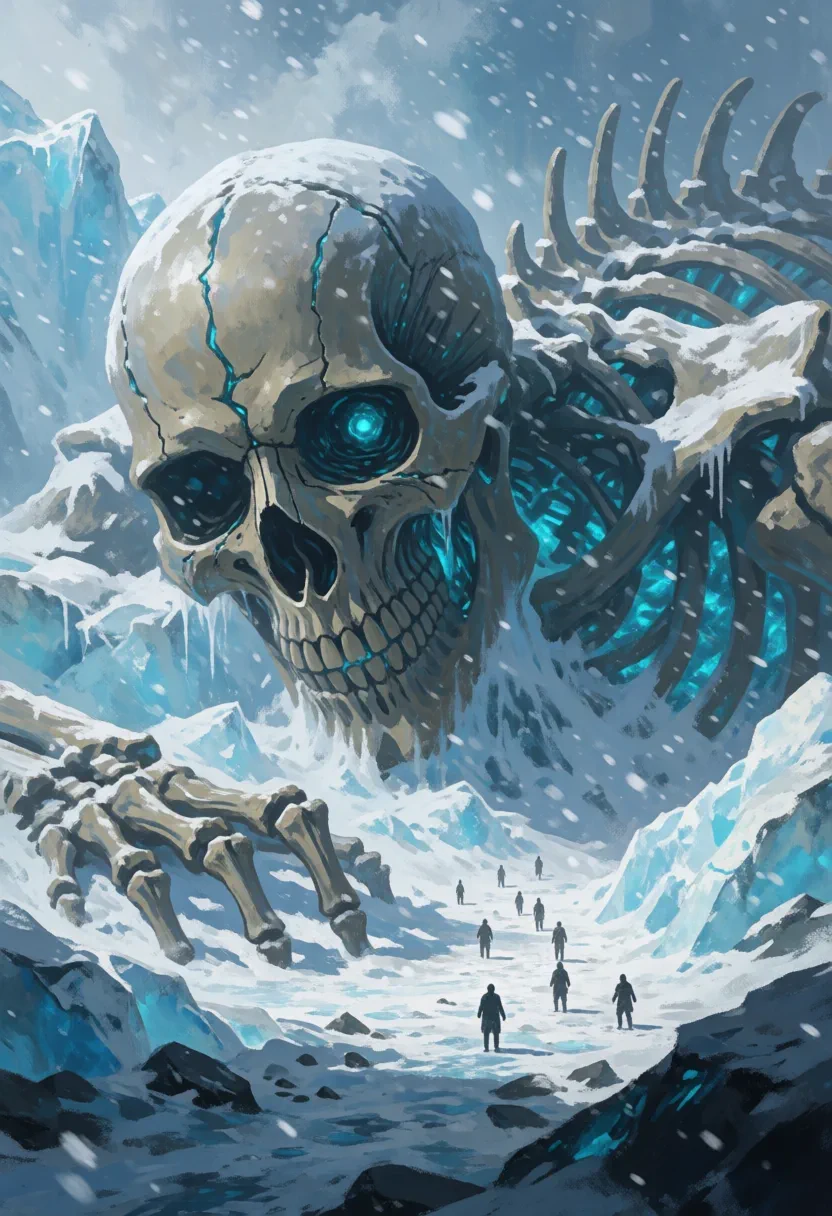
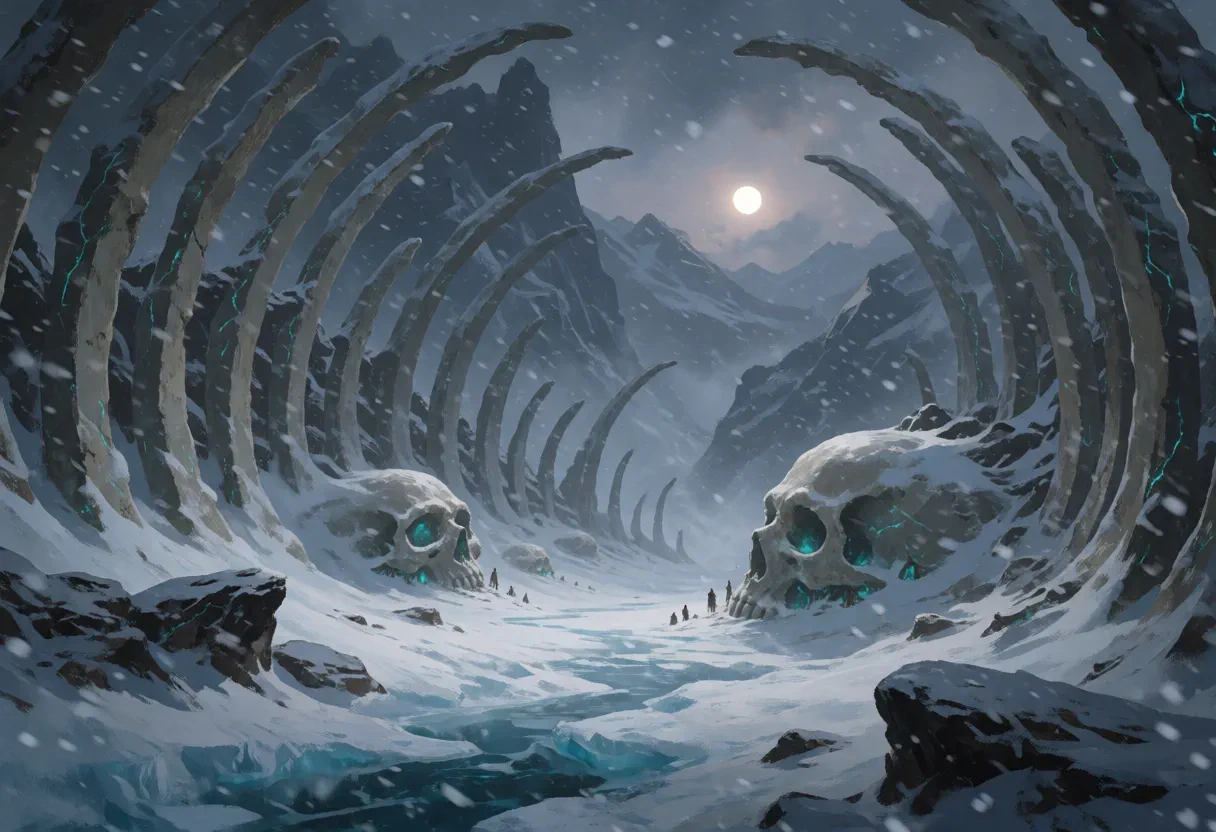
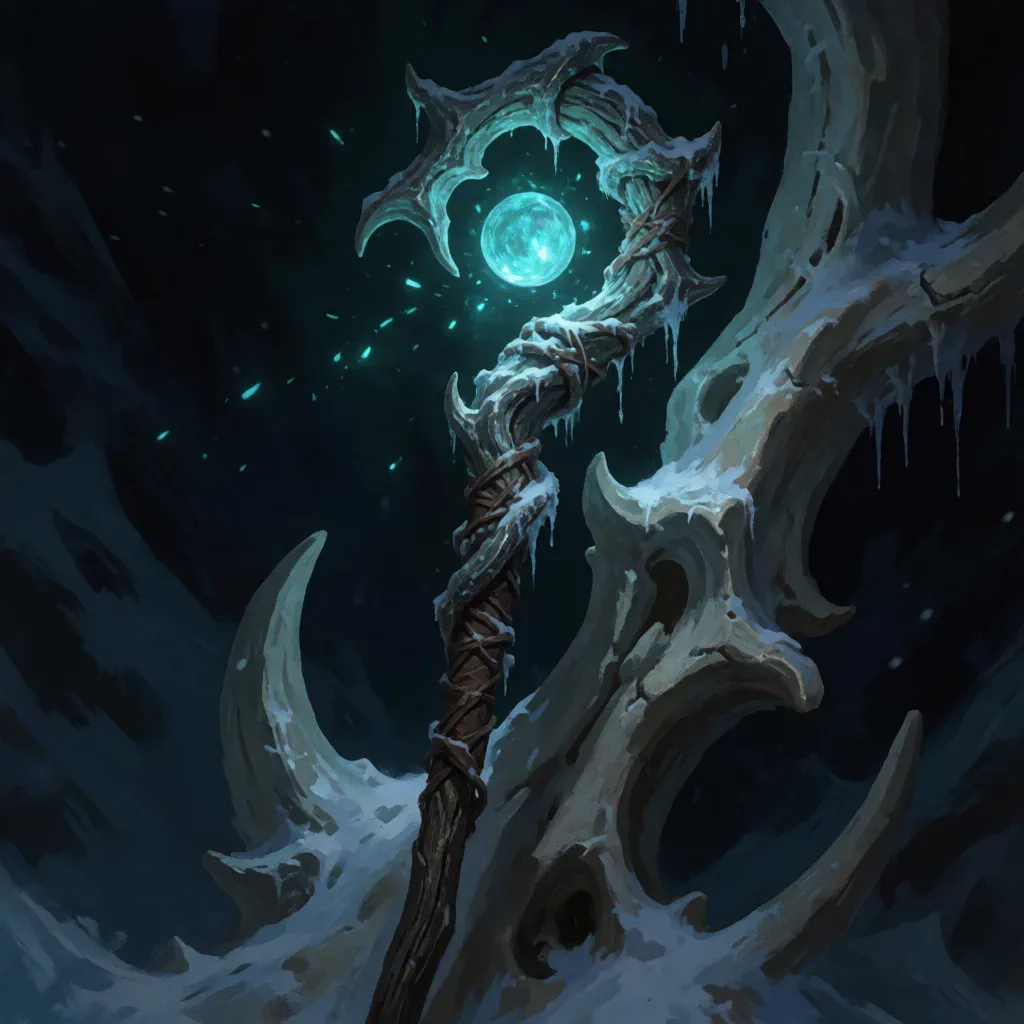
A dungeon crawl normally hands you somewhere you can afford to wreck, and a door back out into a world that carries on regardless. There is no outside here. The sun is failing, and the last of the living have burrowed into the frozen skeletons of gods, because titan-bone is the only ground a dying sun will still suffer to exist. The corridors are ribs. The cities are skulls. The glowing cyan marrow everyone burns for heat and light and power is finite, and every bone drained goes cold and stays cold. You are Ossara, the Marrow-Witch, exiled and feared, and you have just learned to do something worse than tap the dead. You can wake them.
A bone answered her, and before the scene ended both sides knew
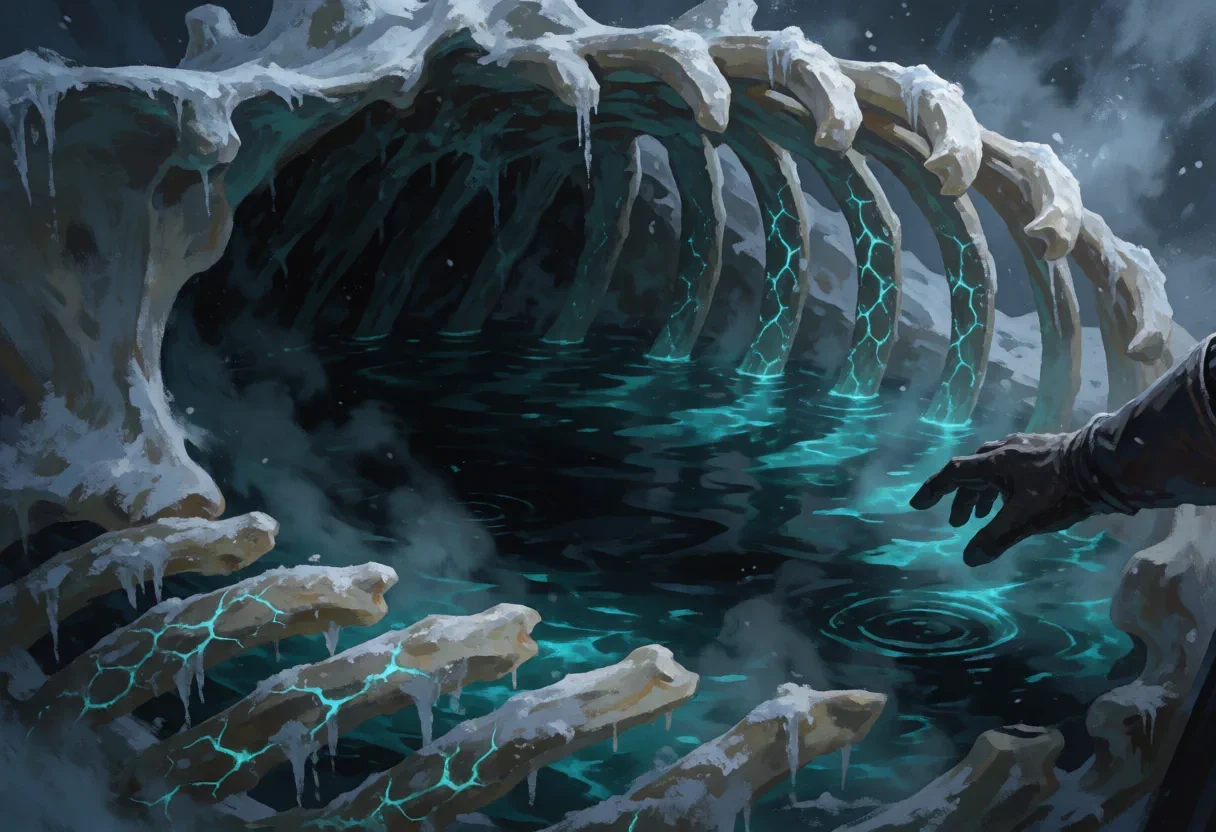
The story opens with Ossara alone in a marrow-spring deep inside a titan's ribcage, moments after she felt a dead bone answer. A tremor runs the length of the colossus. Cyan cracks bloom across a femur the size of a tower. That is the whole inciting incident: a corpse twitching in a world that had agreed corpses do not twitch.
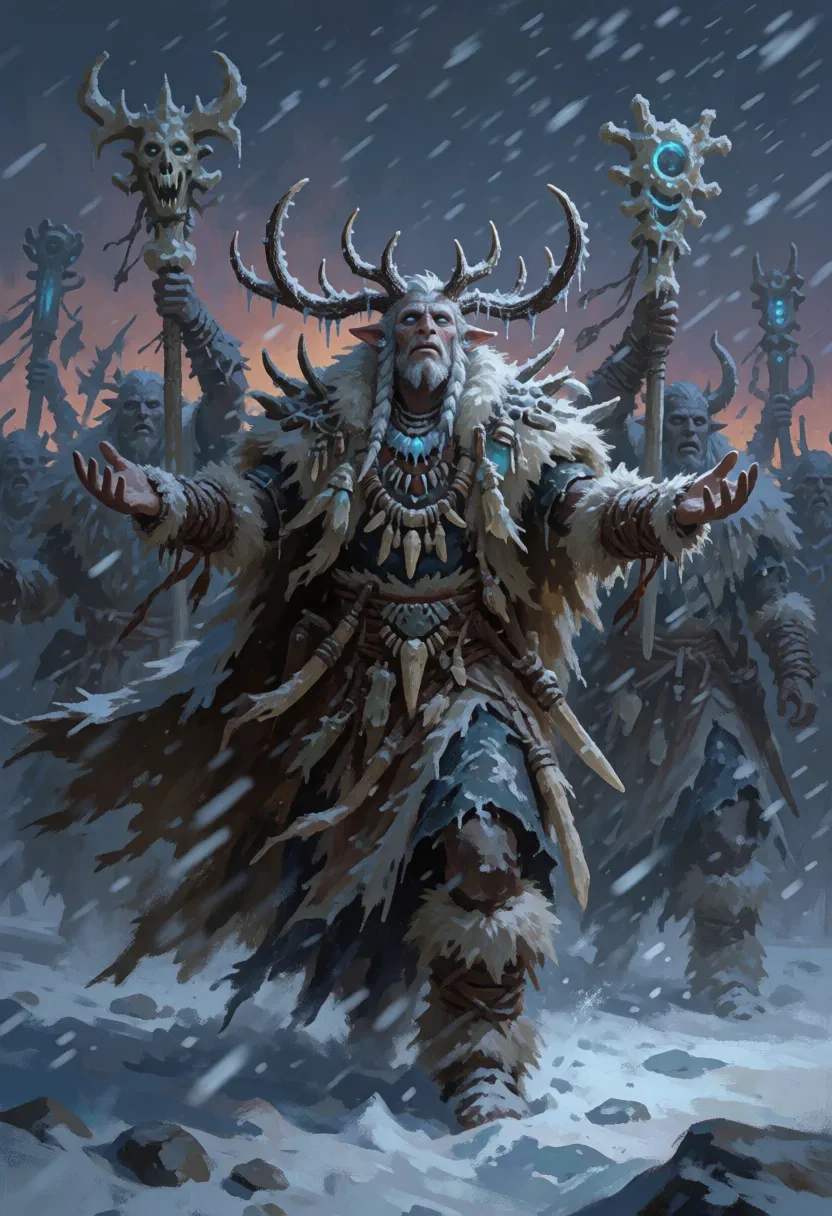
News of it travels before the dust settles. A Vault patrol under Korr Vaultborn starts down the Spine Road to silence her. The antlered Skinshifter of the Thaw-Clans comes to claim her as a prophet. Your first real decision is which of them you meet first, and it is not tactical. Both are arriving to tell Ossara what she is now, and whoever you face first makes the opening argument.
Nobody in this argument is wrong, which is exactly the problem
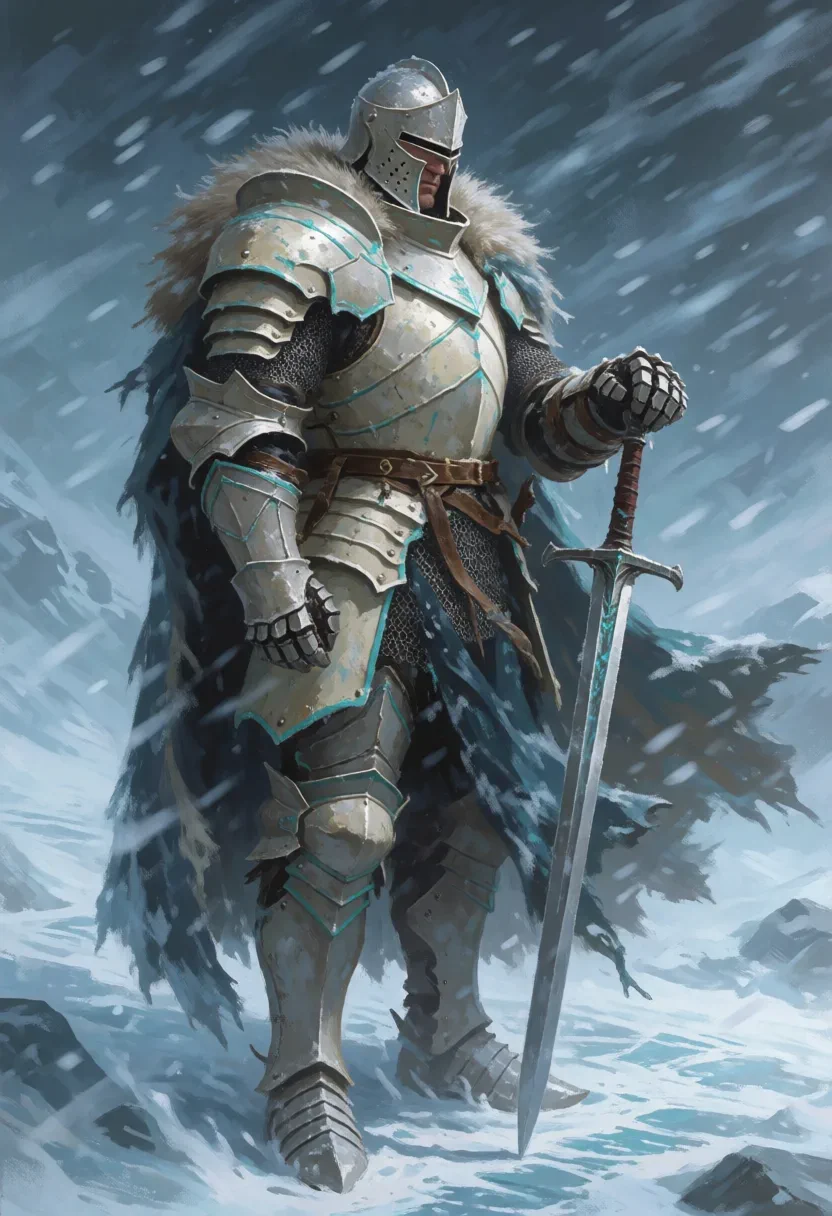
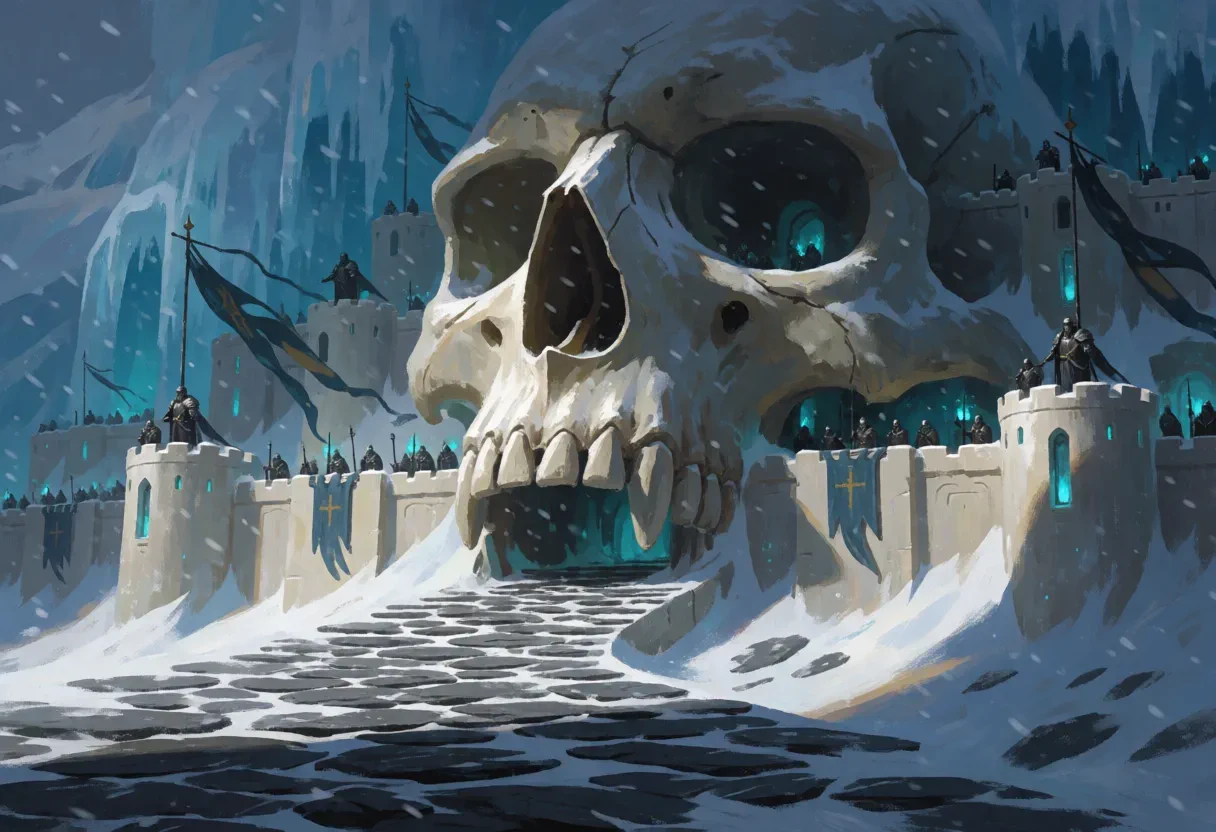
The Vault is a fortress-city sealed inside an intact titan skull, and its ivory-plated bone-knights exist for one purpose: to keep the giants asleep. Their case is arithmetic, not superstition — wake a titan and you gain a god's warmth, but risk an unstoppable thaw that cracks the ossuary sheltering everyone alive. They speak in clipped, oath-bound formality, and they have a tribunal ready to demand Ossara's surrender.
The Thaw-Clans want the opposite with equal conviction. They roam the Thaw-Marches — wind-scoured rib-fields and marrow-springs — harvesting what the Vault would rather leave sealed, and they speak in rhythmic, mythic bone-and-thaw kennings. They venerate the waking, and they will ask Ossara to prove it at a rite, waking a bone in front of a crowd.
Everyone else is caught between: marrow-tappers who fear her and need her in the same breath, and refugees arriving from shelters already gone cold and dark — the argument's real cost, walking.
What actually changes when you play
The loop is explore, channel, choose, live with it. You work into a bone-shelter or a marrow-spring, channel marrow to solve a problem — heat, light, healing, waking — and channelling always costs. The trade is never abstract: drain a bone to save a shelter tonight and it is dead forever, or preserve it and let people freeze in it. Recklessness has consequences with names attached. Allies die of cold. Shelters collapse. The Revenant Titan stirs before anyone understands what it is.
Two things are tracked: your standing with the Vault and with the Clans, separately, so siding with either is a running account rather than a menu pick; and a rising thaw pressure, which is not a score to beat but a force that reshapes which paths stay open. The world visibly brightens as you play, more cyan bleeding through the grey, and that brightness is the instability. Every beautiful glow here is also a wound being opened.
You are not picking from a list. You write what Ossara does, and the narrator reads that against this world's established rules rather than improvising a fresh setting each turn — which is why a spring you emptied early is still dark hours later, and why a faction you humiliated remembers it. One thing it refuses on purpose: it will not settle the central question for you. Nothing nudges you toward an answer on whether the titans should sleep or rise.
You travel by walking through the inside of the dead
The Spine Road is a caravan route along frozen vertebrae, linking shelter to shelter, claimed by both sides and held by neither — where a parley with Korr can become a duel between one sentence and the next. The palette barely varies: glacial white, frozen blue, slate grey, bone ivory, and the one exception of marrow-light in turquoise and pale cyan, pulsing through weathered bone like a slow heartbeat. Wind keens through hollow ribs. Skeletons groan as they settle. Under it runs the faint hum of marrow, and curiosity about the bones — whose they were, how they died — is rewarded rather than tolerated.
Two who want her, and one that has not decided she exists
Korr Vaultborn is ivory-plated, dutiful, grief-hardened, and never written as a caricature. He is right about the risk. He is also on the side that would rather a bone stay sealed than be spent on a shelter tonight, and he knows what that costs. He can be fought, argued down the Spine Road, or turned into an ally.
The Skinshifter is antlered, charismatic, feral — a shaman-warlord whose zeal is genuinely seductive, the only voice offering Ossara a future in which her power is a gift rather than a crime. That is precisely what makes them dangerous. They want the titans up whatever the cost, and their raids escalate.
The Revenant Titan is less a character than a rising pressure: half-dreaming, vast, neither ally nor enemy in the war fought over its body, and unknowable in what it wants. It speaks almost never, and when it does the voice is slow and geological. Its tremors grow until the ground — which is to say, the dead god everyone lives inside — begins to move.
Before you start
Is this a fighting dungeon or a thinking one?
Thinking, mostly, with violence that lands hard when it comes and is never spectacle. The pressure comes from a resource you cannot replace, two factions with legitimate cases, and a god waking under the floor. Combat is consequential rather than a corridor of encounters to clear.
Can I get it wrong?
Yes, in specific ways rather than a game-over screen. Channel recklessly and allies freeze, shelters come down, and the titan stirs before you have any idea what it is. Refuse to channel at all and people still die, only differently. Both restraint and appetite have a body count here.
How much of my life does this want?
It is a medium-length story, and sessions are resumable, so you can leave mid-descent and come back. It builds toward a choice about the titan's fate, but you do not have to reach it to have had a story. Chasing one shelter's survival, one argument with Korr, or one buried question about whose skeleton you are standing in is a complete game.
If this is your kind of story
This sits on the shelf where survival is arithmetic rather than atmosphere — where the heat is counted and somebody always loses their share. It reaches for the epic register without mistaking scale for stakes, and if that lands there are more fantasy stories nearby: the warmer, stranger descent of The Clockwork Pilgrim, or the drowned moral arithmetic of Miasmorrow, where you also decide who gets another dawn. Start in the ribcage, though. One woman, one answering bone, and a cyan light spreading through the dark that is either the world's last warmth or the crack that finishes it.
