
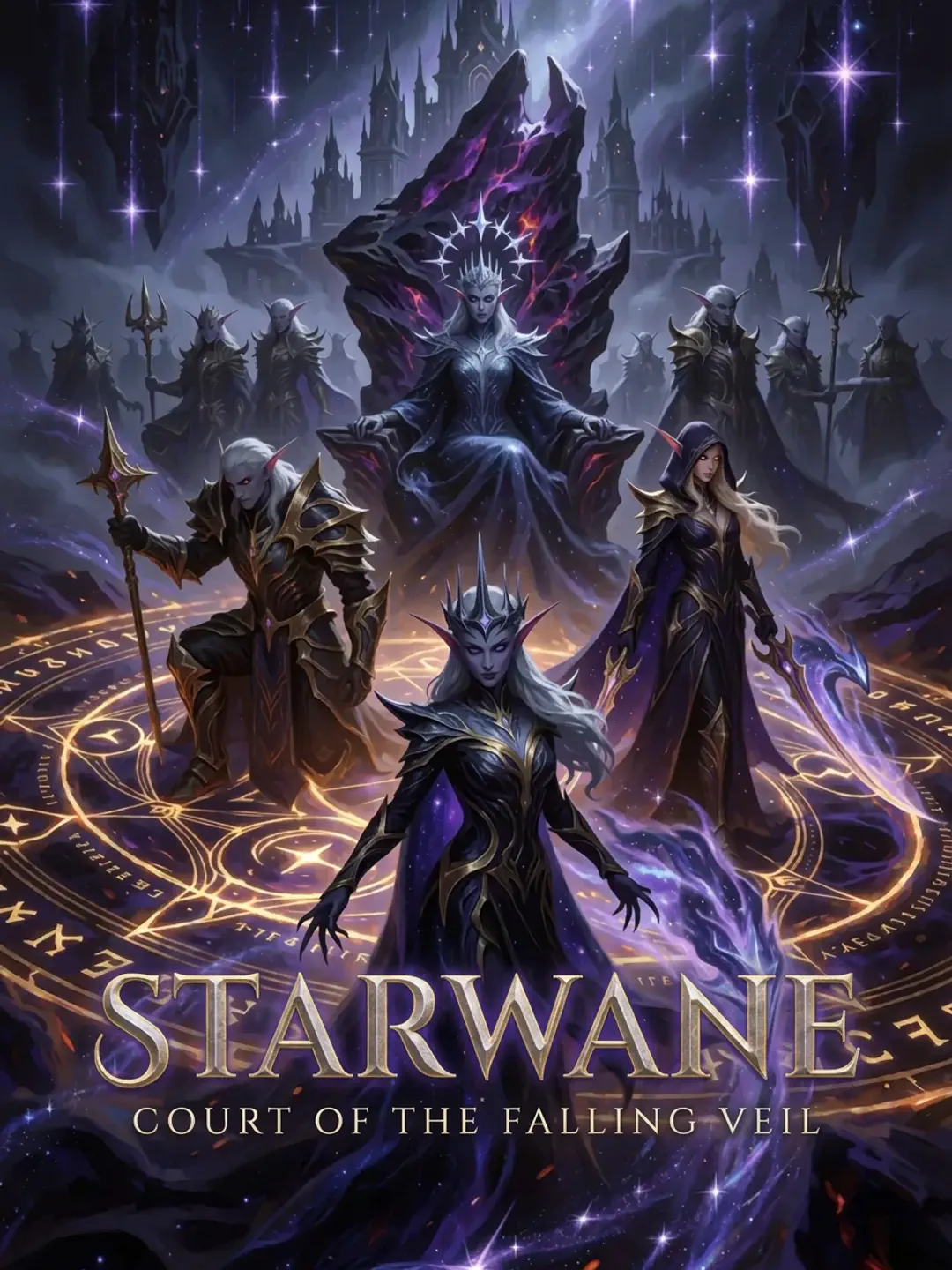
Starwane: Court of the Falling Veil
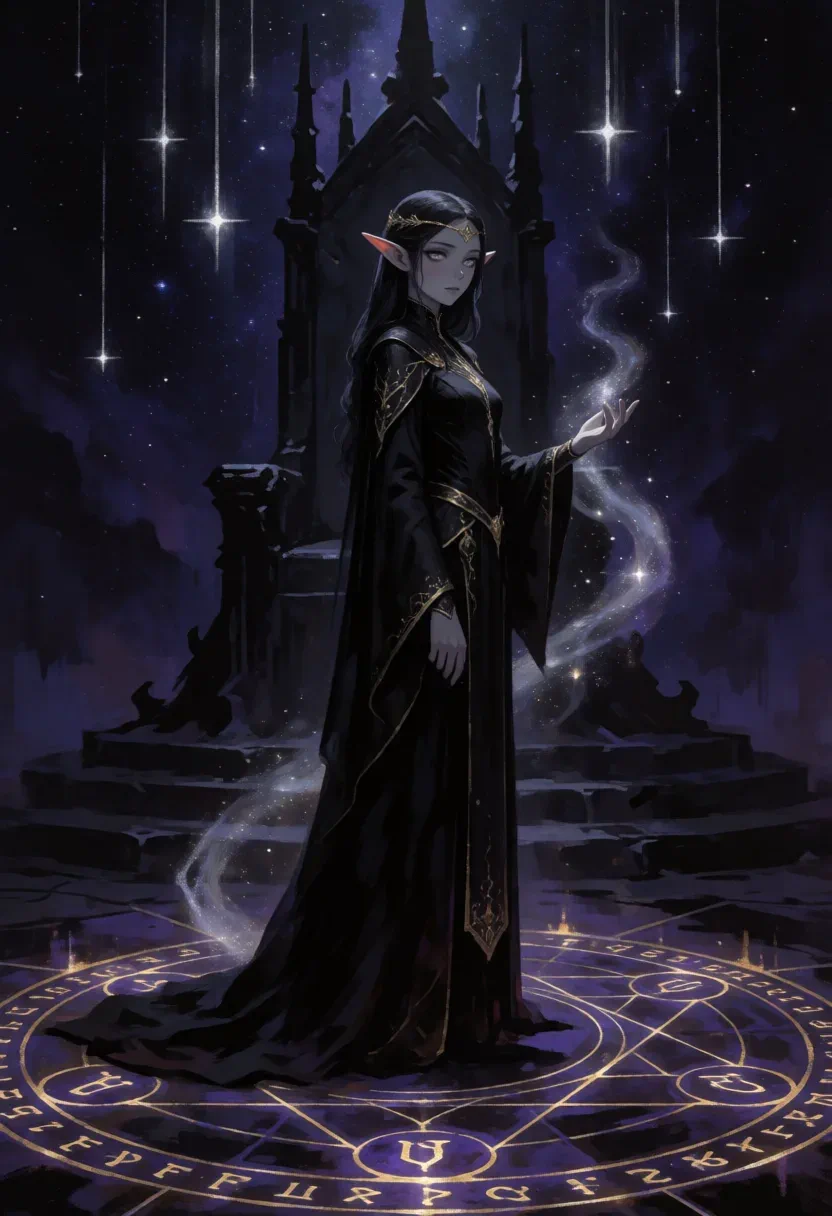
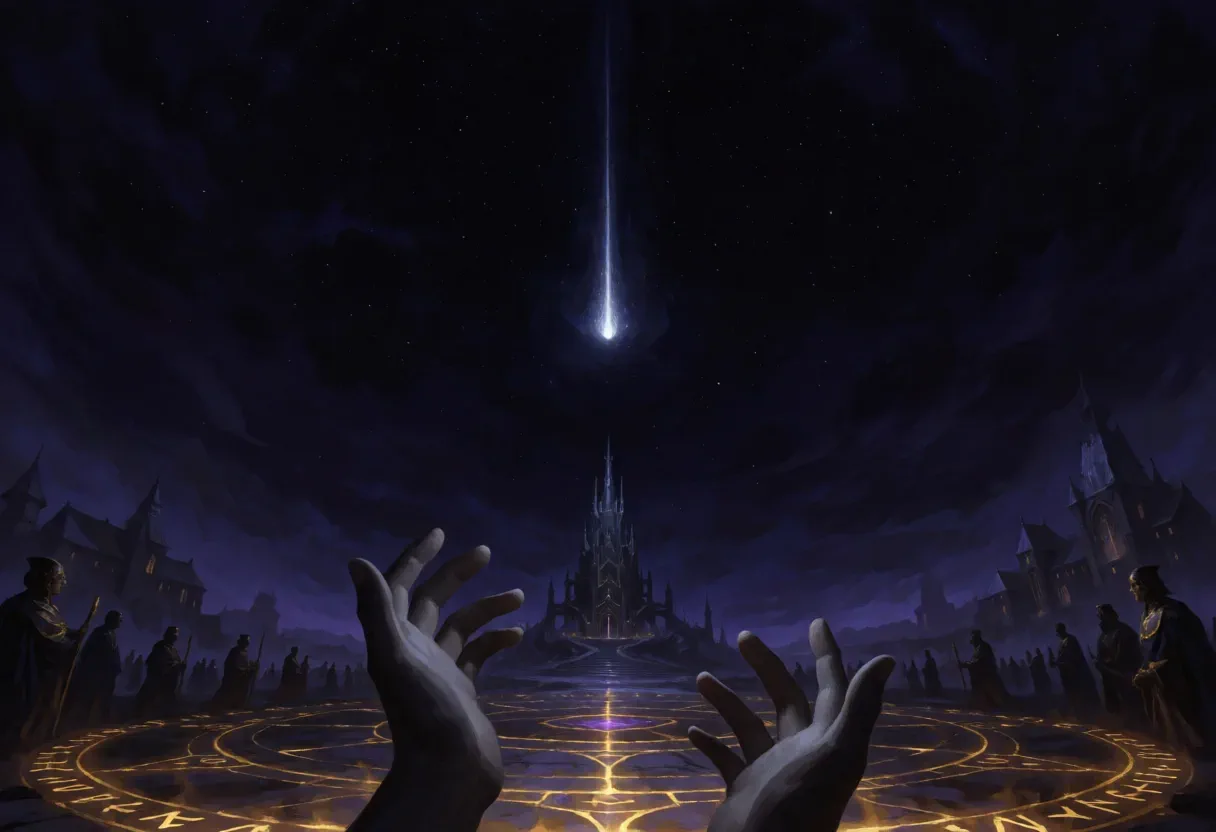
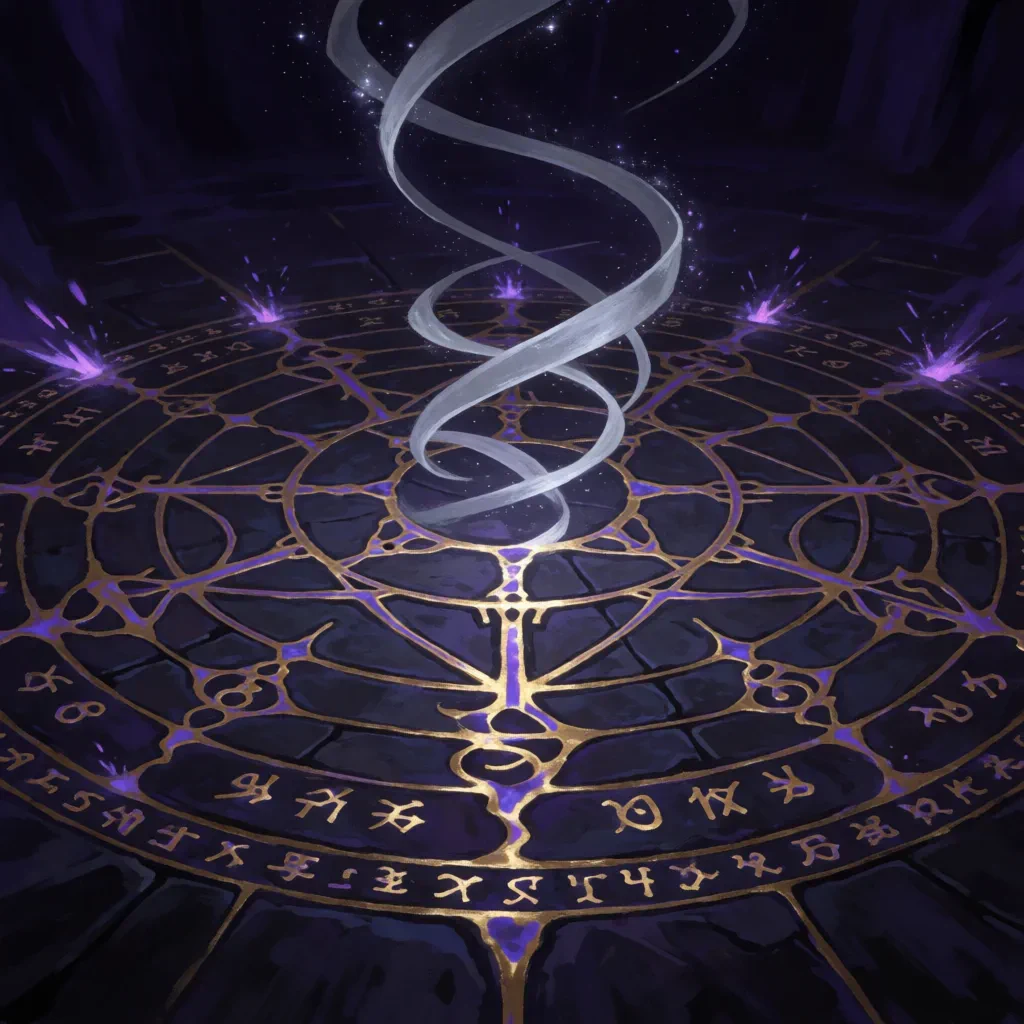
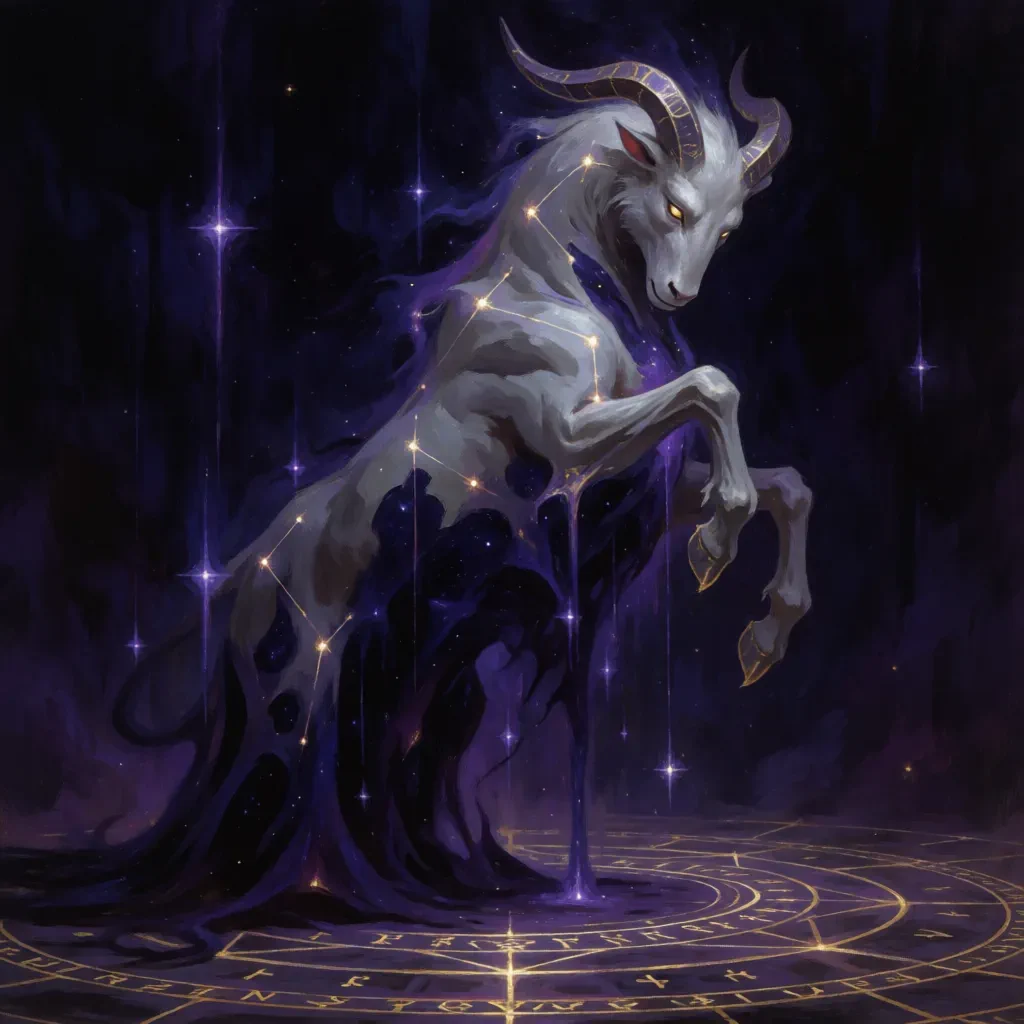
Rule a court of dark elves harvesting power from a dying sky. As Empress Obsidienne's chosen summoner, you conjure star-beasts from molten-gold circles, navigate the treacheries of the Shattered Conclave, and decide who claims the last falling stars before the heavens go dark. Every fragment of light is a fragment of dominion — and every ally a future blade.


By starting, you agree to our Terms of Service, Privacy Policy and Refund Policy.
Court intrigue usually assumes the throne will still be worth something
Palace stories play for a prize that holds its value — the crown, the marriage, the succession. Starwane plays for one with a visible expiry date. The great star Veyl shattered above the void-realm, and its fragments have been falling ever since, each a shard of dominion, each caught in a molten-gold summoning circle by a dark-elf house. The harvest is nearly over. When the last star burns out, magic ends, and whoever holds the most fragments rules a powerless eternity.
Everyone at this court can do that arithmetic. They scheme anyway, in measured courtly sentences, over a shrinking number of nights. The gap between the elegance of the manoeuvring and what waits at the end of it is the story.
One circle, one falling star, and a sky that only empties
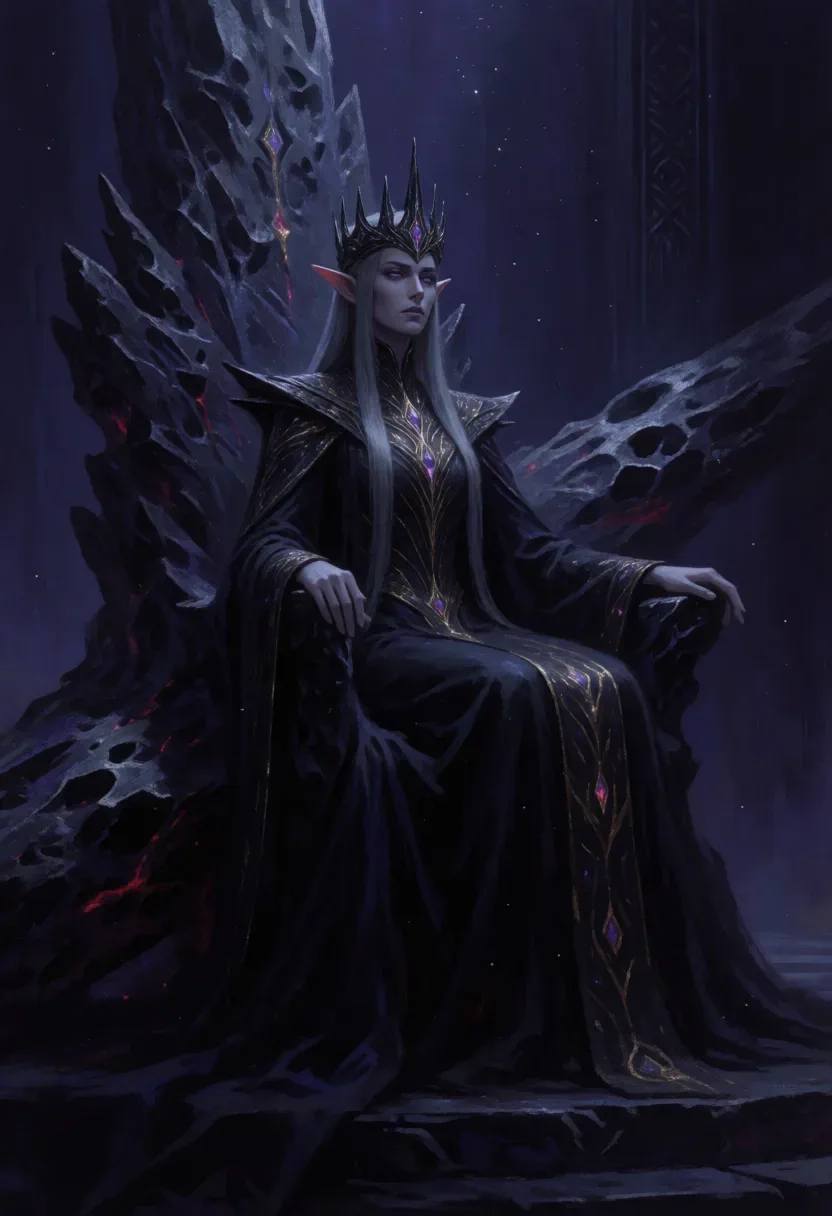
You are a newly raised summoner, called before Empress Obsidienne on a throne carved from the first fallen meteor. She grants you a single summoning circle and a charge: the largest fragment in a generation descends tonight, and it must be hers before the Shattered Conclave takes it.
The first decision arrives before the light lands. Race the fragment openly in the Empress's name, or bargain with a rival house while the sky is still busy. Every faction is courting you from that first night, and neither road is free.
After that the story runs as a cycle. A star falls and is announced. You choose whom to serve, or betray, in the race for it. You inscribe a circle, call a star-beast, and pay what that costs. A conjuration or a confrontation in open court decides who claims the fragment. Then loyalties shift, the sky dims by one, and the count never goes back up. Late in a run there are fewer stars and more claimants for each.
Three people want your loyalty, and none of them is wrong
Empress Obsidienne is magnificent and paranoid, a fading monarch ruling a court she knows is fracturing. She speaks in imperial cadence and tests loyalty with demands that cannot reasonably be met. She is not a tyrant to topple for sport but a sovereign terrified of the dark, and the story keeps insisting you notice it.
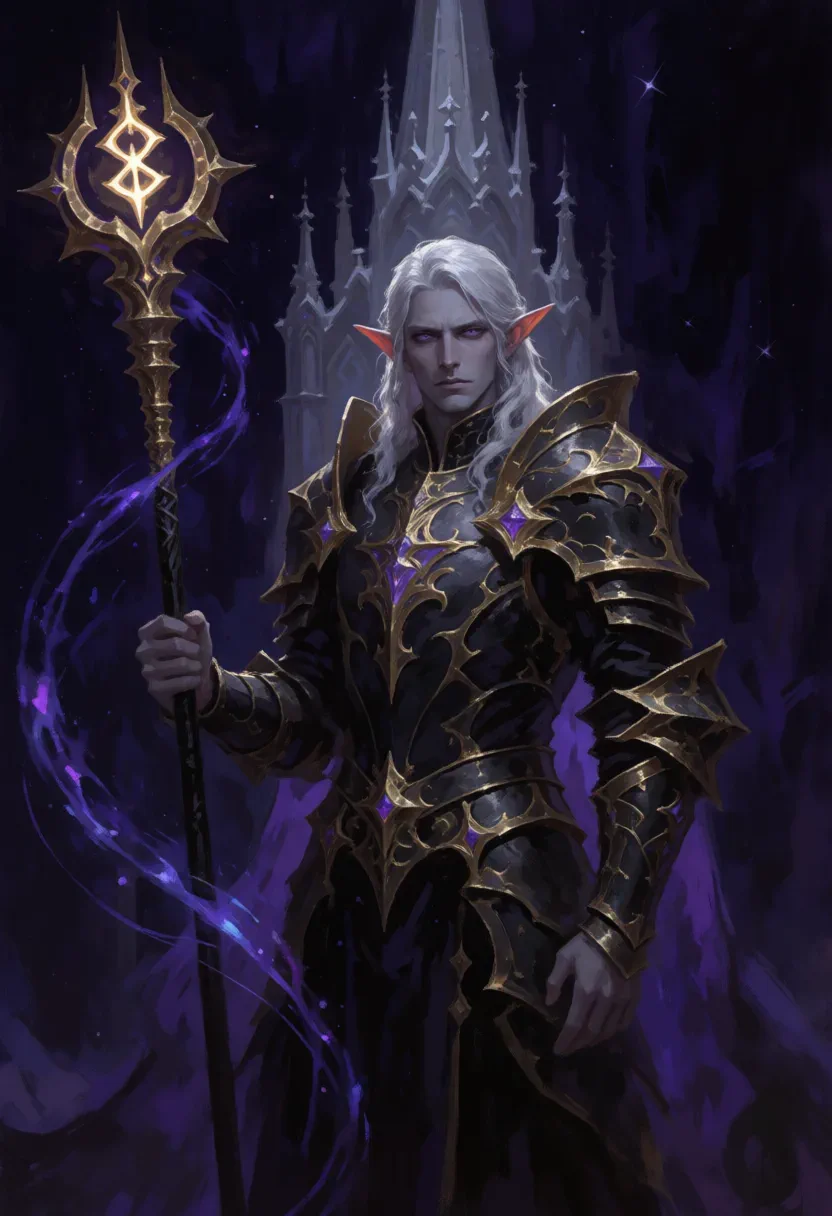
Kaelth the Emberwright is the Court's master summoner, assigned as your mentor and installed from the first night as your rival. Proud, brilliant, weary of the war; he instructs you and he confides in you. He is written as your mirror, and where he ends up — closest ally or worst enemy — is the residue of how you treated him.
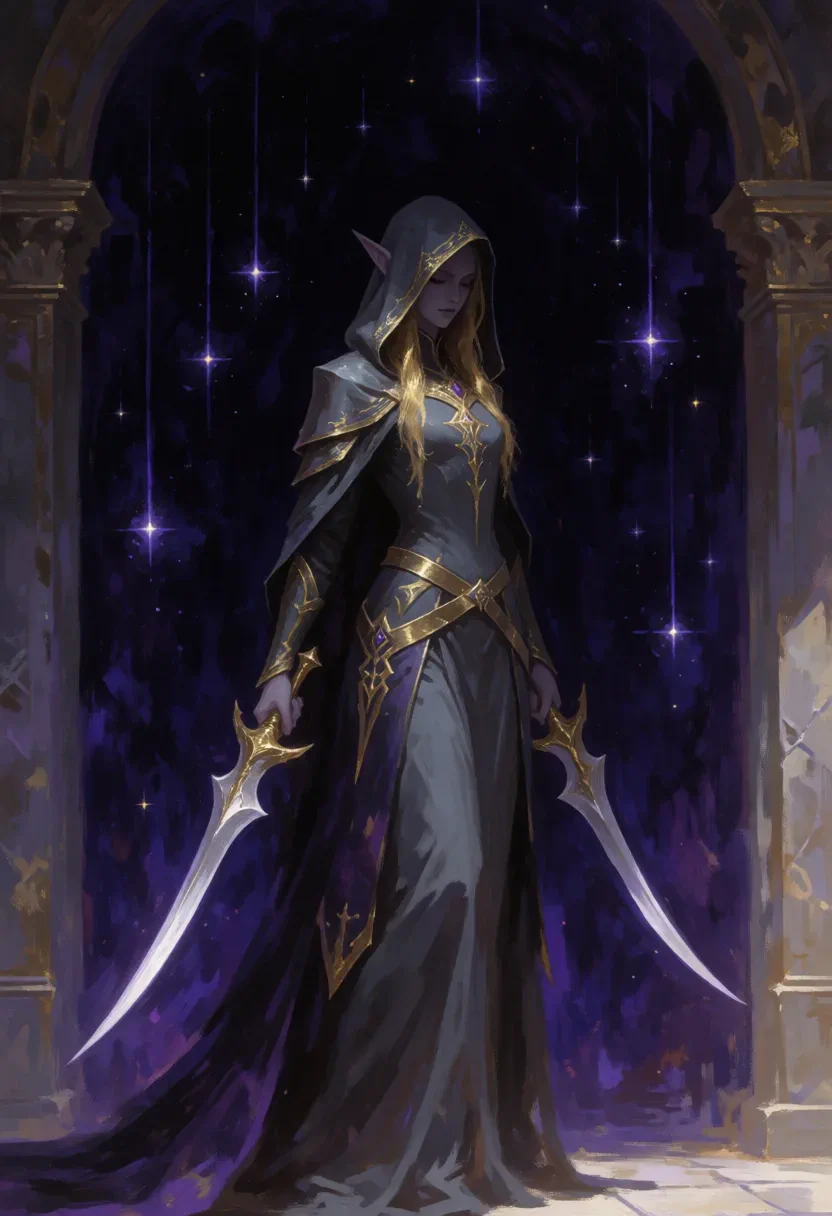
Vessa Nightloom watches from the shadows of the Cometward shrine with comet-light daggers at her hip. She is the rogue-priestess of the falling stars, and her heresy is simple: the stars should be permitted to die rather than hoarded. She is magnetic about it, and the only person offering a way out of the harvesting order — which is not the same as a good option.
The Conclave will outbid you before it thinks about stabbing you
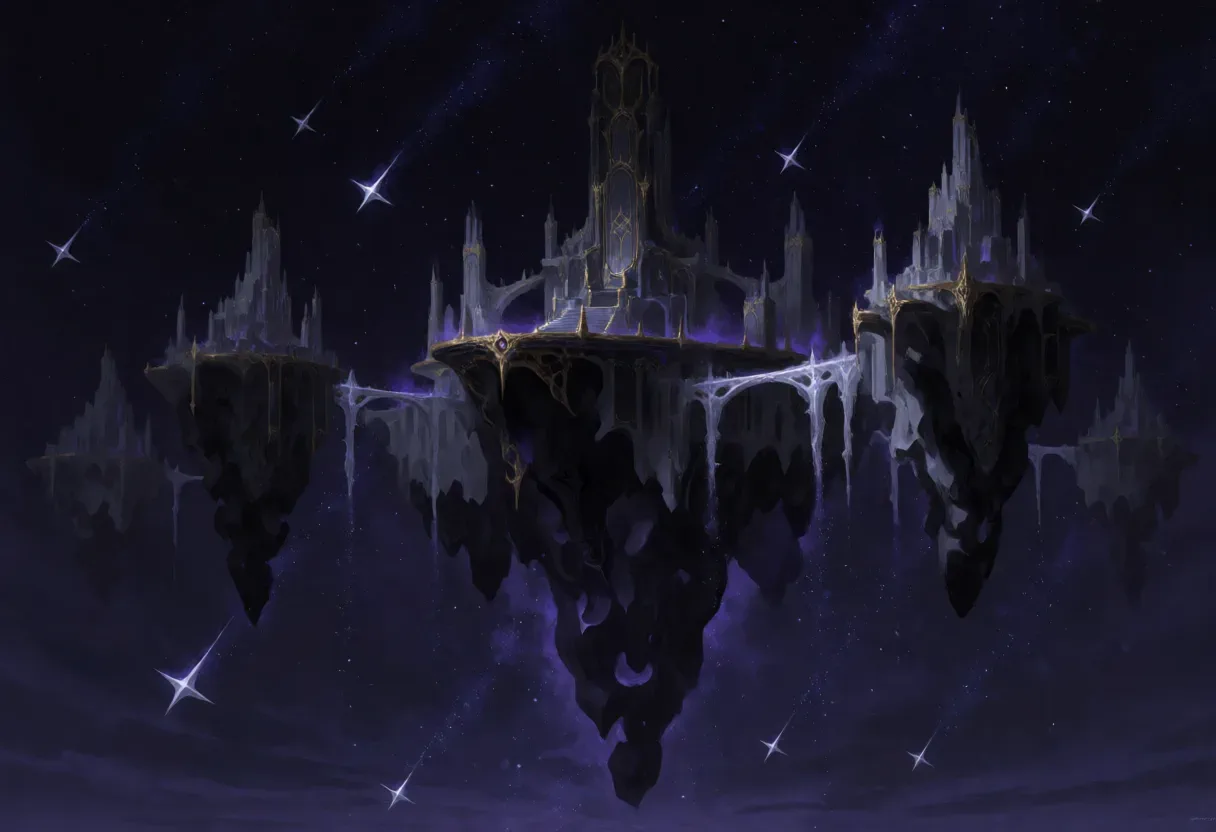
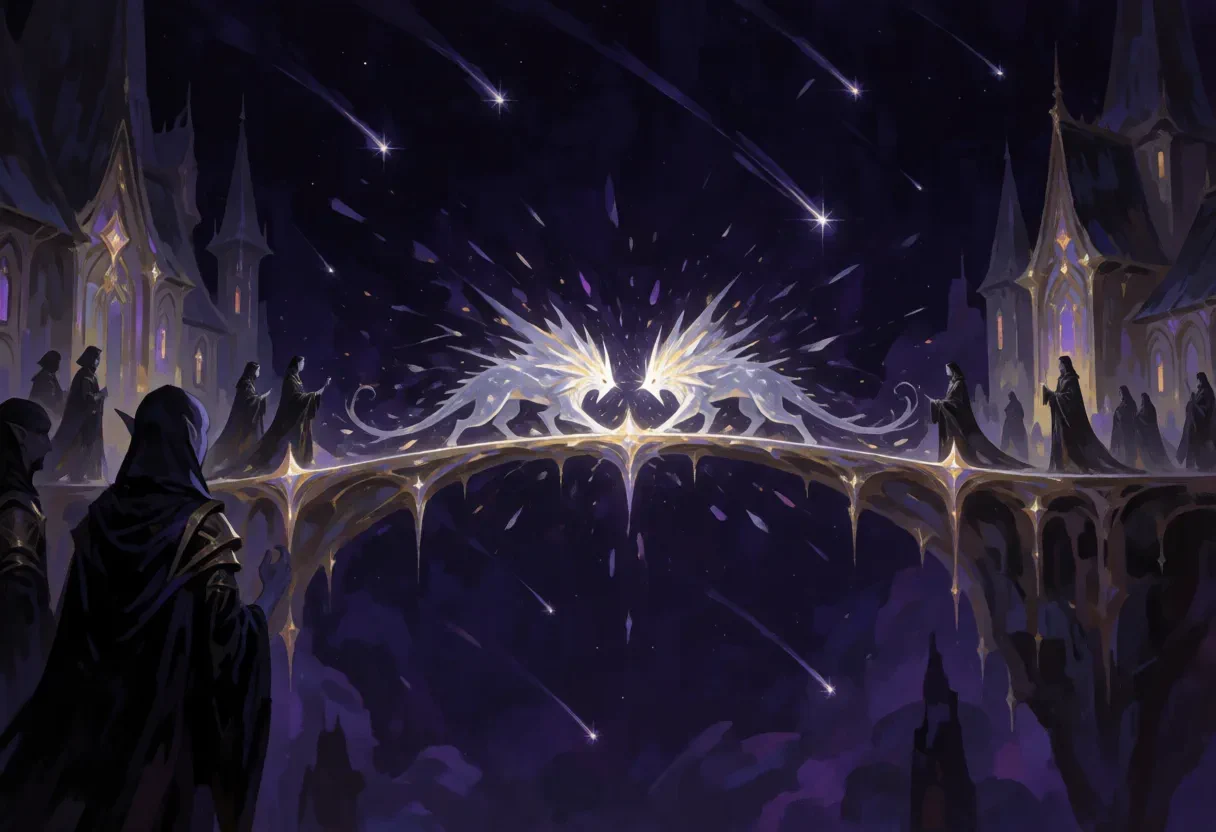
The rival houses are drifting manses tethered to the central throne-spire by bridges of crystallized light. Together they are the Shattered Conclave, and they convene councils to bid against one another for fragments that have not finished falling. Some house-lords are ambitious, some decadent, some quietly desperate. You can court them, blackmail them, or destroy them, and at least one can become a real friend rather than a transaction.
Below that sit the lesser summoners who envy your circle and the shrine-acolytes who answer to Vessa. On the Cinderbridge, duels are fought — not by nobles, but by the beasts they call down, in light, in front of an audience. Violence here is elegant rather than graphic. Somewhere in the run a house-lord is assassinated, and the story treats that as a matter you either investigate or committed.
What actually changes when you play
The story keeps a ledger: your fragment-hoard, your standing with Obsidienne, Kaelth, Vessa and the Conclave, and the number of stars left in the sky. Those numbers are the world's memory. A betrayal in an early loop closes an alliance you wanted later.
The narrator reads what you write and works from this canon rather than reinventing the Court each turn, which is why your summoning style becomes a fact about you instead of a menu setting. Overwhelming force, subtle binding, sacrificial ritual — you establish which one you are by doing it, and the Court forms an opinion accordingly.
Every meaningful choice trades power against loyalty. Claim a fragment for the Empress or pocket it. Spare a rival or feed them to a star-beast. Deepen your bond with Kaelth or undermine him. Take Vessa's heresy seriously or report her for it. There is always an option that serves your ambition over any faction, and taking it is not treated as the wrong answer.
The story will not end the war bloodlessly. You do not get to win without sacrifice, and the ending you get is the shape of what you gave up.
What comes out of the circle is hungry
Star-beasts are not equipment. They are luminous, semi-sentient creatures of stardust and appetite, and the relationship runs both ways: one can bond with its summoner, and one can turn on them. Spending a circle is less a spell than an introduction that may go badly.
The Court is black stone and gold filigree hung in the void — cold, vast, hushed, a cathedral built on a corpse. Ash-grey faces catch molten gold and amethyst. Falling stars cut the dark in cold silver-white. Sound is rationed: silver chimes, the crack of a conjuration, an oath spoken low enough to deny later. You move between the Throne of Falling Veyl, the Emberwright's Conjury, the Cometward shrines and the Cinderbridge, and wherever you are, the story tells you how many stars remain.
Before you start
Is this a fighting story or a talking one?
Overwhelmingly a talking one. The pressure comes from councils, bids, oaths and people who mean two things at once, and even the Cinderbridge duels are fought by summoned beasts rather than by you. Conjuration is the spectacle; intrigue is the game.
Do I have to serve the Empress?
No. Obsidienne opens with a charge, not a leash. Bargaining with the Conclave, following Vessa's argument that the stars should be let go, and building your own hoard at everyone's expense are all live roads, and the ledger tracks each. Refusing a faction is a real move, not a dead end.
How long is it, and can I stop and come back?
It is a medium-length story built as a repeating loop, so it reaches a natural stopping point every time a fragment is claimed and the sky dims. Sessions are resumable — leave after a council, return before the next star falls. The star-count never resets, so the world you come back to is exactly as depleted as you left it.
If this is your kind of story
This one sits where epic scale meets melancholy: enormous stakes, quiet rooms, a beautiful thing running out on a schedule nobody can change. If that is yours, there are more fantasy stories close by — the frozen dying world of Ossuary of the Frost-Titans, or the drowned green half-light of Miasmorrow, where deciding who gets another dawn is also the whole job.
Come to Starwane for the court. A throne cut from a meteor, a bridge of crystallized light, and a sky with fewer stars in it than last night.