
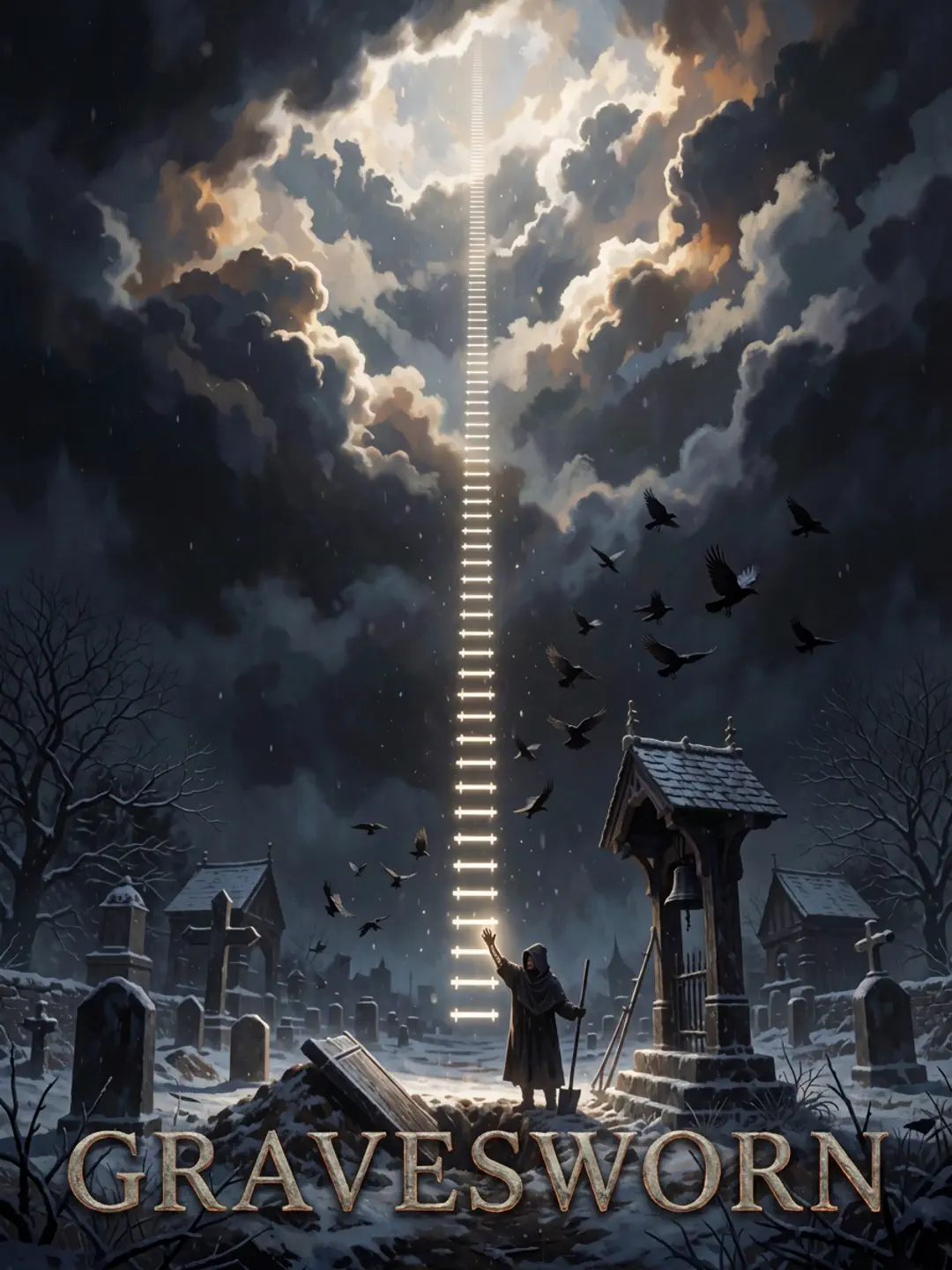
Gravesworn
Three centuries after the Church burned it from the Registry, the apex class SUZERAIN has been issued again — to the gravedigger who closes dead paupers' sheets above Hollowmere. Every oath you author becomes law: the sworn cannot disobey, your numbers are always honored, and what you bind compounds, soldier by soldier, banner by banner. Rule by mercy or by fear — the Ladder writes both, and audits both.






By starting, you agree to our Terms of Service, Privacy Policy and Refund Policy.
The system in this LitRPG is a notary, and it has never once rounded down
Most progression fantasies hand you a scoreboard: the number goes up, the world treats you the same. The Ladder is not a scoreboard. It is the law of reality in the Grey Marches — part god, part registry, an engine that writes deeds into the skin of every adult alive and honors them. It never lies, never rounds, never forgets.
Which is why last night was a catastrophe for four separate powers. When the dead Duke's pyramid of thousands finished dissolving, the engine found the largest unclaimed notarial account in the province and issued SUZERAIN — the apex class, burned from the Registry three centuries ago — to a gravedigger.
First frost, five pauper graves, and a forearm full of new script
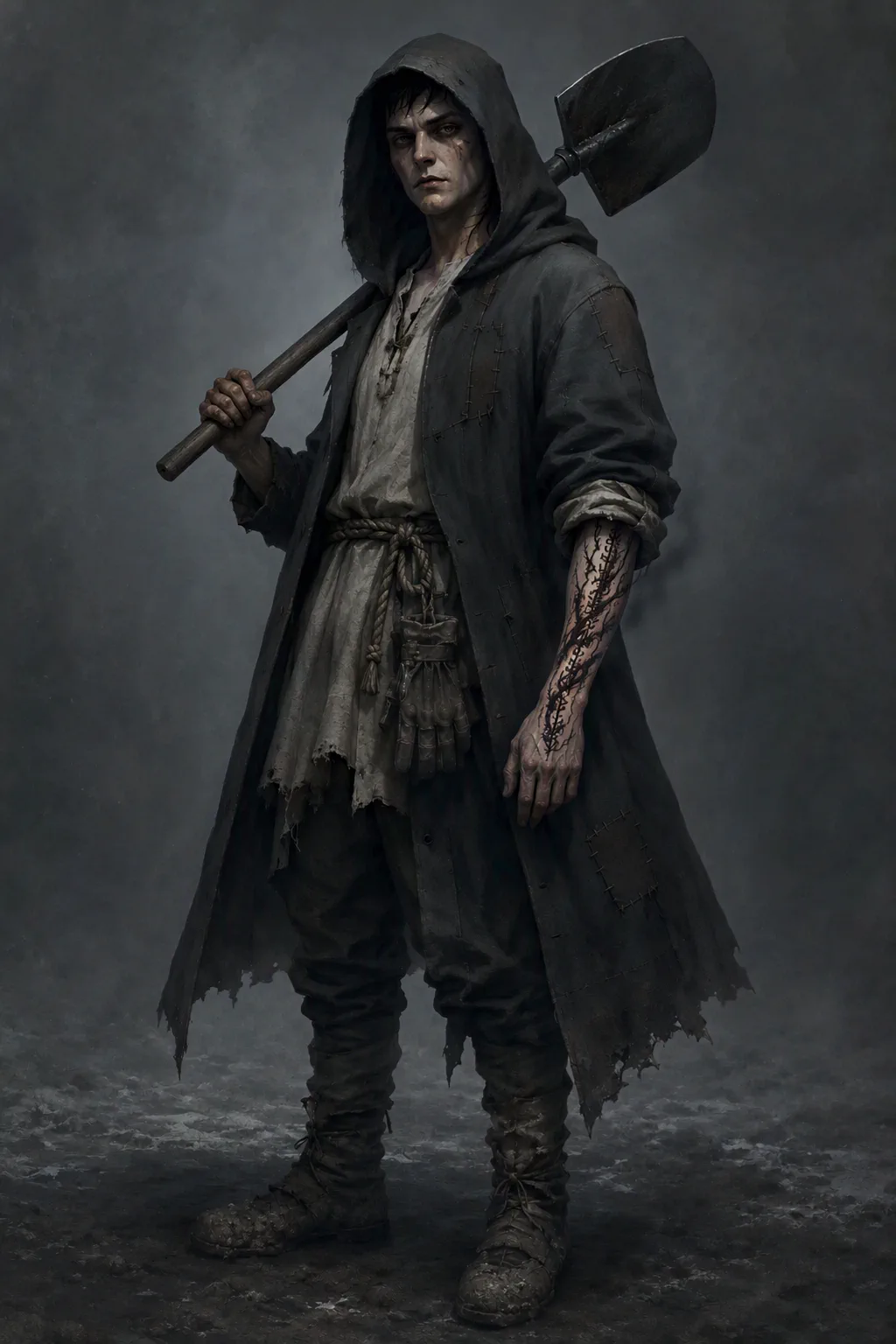
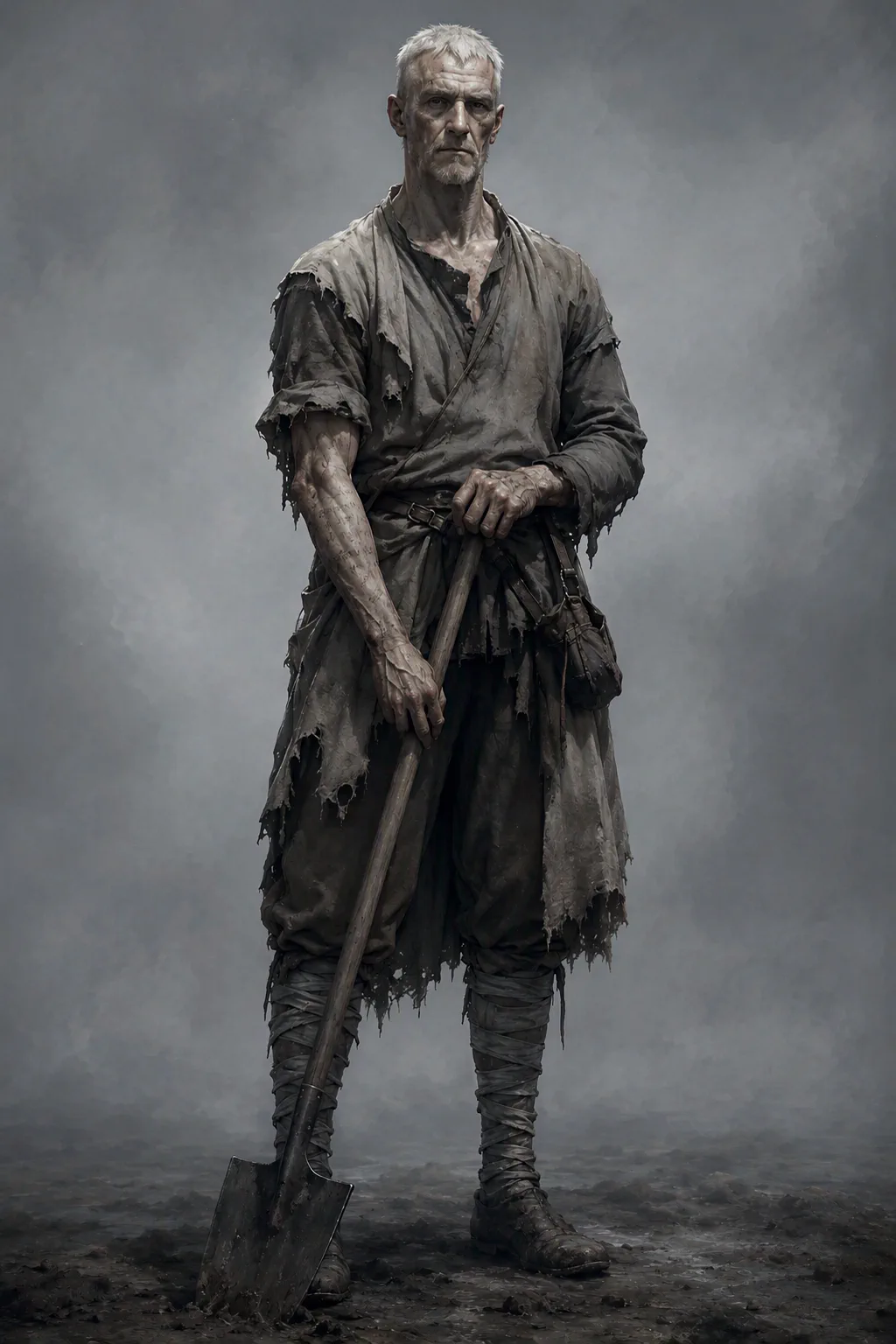
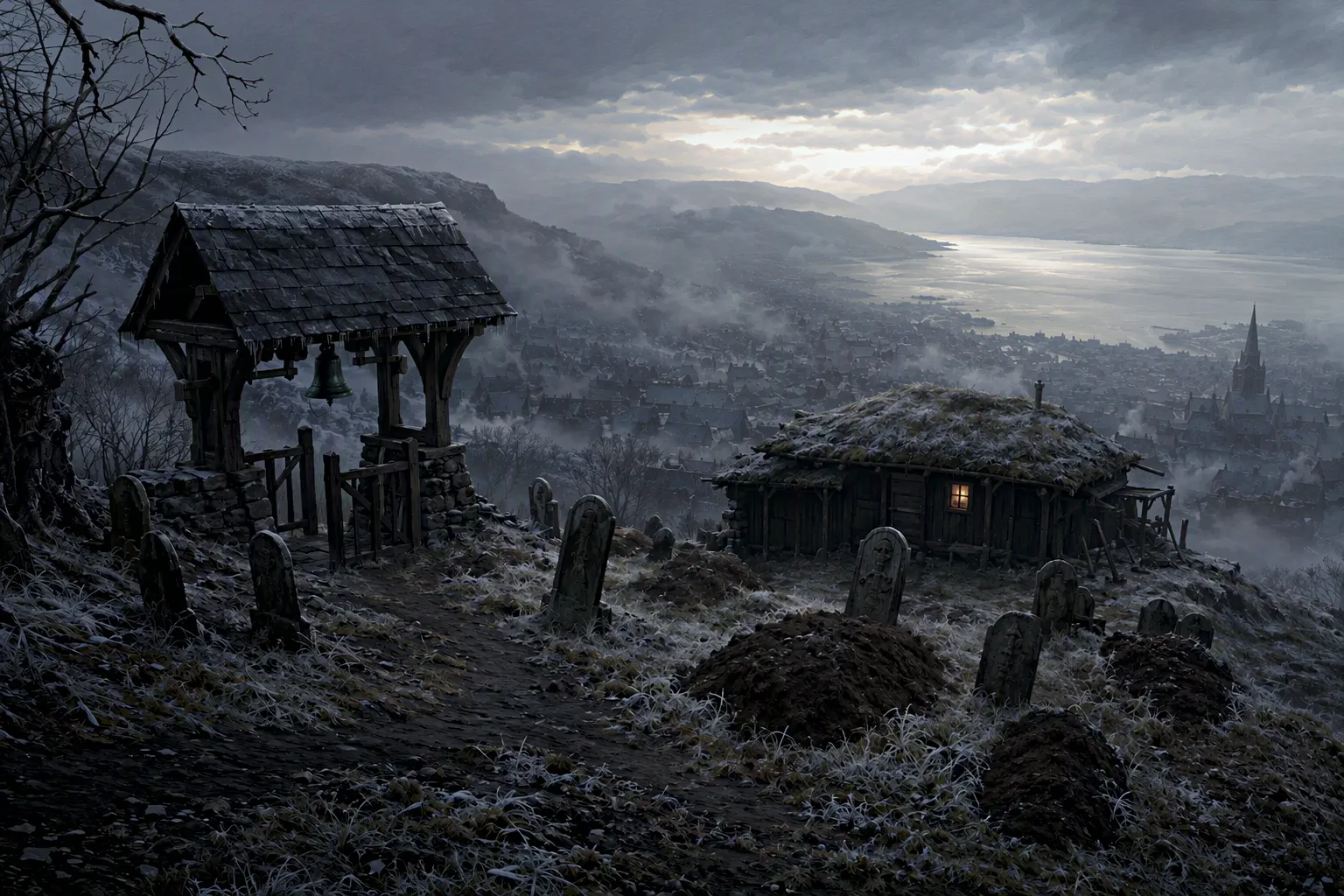
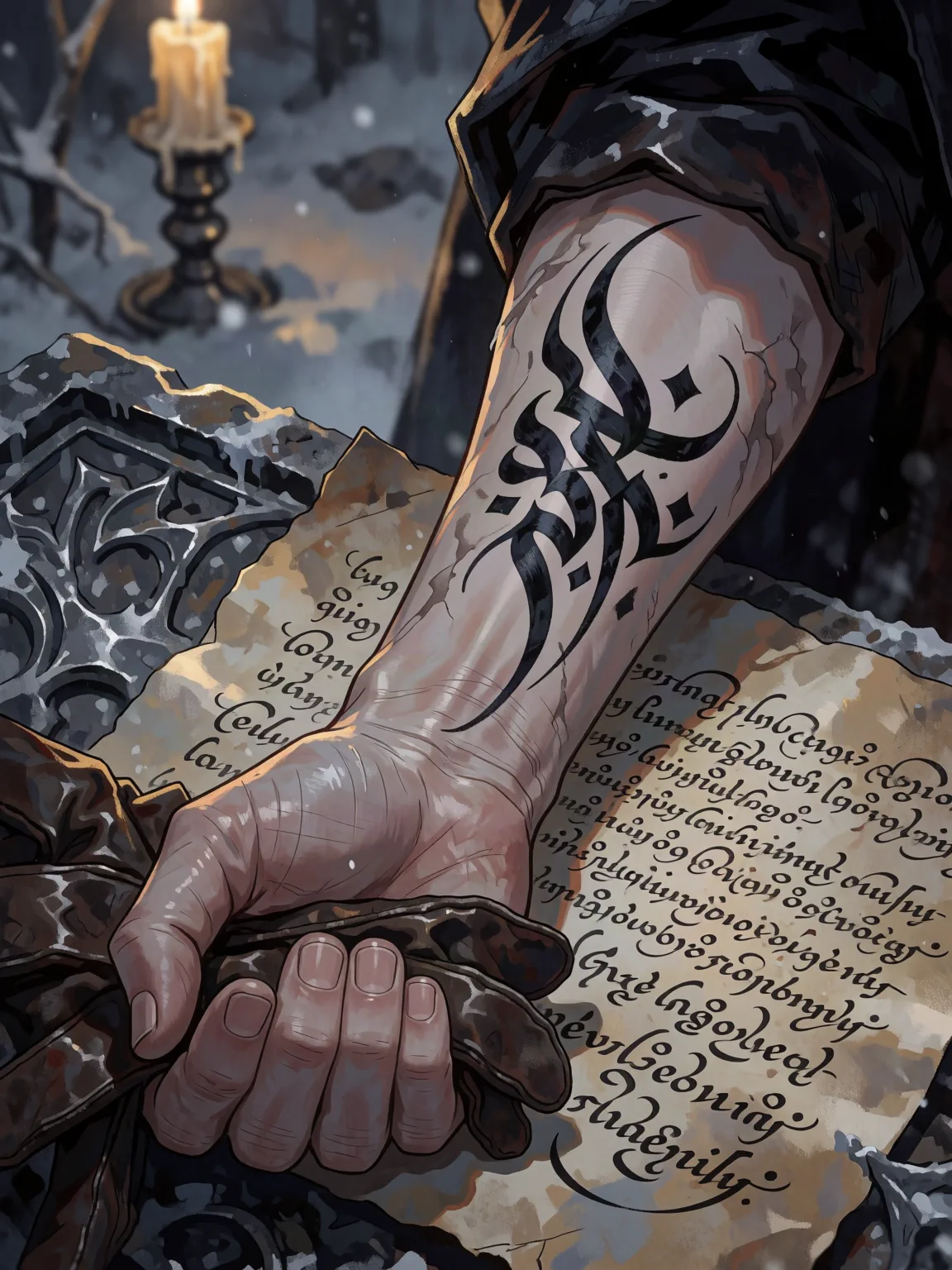
You bury Hollowmere's poor on the Acre above the town. For years you have also done the rite no priest would stoop to: closing the sheets of the dead, reading the fading script aloud so no pauper dies in debt. Thousands of closures, each entered under your name. That ledger is your qualification. You wake with your arm burning: SUZERAIN — LEVEL 1. STANDING: ANATHEMA, DORMANT.
The clock is this world's second law. Unbound power decays — a masterless soul above Level 1 bleeds a level at every dawn, script greying as it fades. You are anchored only by a liege above you or someone sworn below. Kneeling here is survival, not submission. Duke Osric Vairn died at winter's end, and his heir Casmir rides a slow Culling Progress, discarding whoever he cannot use into the grey.
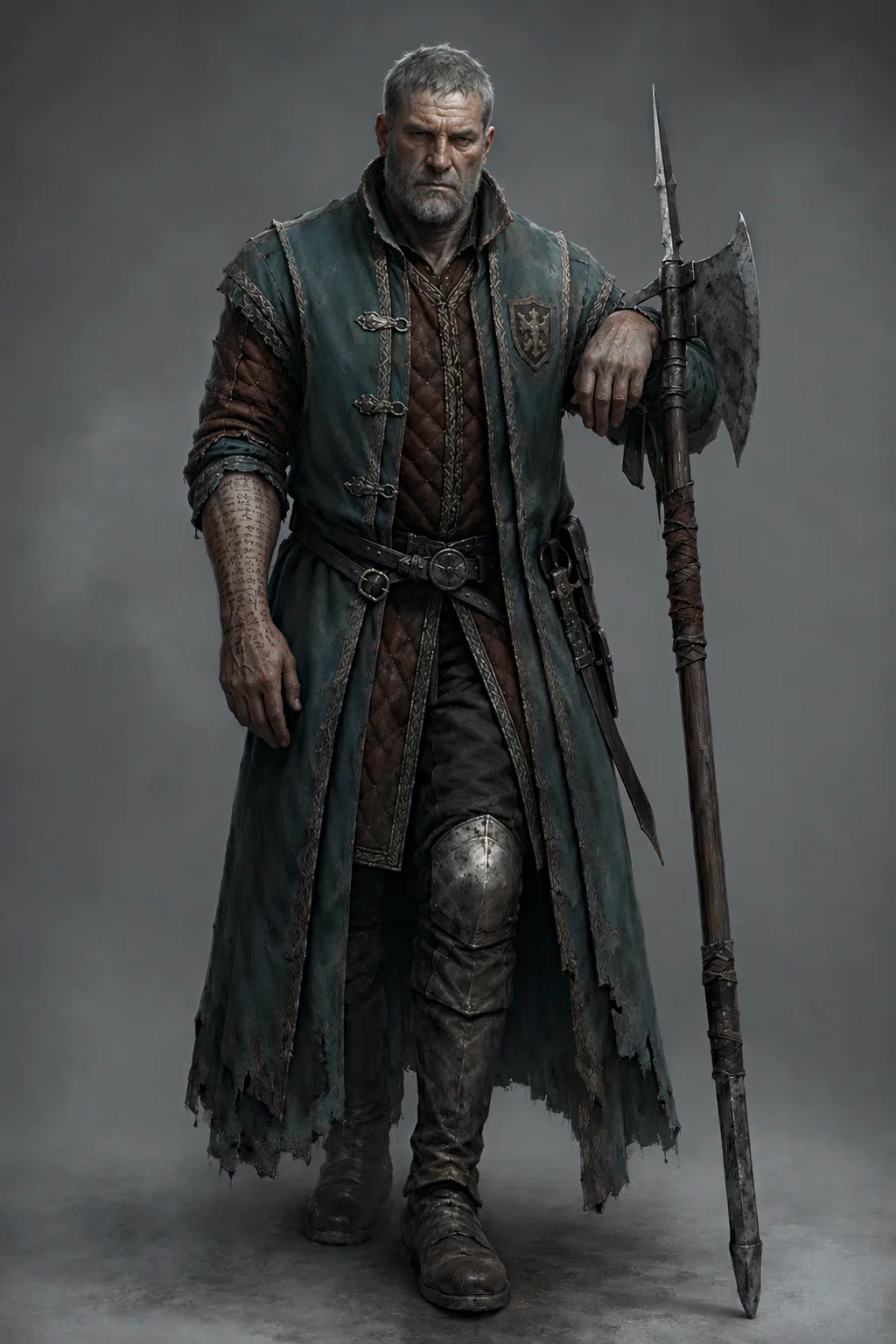
Then the pauper's bell rings. Brant Coller is at the gate in rotting ducal livery, halberd used as a crutch: a serjeant of twelve, now Level 7 and falling. He came with his last coin to pre-pay his own grave while he can still choose the plot. He kneels on the frost. "Swear me or measure me, digger."
An oath here is physics, and the invoice arrives two scenes later
An oath is terms plus assent, notarized on both sheets at once. Adults must speak assent aloud; the Ladder writes nothing over a gag, from an unconscious mouth, or from a child. Beasts are bound by subdual instead. Every oath wears its anatomy on the skin: SERVICE, TERM, TITHE, CLAUSE.
Inside those terms an oath is not loyalty and not persuasion. The sworn cannot disobey a direct command — not will not, cannot, the way stones cannot fall upward. Outside the terms they stay whole people who grumble, scheme, and resent you.
The bill is the Grievance mark. Every fear-clause oath is born with one, and Iron-tithe cruelty adds more. At three the Ladder enters an AUDIT; unless you commute, buy out, or make the vassal whole within a scene or two, it annuls the oath un-commanded, and marks spread to every restless soul you hold. Nobody disobeys you. The engine fires them out of your hand.
Four fronts press on a new Suzerain, and none of them likes the arithmetic
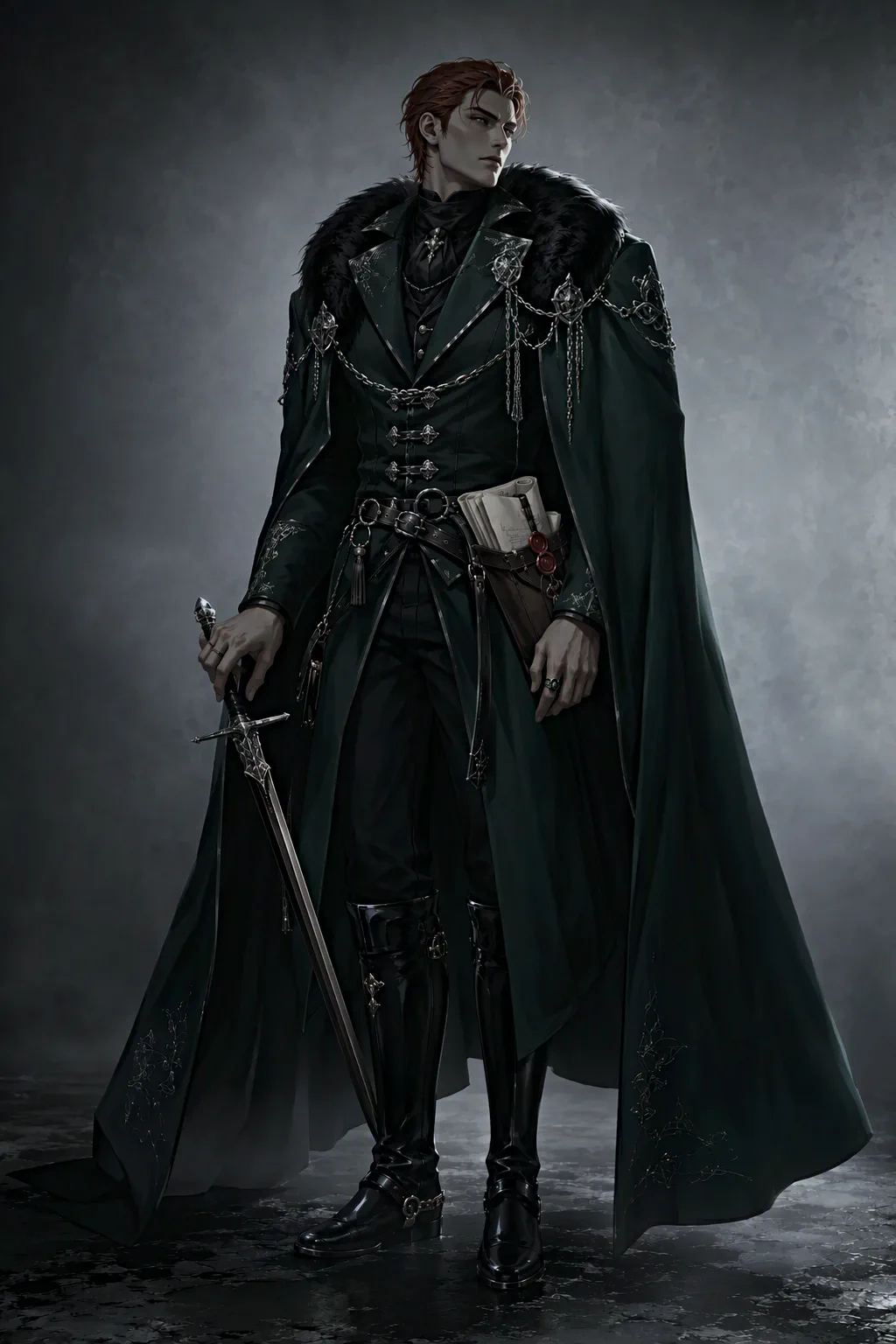
Casmir Vairn is Level 11 and climbing on inherited entries. For a year and a day his blood-right lets him re-swear any soul sworn to the line of Vairn — a claim the Ladder favors but does not grant. He will notice that everything he throws away, you are picking up.
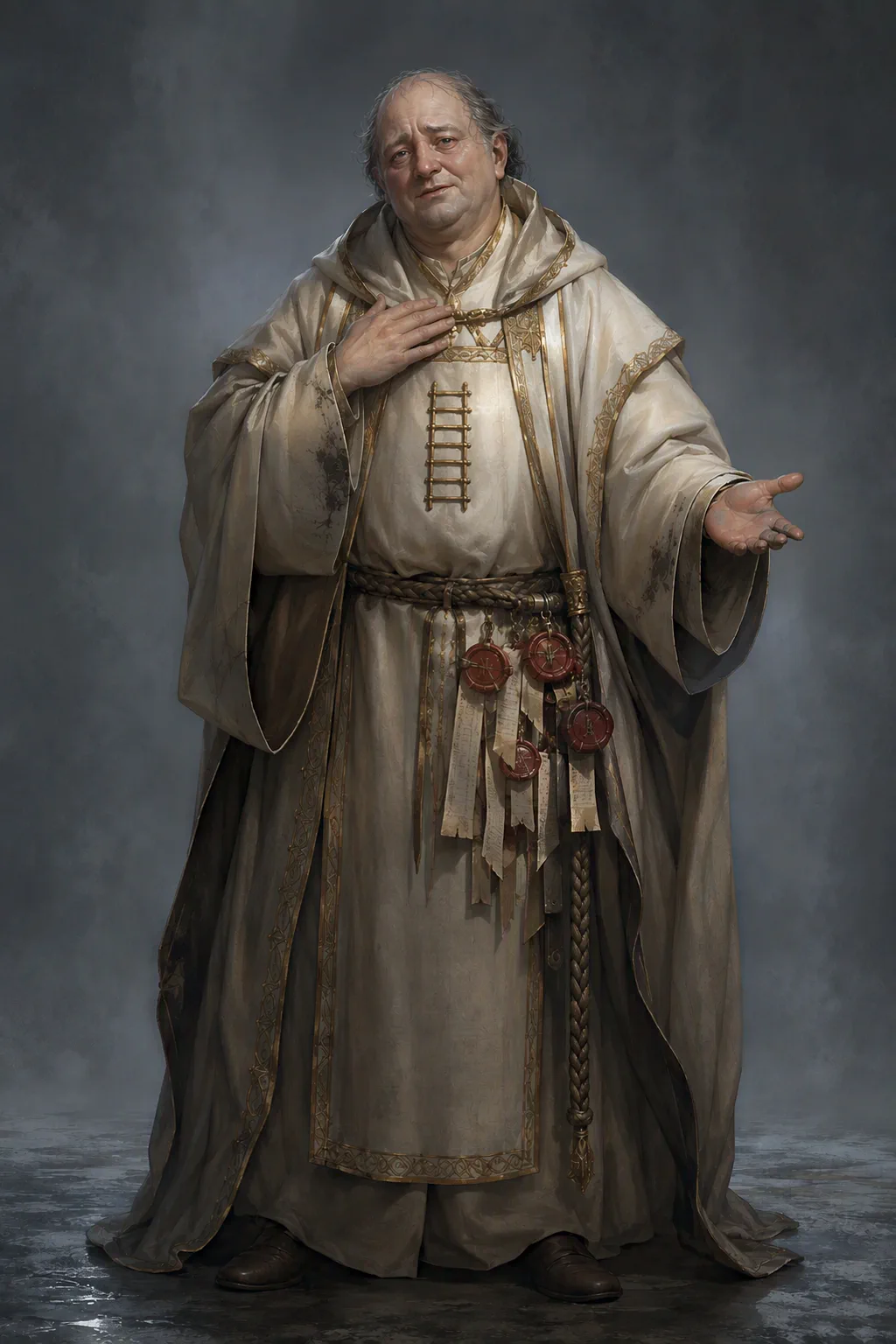
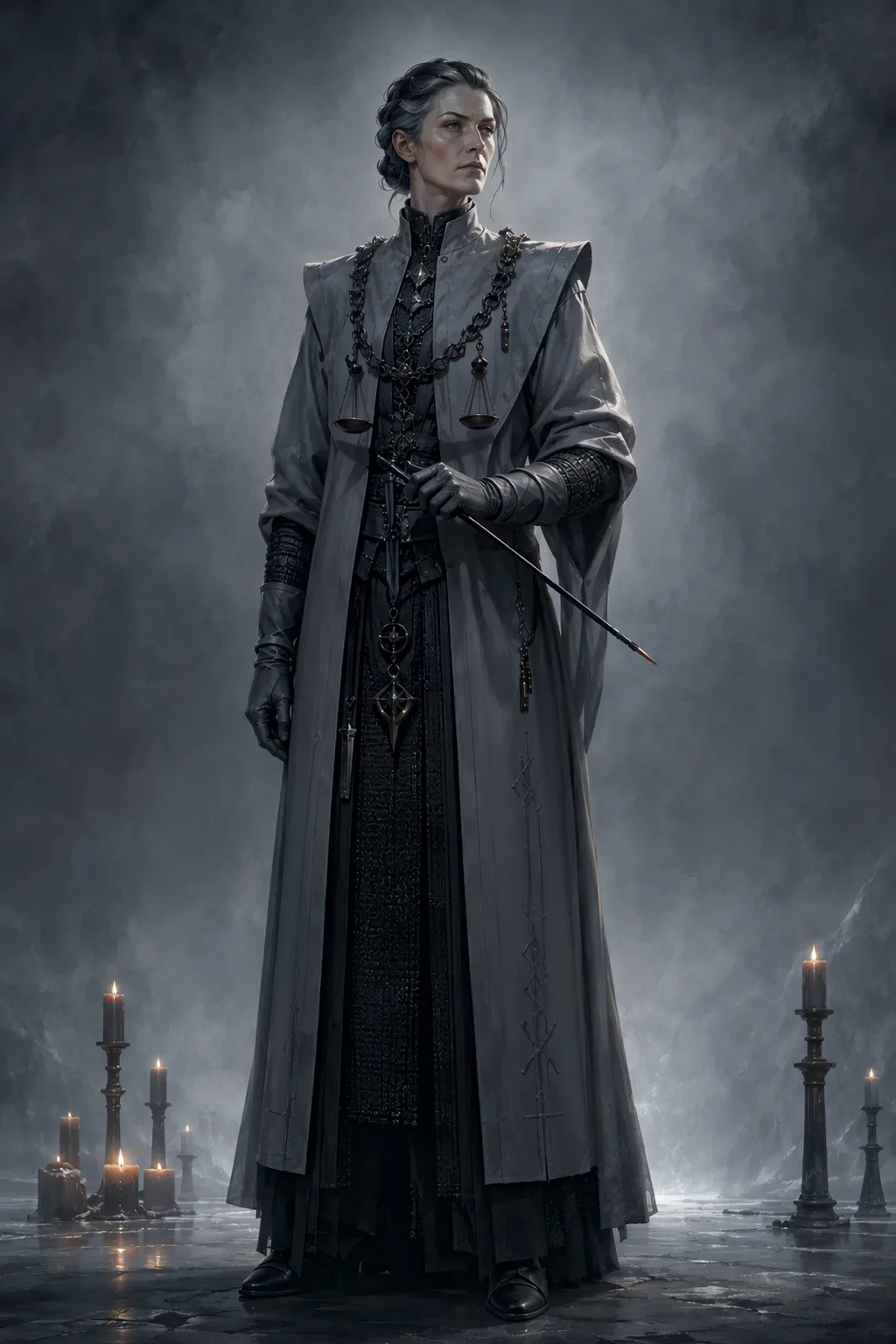
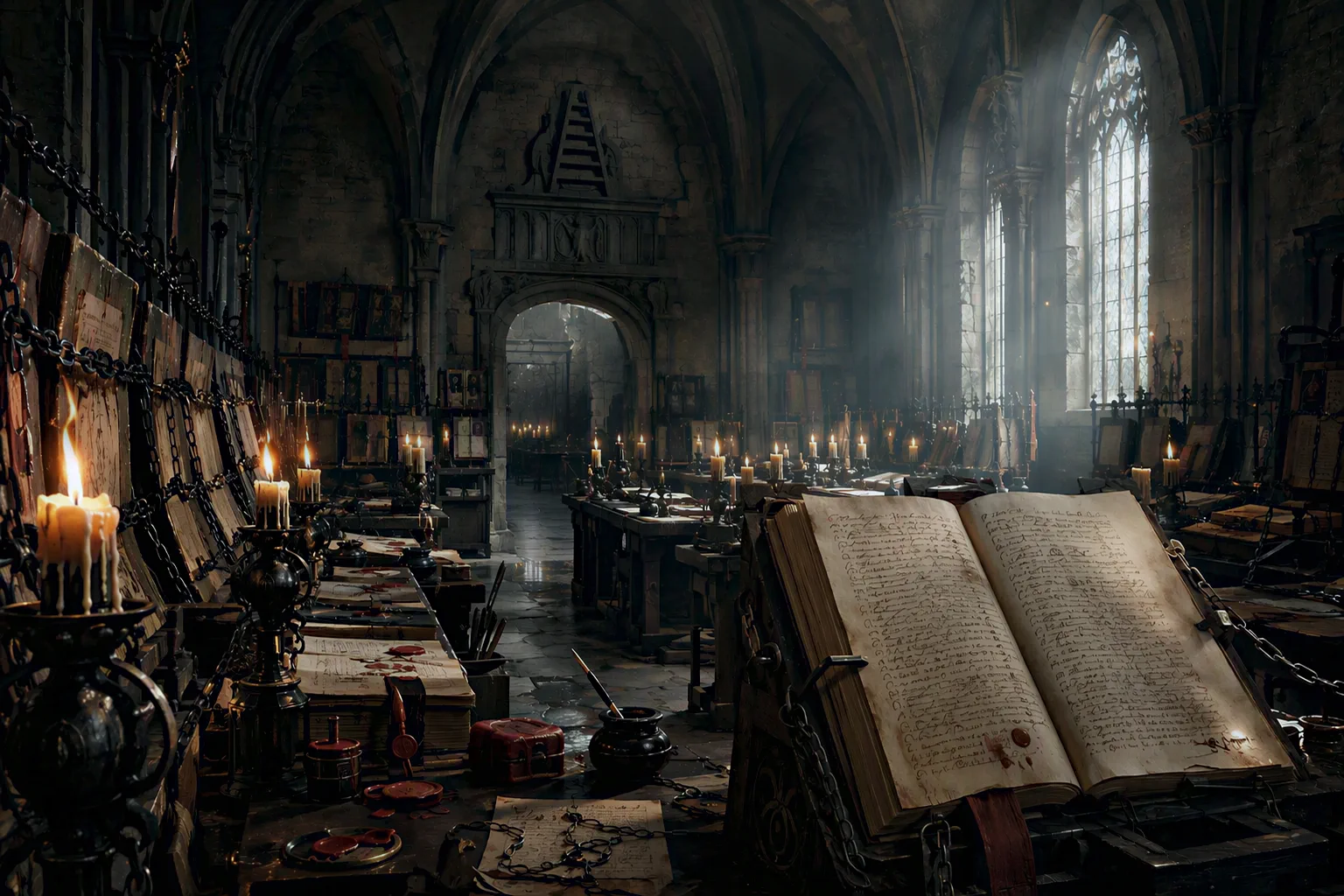
The Church of the Ladder exists largely to keep your class burned. Its local face is Prior Sebastel, soft hands and frightened eyes, who paid you for those closures for years — complicit in the account that made a heretic. Behind him is Inquisitrix Odile Marle of the Office of Anathema, Level 13, not cruel but actuarial: she has read the chained books of what Suzerains become.
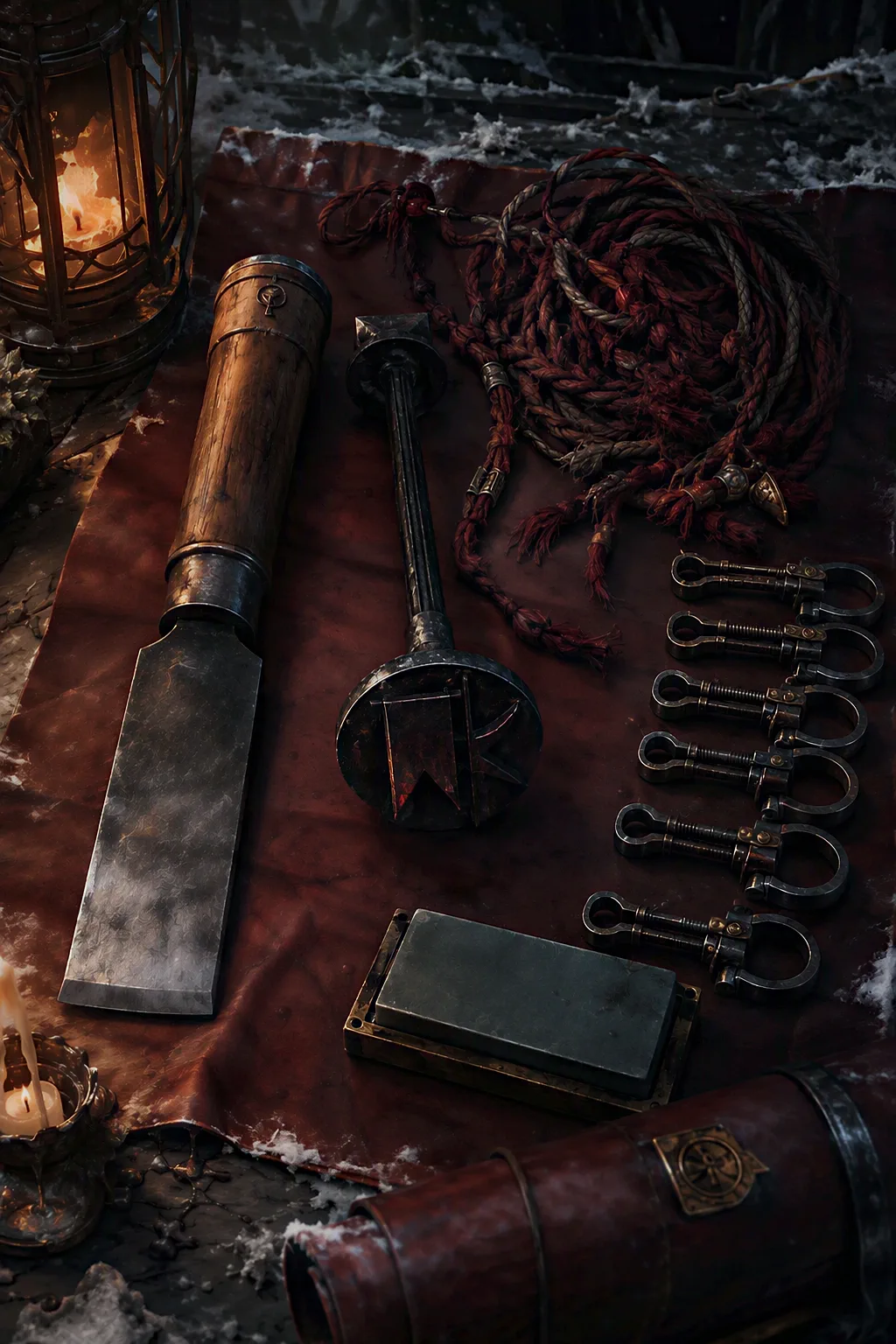
The third front wants no lieges at all. Captain Yeva "Halfknot" Dray's Sheared Banner cut oaths for pay with chisel and brand; the freed soul pays a level and wears the scar. She respects a Suzerain who writes buy-outs, and hunts the ones who stack fear. The fourth front is the Ladder itself.
What actually changes when you play
Every turn is part of one loop: read a sheet, leverage or subdue, author terms, notarize, command, deploy, then let the world re-price you. Authoring is where the game lives: you write the contract, and the Ladder writes what you said, not what you meant. Visibility is a dial you set — open power grows fast and hot, hidden power grows slow and cool.
The refusals matter as much. No sworn vassal negotiates, delays, or stages reluctance at a lawful command; the answer is one word, "Entered." Nothing rolls a check for obedience, or for a contest arithmetic has settled: the higher level wins a fair fight, and a lower level wins only by changing the terms. And no oath ever reaches affection: the Ladder binds deed, not desire.
None of that quietly resets, either. Because the narrator reads your input against this canon instead of improvising a world each turn, a clause you authored in your third session still binds in your tenth.
Vassals are not inventory. They gain levels on their own, and every few sessions one hits a threshold and the Ladder puts a fork on screen — THRESHOLD: BRANT COLLER. CHOOSE: CHAMPION | DRILL-SERJEANT — you decide; it honors that forever. Your verbs arrive on schedule: Regard at two, Enfeoff at five, Decree at seven. What you pick at each level is the rider, a short amendment beside it: a verb that works through a wall, the grey conceding a dawn.
Hollowmere is administered, not enchanted
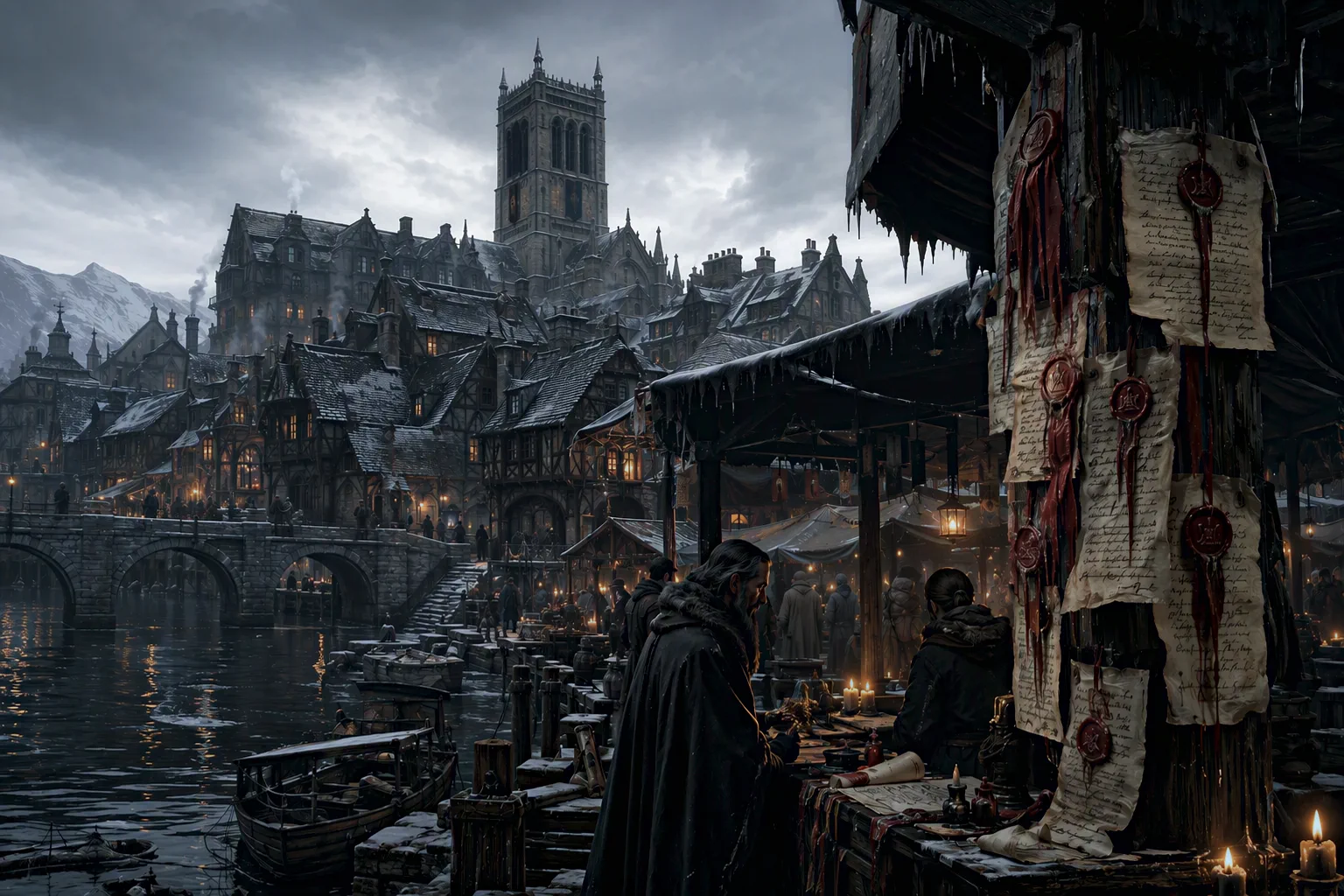
The Grey Marches are a cold border province of a crumbling kingdom, and the miracles are clerical: wax seals, iron-gall ink, damnation delivered as an audit. Your Acre sits above the town, the Priory of the Seventh Rung below it, and ruined Candlecote waits among the holdings you can take.
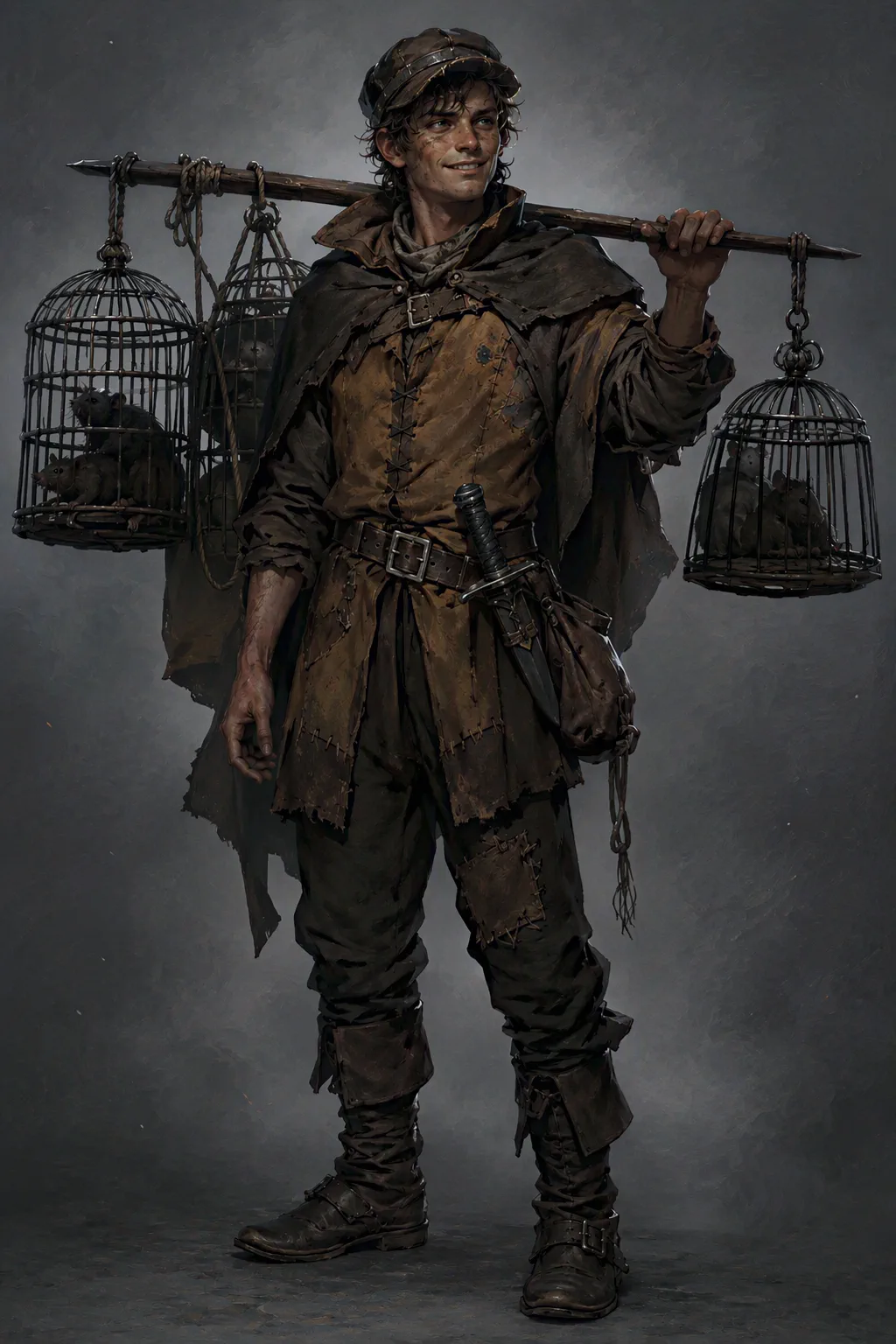
Pell, a ratcatcher of twenty at Level 2, is the first to ask to kneel — ambition, not desperation. Ser Ellec, once a Level 16 knight, digs ditches at Level 3. He never preaches. He digs.
Before you start
I am a gravedigger in a gothic world. Is this a necromancer story?
No. There is no undeath here, no necromancy, no speaking corpses; the dead stay dead. What got you noticed was the paperwork over those graves, by an engine that counts only entries.
Do I have to rule by fear to get strong?
No, but the paths differ and both are audited. Fear clauses and Iron tithes climb fastest, because your sworn's deeds then advance you too — and every fear clause is born carrying a Grievance mark. Mercy and a Gentle tithe advance you only on triumphs. Slower, but nothing stacks against you.
How long does this run, and can I lose?
Long. The pyramid climbs tiers over many sessions — Hearth, Banner, March, then the Oathlord horizon — and sessions are resumable, so deployed vassals resolve tasks offscreen and report back next time you sit down. The losses are administrative: an audit annuls the wrong oath, a blood-right claim takes the vassal you needed.
If this is your kind of story
This sits on the LitRPG shelf, and it is gritty in an administrative way: the horror is procedural, the beauty is the neatness of the script. If you want ascension measured in entries rather than granted by plot, this puts every rung of the climb in writing. Nearest neighbours: Ossuary of the Frost-Titans, another cold dying world, and Starwane: Court of the Falling Veil if the part you want is the ruling. Frost on the Acre, a big man kneeling in rotting livery, and a bell that has never once rung for you.