

Gullet
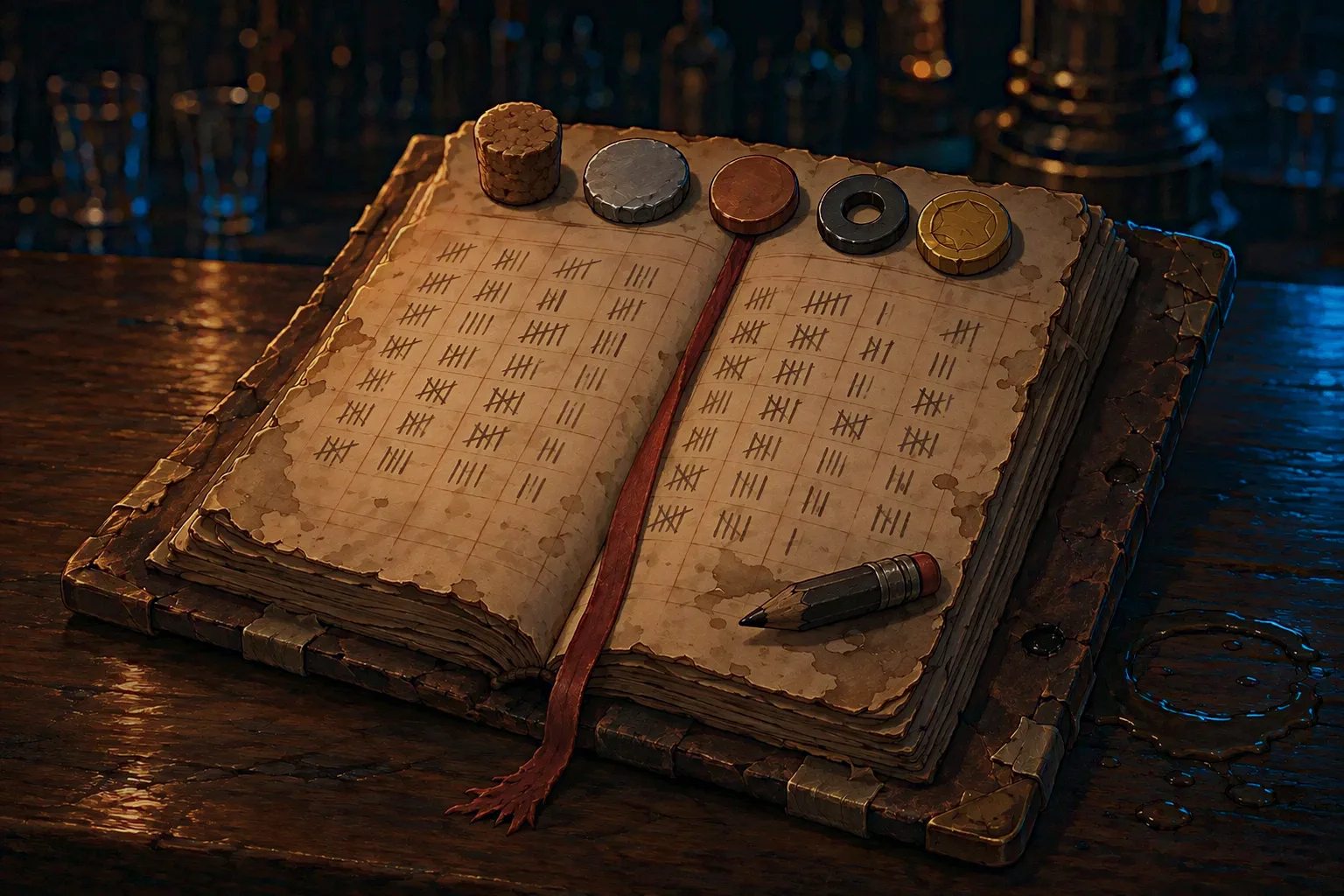
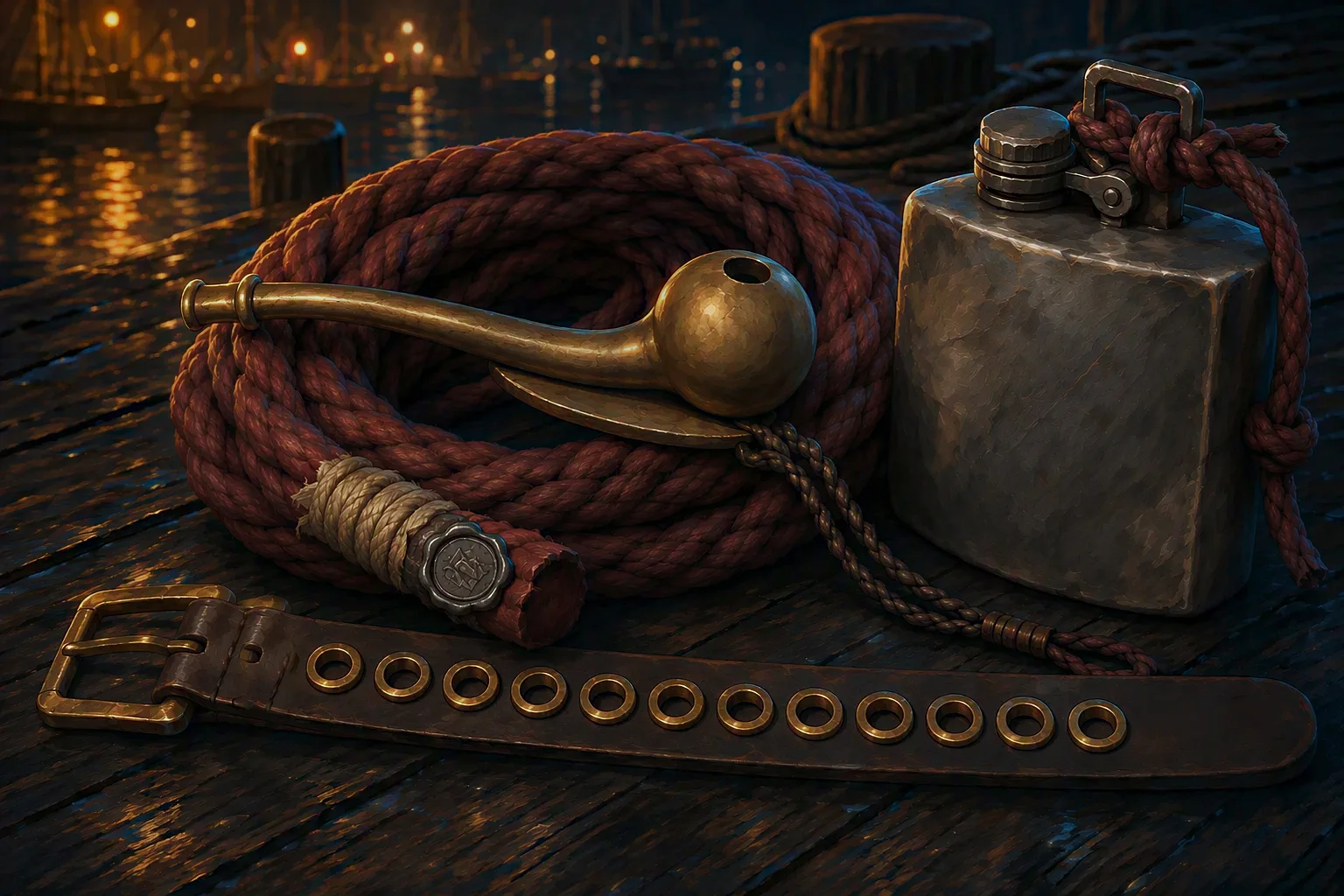
A harbour town gives back what it swallows as half-animal, half-thing gulls. Get red line on their made half and they are yours. A pit handler in debt, twelve hitches to a belt, forty pages in the book.


By starting, you agree to our Terms of Service, Privacy Policy and Refund Policy.
The town drops a wine cork in the water and a rat climbs back out wearing it
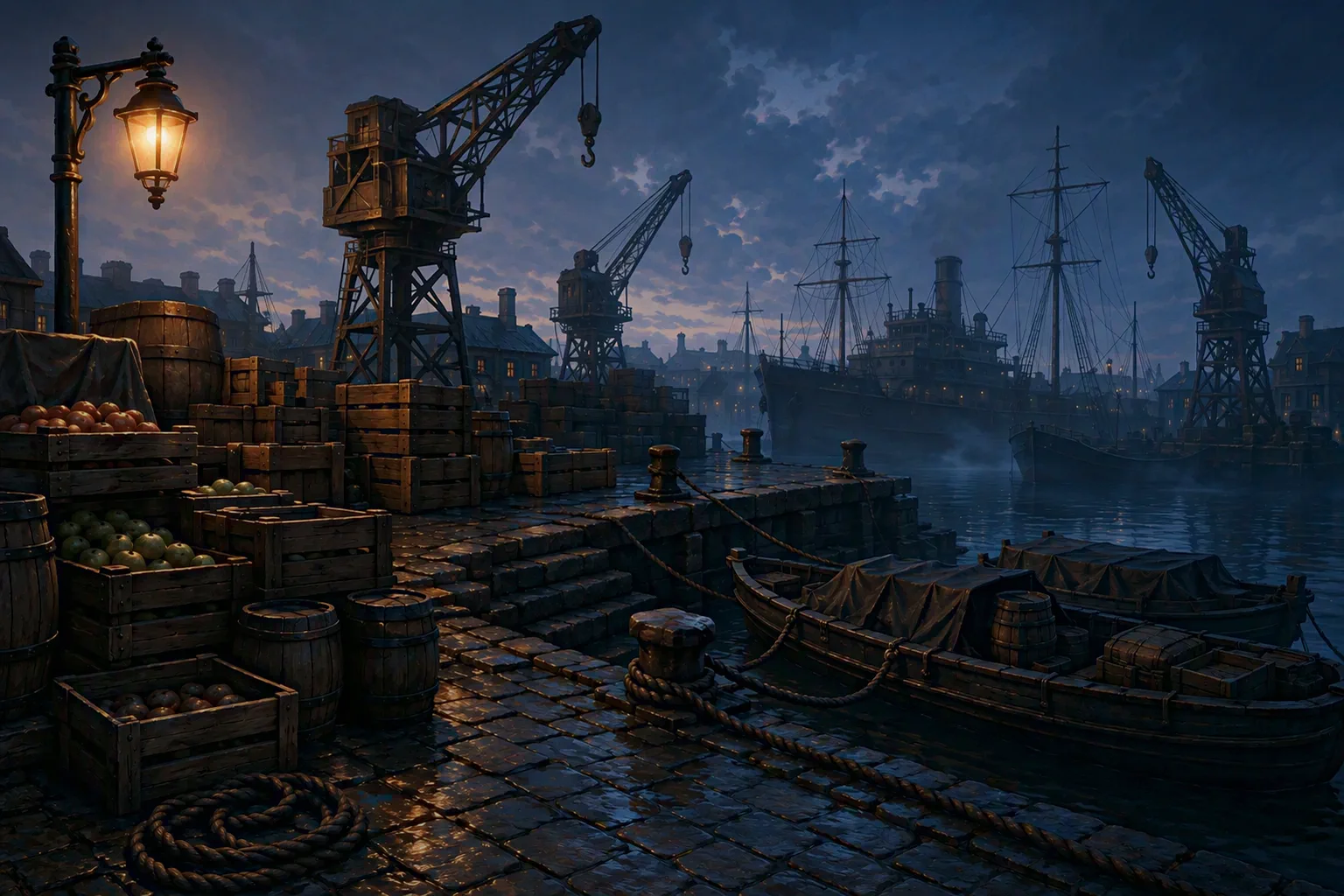
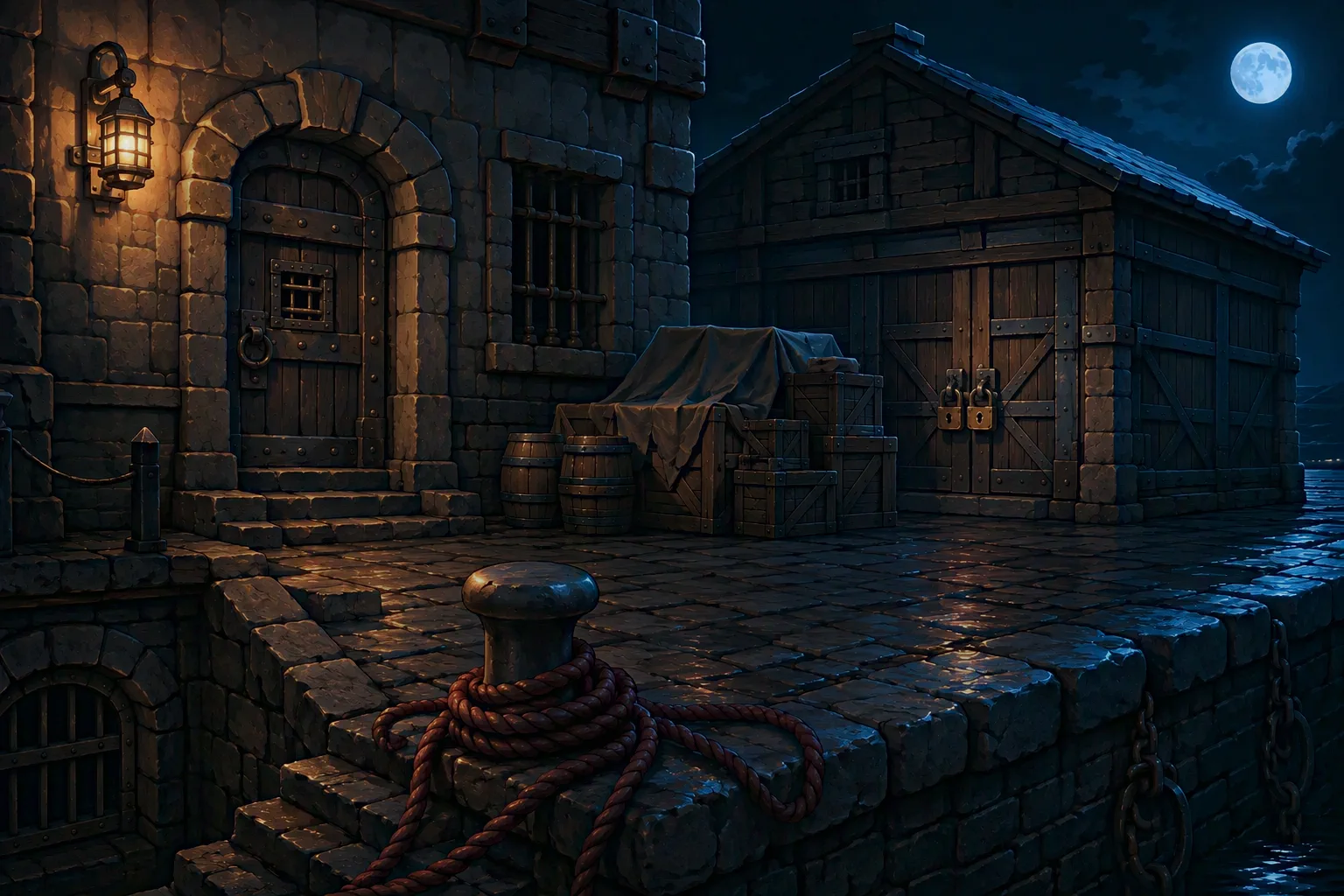
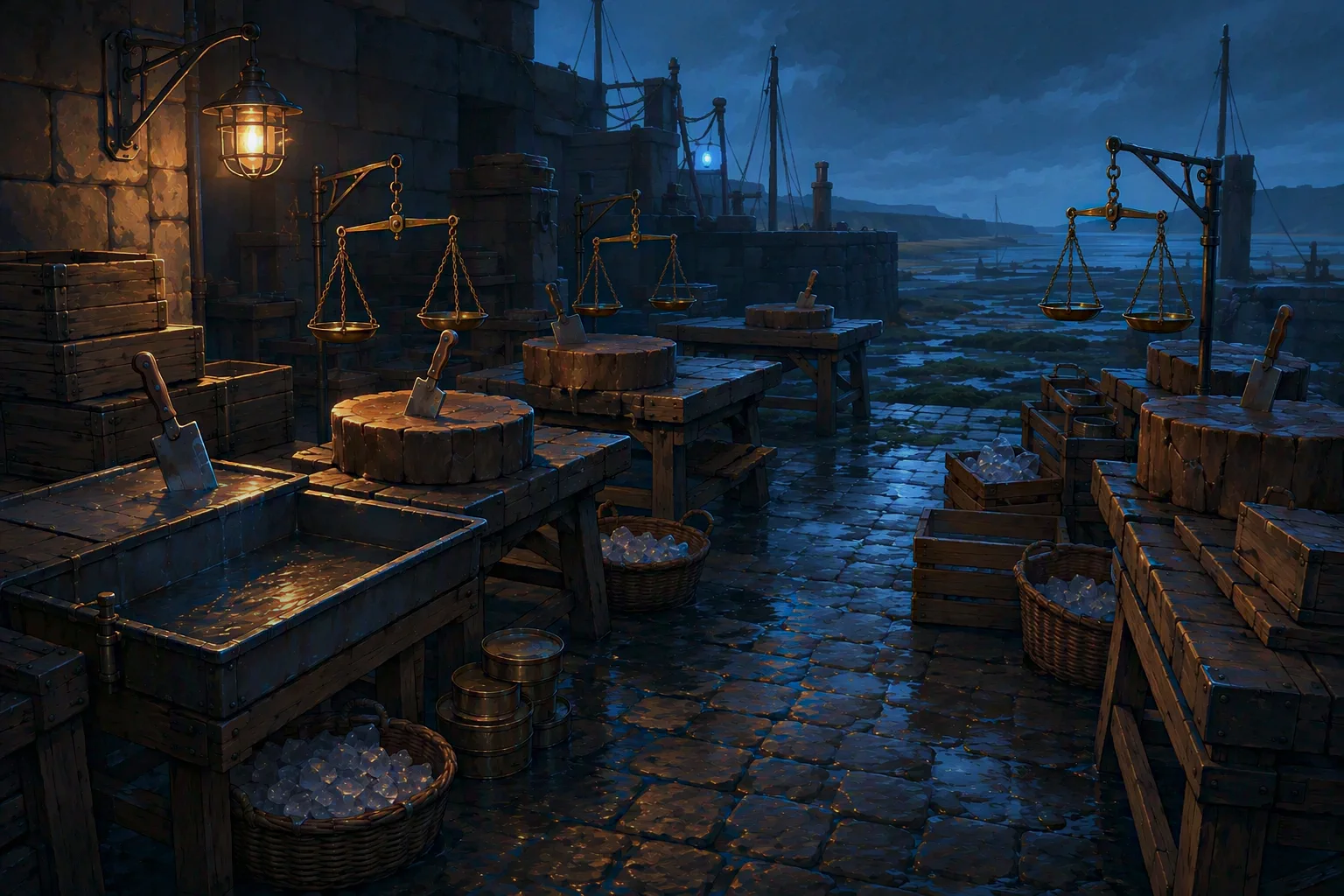
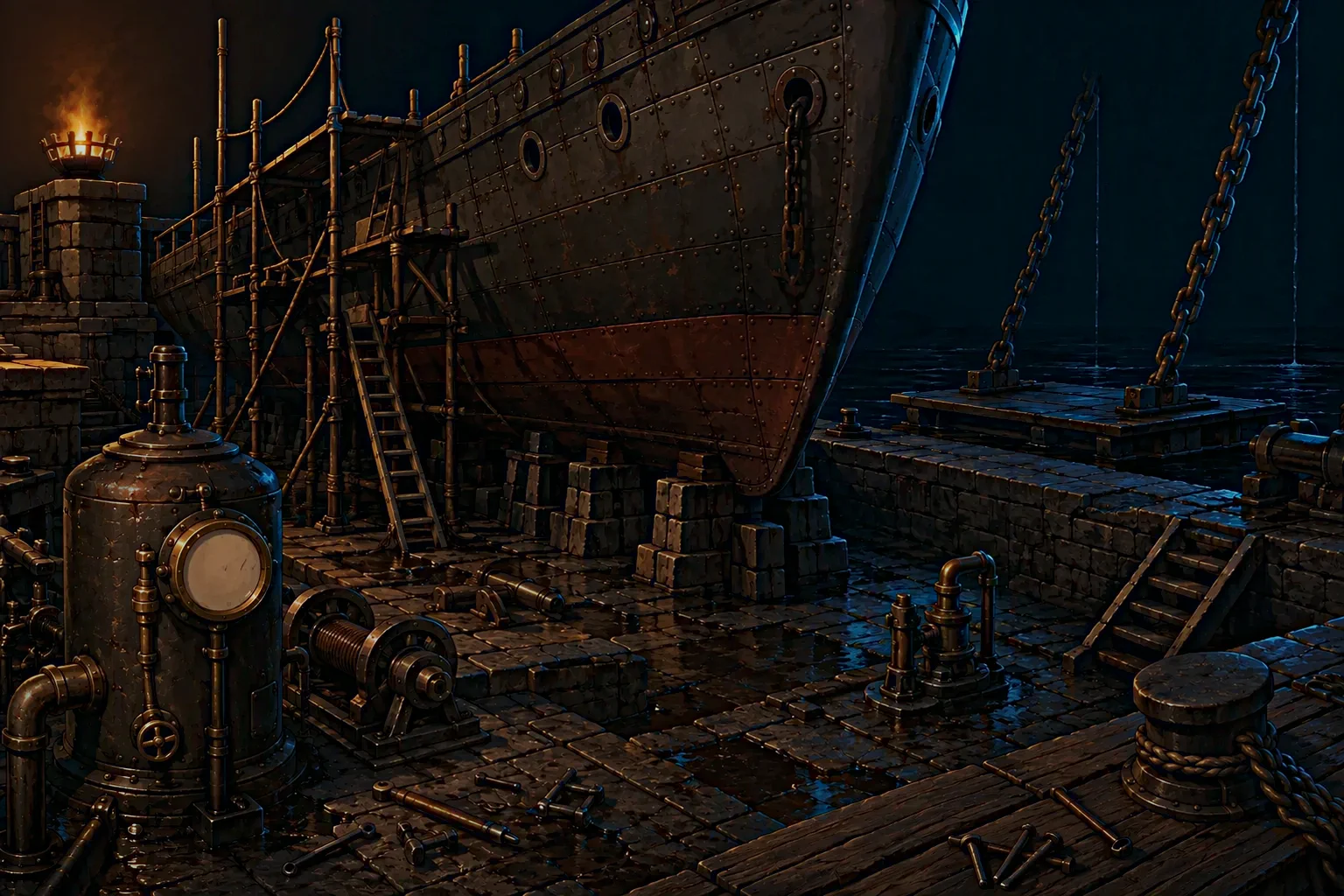
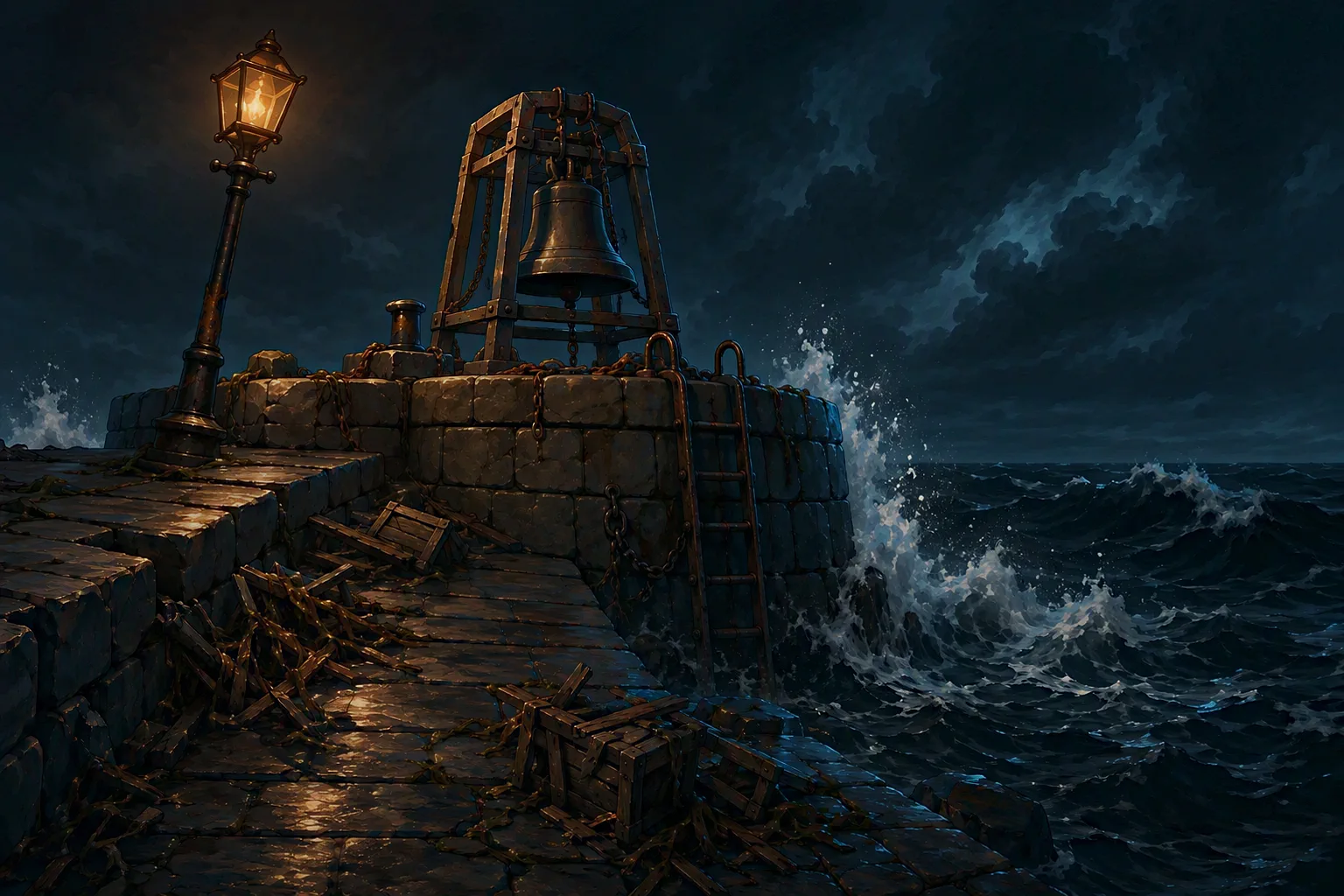
Gullet is a harbour town with a throat. Everything it loses over the side — bottles, dog-ends, dice, knives, a customs padlock, once a whole bank vault, once a ship's cannon — comes back up a few tides later grown into a living thing: half the animal that swallowed it, half the thing it swallowed. The town calls them gulls, and calls the birds "real gulls" to keep it straight.
Nobody in Gullet knows why and nobody asks. The pit book has forty pages and that is the theology.
The economy of the thing is simple and cruel: the dearer the thing the town lost, the rarer the gull. Gin Row loses a hundred corks a night, so cork rats are everywhere — scrappy things with foil still on, wearing a bottle-cap for a helmet. The harbour lost exactly one cannon. So there is exactly one cannon whale, out past the breakwater on storm nights, and it belongs to a smuggler king who has never once set foot on shore.
There is no magic to learn. There is one physical law, and you can use it tonight
A gull has a made half, and a made thing goes where it is pulled. Tie a line through the made half — through the kettle handle, round the shotgun barrels, through the padlock shackle — and the animal half has to go where the made half goes. That is the entire law of the world. A rat cannot argue with a rope through its own cork.
Only red line holds. The tarred crimson cordage the Customs House stamps its seals with slips off nothing; ordinary rope slides off a gull as if greased. Why red works is the one thing this town has never explained and does not care to. The Customs House keeps the monopoly, a fathom costs a crown, and holding red line without a licence is a flogging offence — which means every fathom coiled on an unlicensed belt is stolen or smuggled, including yours.
Each gull is held by a named hitch at a named place: red line through the flask cap, through a link of the chain, round the cigar behind the ember. And a hitch pulls on the handler as hard as it pulls on the gull. A belt takes twelve hitches. A thirteenth drags a handler into the water.
A hitch only ever breaks physically, and the harbour itself will break one for you
Nothing frees a gull but force. The line parts — a knife, a fire, a stronger pull. The tie point fails — the cap unscrewed, the cork gone crumbly wet, the chain link cut, the shackle opened with its own key. Or the made half is destroyed outright: the flask crushed, the cigar burnt down to nothing.
Not pity. Not a bribe. Not the gull's own will — it has nothing to bargain with and never pretends otherwise.
And one clause hangs over every plan you make: salt water rots red line in one night. Walk a gull home through the harbour and it is a gull you no longer own by morning. The bosun's call on your lanyard helps — one note come, two hold, three go — but that is training, not law. It does nothing at all to something you haven't roped.
You are three hitches deep, seven fathoms short, and the interest is due tonight
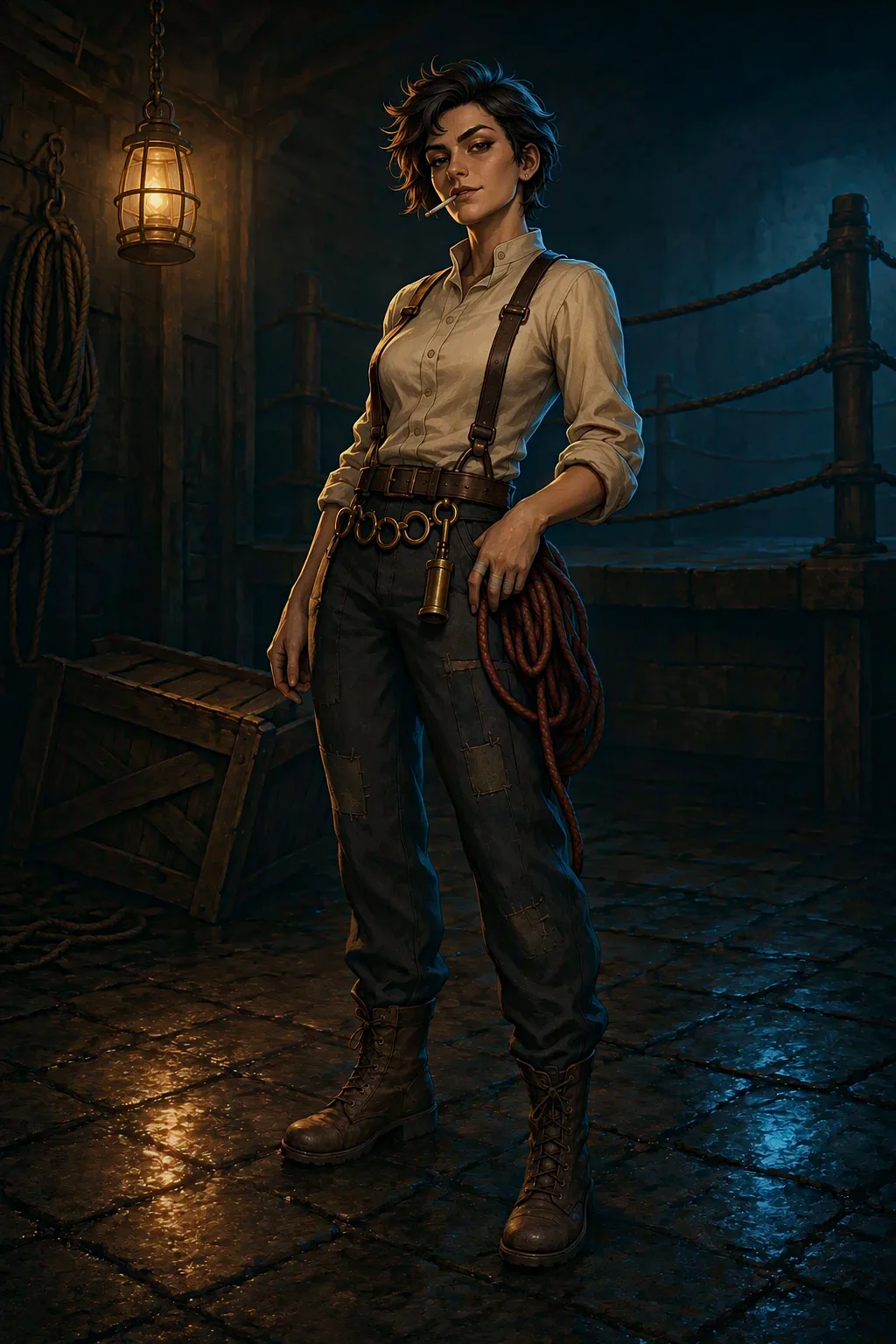
You play Ada Roake, thirties, an unlicensed handler working the Undercard — the lesser pit on Sallow Street, one rung below the main card. Cropped dark hair, a split lip that never quite finishes healing, two fingers taped, a rope scar across the palm, braces over a rolled-sleeve shirt and a knife in her boot. Calm, businesslike, funnier than she lets on.
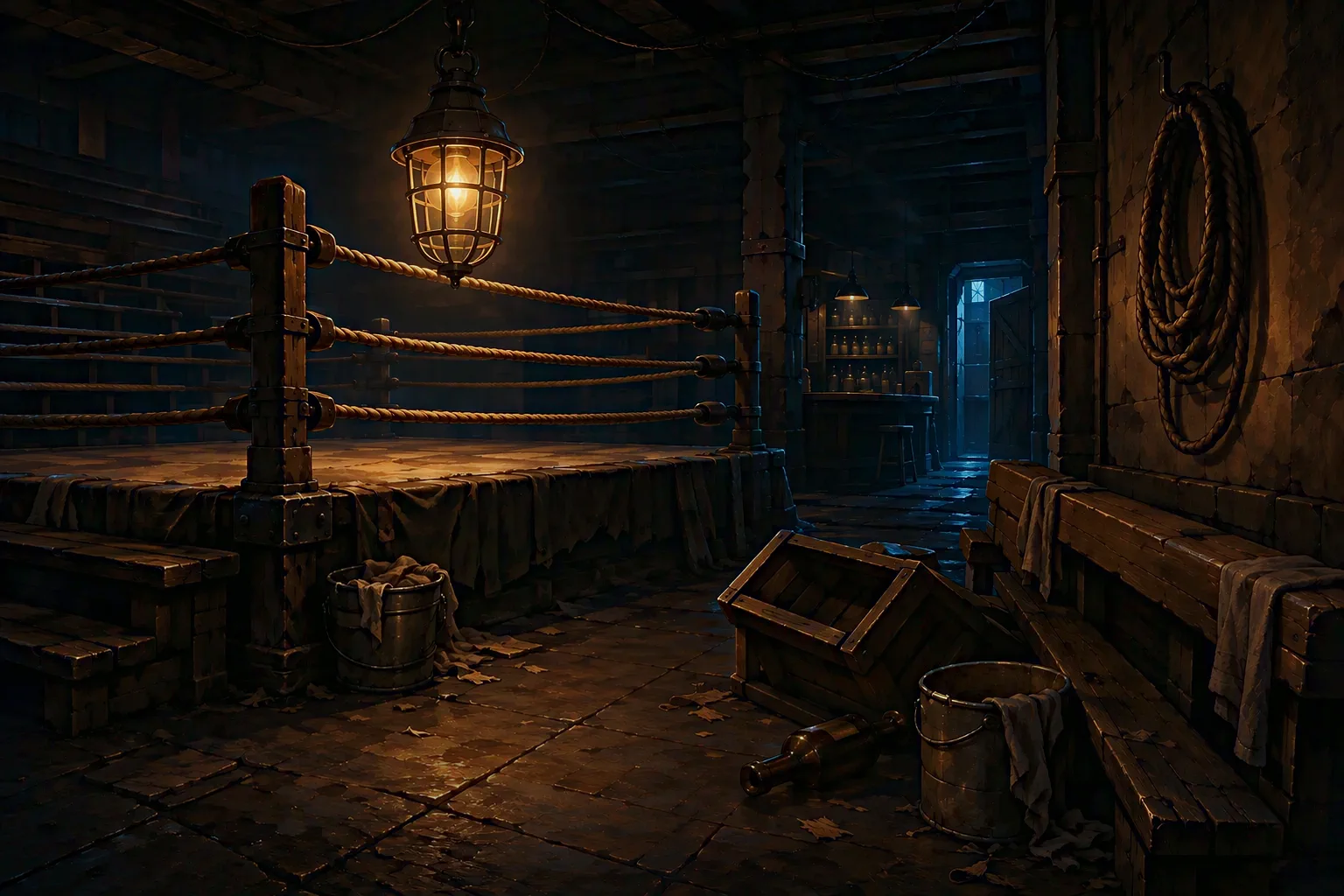
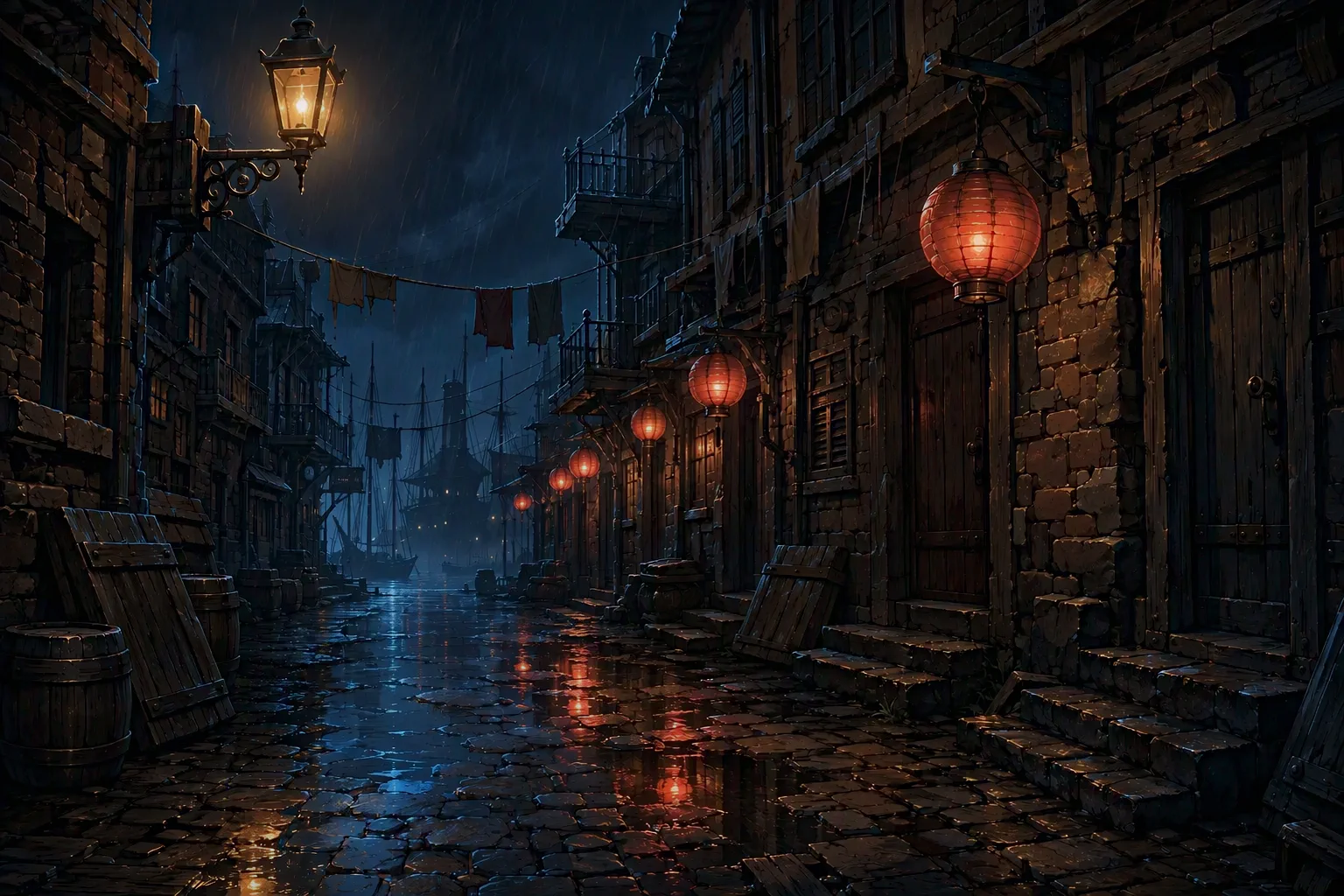
The story opens on her hands. She is sitting on an overturned crate in the pit's back room taping the paw of her boar. Fight night, ninth bell gone, the cage lamp swinging. Through the ropes: bettors, the bar, the red lanterns of the street beyond.
She owes Hollis Dunmore the price of the boar she lost last winter, and Dunmore takes his interest in fights. His man is already at the door with tonight's figure written on a betting slip — and tonight's interest is a fight her boar cannot win.
Her belt at the start is three: Bruiser, a knuckle boar with brass knuckle-dusters for tusks and a fresh black eye. Snake-eyes, an alley cat with two ivory dice for eyes, who reads a card table better than you do. And Stub, a stubby crocodile with a lit cigar for a snout, asleep under the bench.
Four people own this town, and one of them owns you
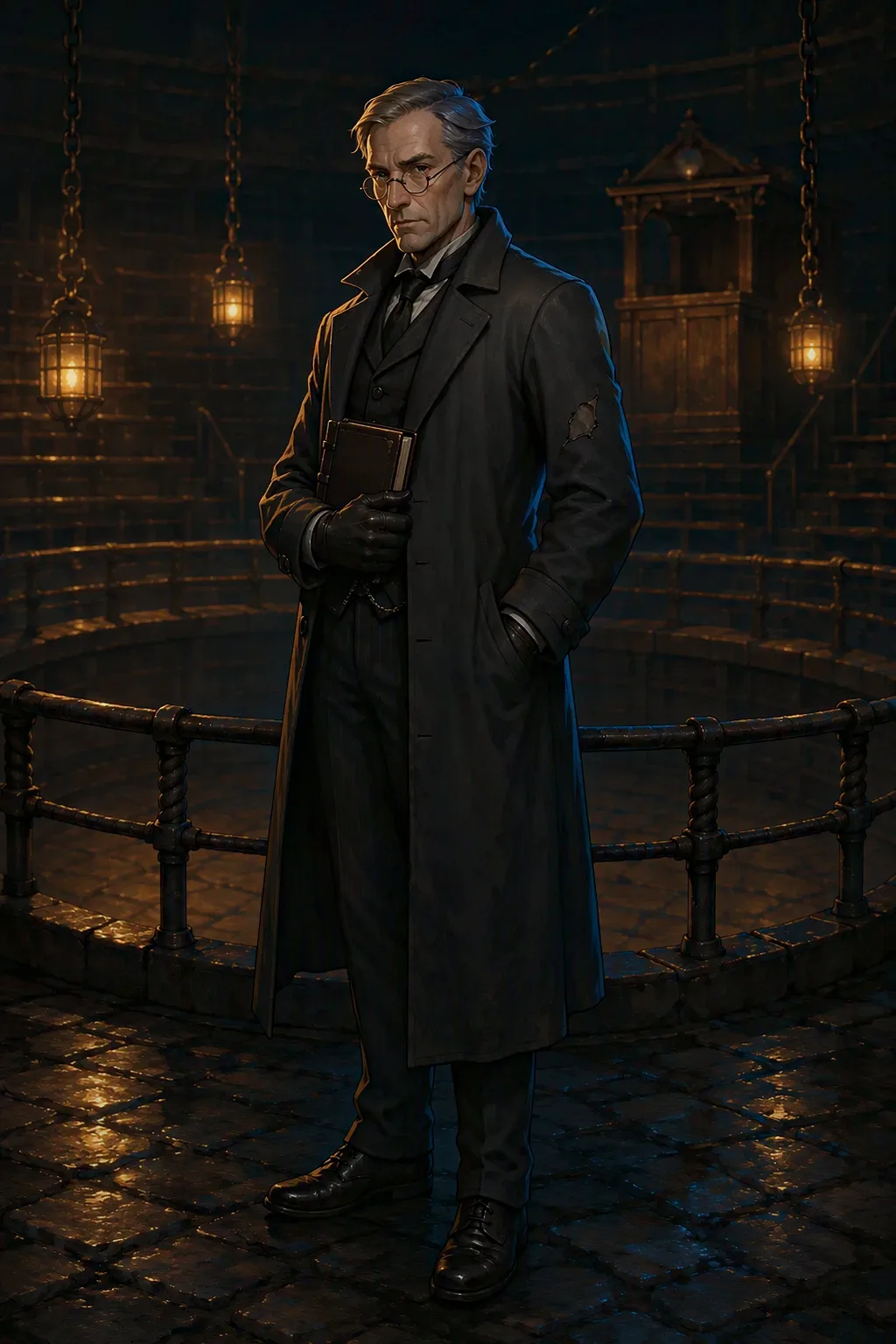
Hollis Dunmore owns the Sallow, the Undercard, the book and most of the bookies. Soft-spoken, spectacles, gloves, and never seen with a gull of his own — because he holds the men who hold them. He does not threaten anybody. He adjusts the interest.
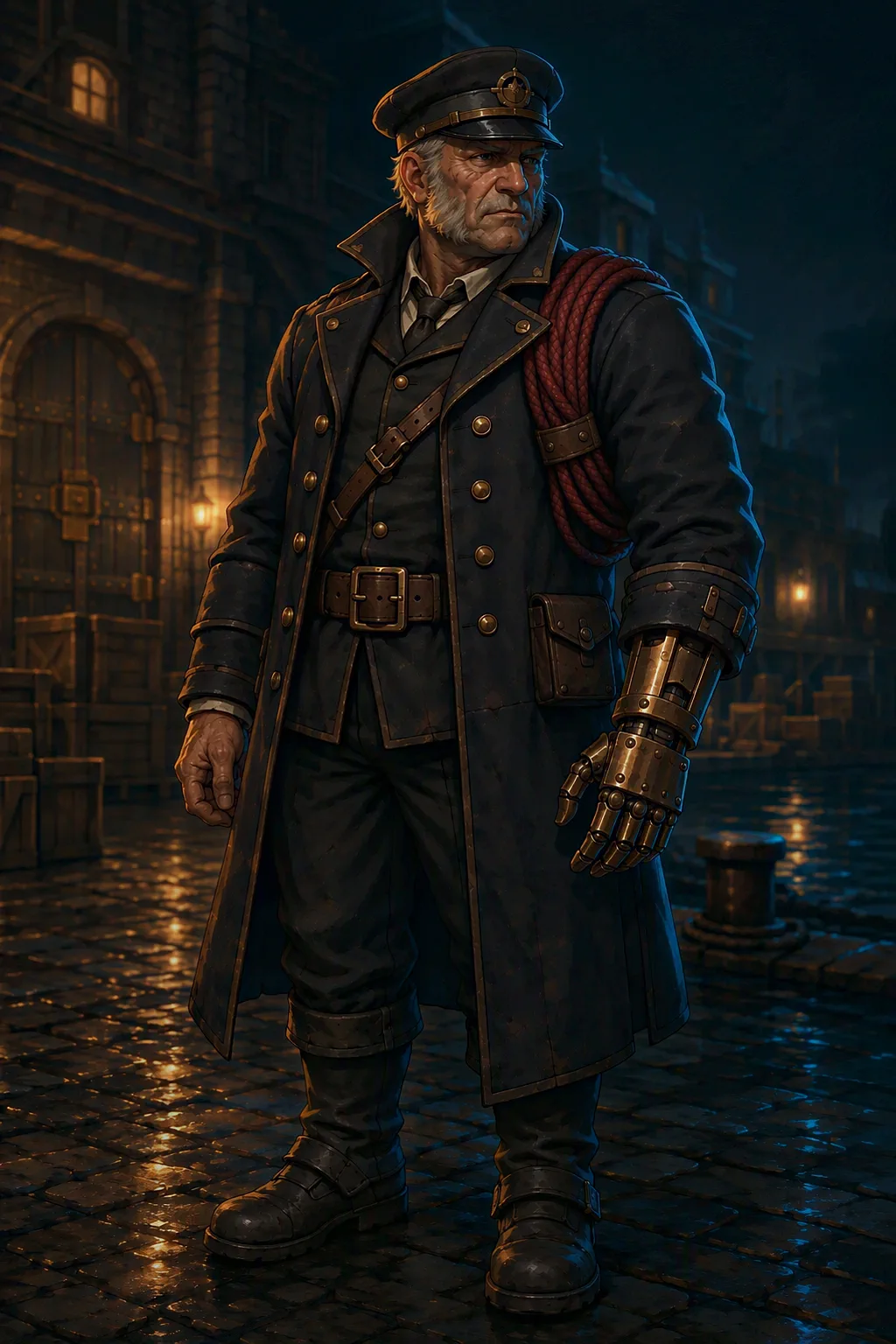
Perrin Vale is an Excise sergeant, sixty, the only licensed handler in the story, honest in the way of a man who has decided which crimes he is paid to see. He has one brass hand. In Gullet that detail matters more than his rank.
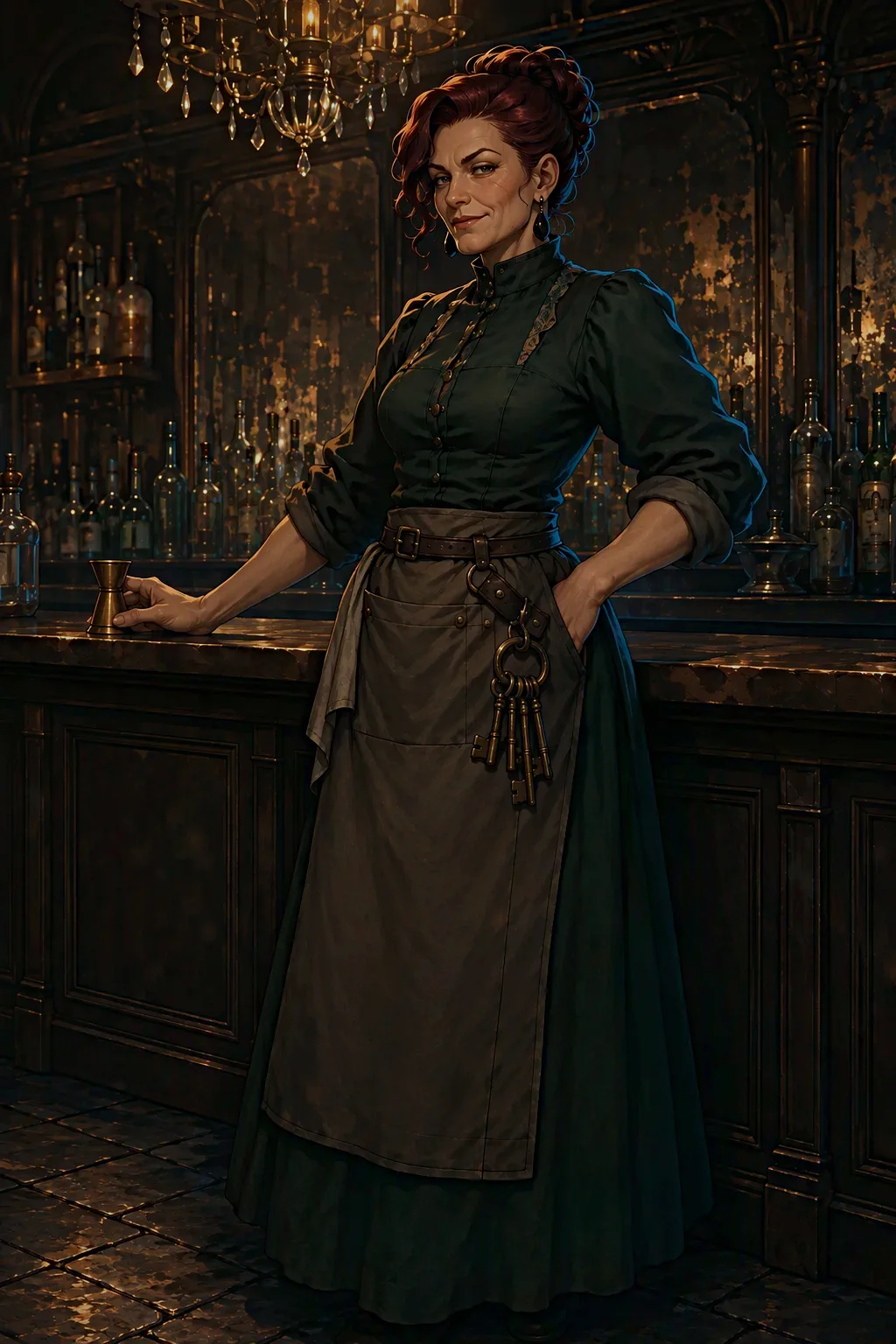
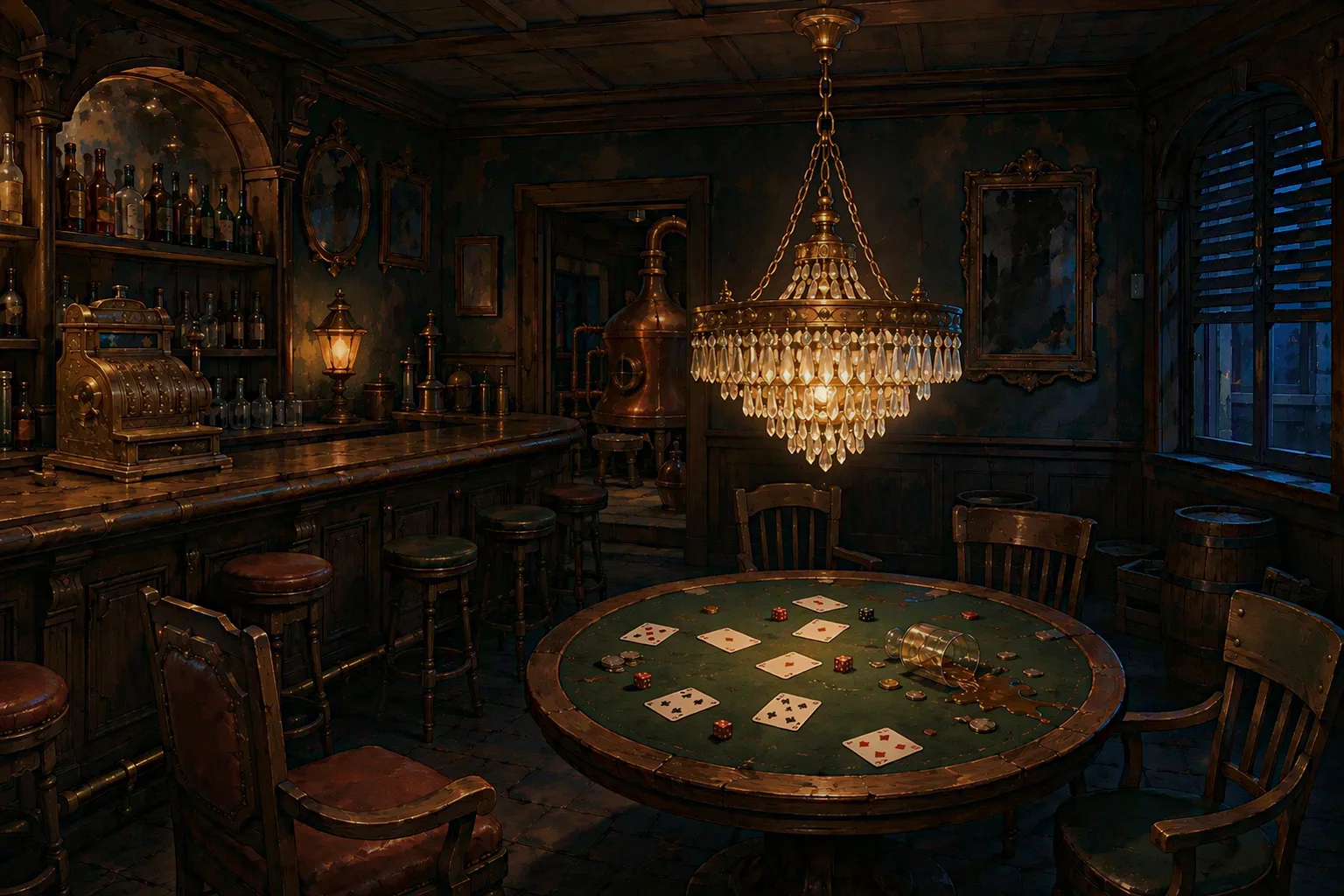
Nell Corrow runs the Gilded Gullet gin palace and the stills behind it, buys gulls, sells gin, and keeps the books Dunmore doesn't get to see. The still bear is hers. The chandelier peacock is her ceiling.
Out past all of them is the Master of the Launch, the smuggler king, never on shore — whose ship is a whale with a bronze cannon for a head, and whose enforcer on the outer wall is a walrus with two deck harpoon guns for tusks.
The ugliest law in town is the one nobody has bothered to write down
A person is not a gull and has no made half — unless they carry one. A hook hand. A brass jaw. A peg leg. A plate in the skull. Gullet's law does not distinguish, and everybody knows exactly what that means: red line through the hook, and the man goes where the hook goes and obeys the hand on the line precisely as a gull does. He is freed exactly as a gull is freed, too.
The town keeps two hard edges against itself. Tally, the boy bookie at the Rat Ring, is ten years old, and is never in a fight and never roped. And the line never reaches the bedroom: no line, no hitch and no command ever mediates intimacy, and any attempt to use one that way simply fails on the page.
This is a story rated for players 16 and over. There is pit fighting, gin, opium, smuggling, knives and red-lantern doorways, and violence that is quick, specific and always has a price. Nobody monologues. A cork rat is funny right up until it chews your line.
Forty pages, five grades, and a book no single belt has ever filled
The pit book is the bookies' register of every gull that has ever fought or worked this harbour — forty entries, graded by what they are made of: cork, tin, copper, iron, gold. A gull that is off the book is a rumour until somebody ropes it.
You will meet a toad who is a pewter hip flask and carries a nip for you; a magpie whose feathers are a shuffled deck of cards; an armadillo who is a brass cash register with the drawer half open; a bull who is a riveted ship's boiler venting steam from its nostrils; a giraffe whose neck is a dockside crane, hauling whole crates over the excise wall. And, under the vault stairs and never by day, a gorilla whose chest is a black-lacquered bank vault door with a gold combination dial — the thing that keeps the town's money.
Handlers keep their own tally against the book. A full book has never been held by one belt. You have twelve rings and a debt.
Whatever you get red line on is yours and it obeys. Whatever the line lets go of is gone.