
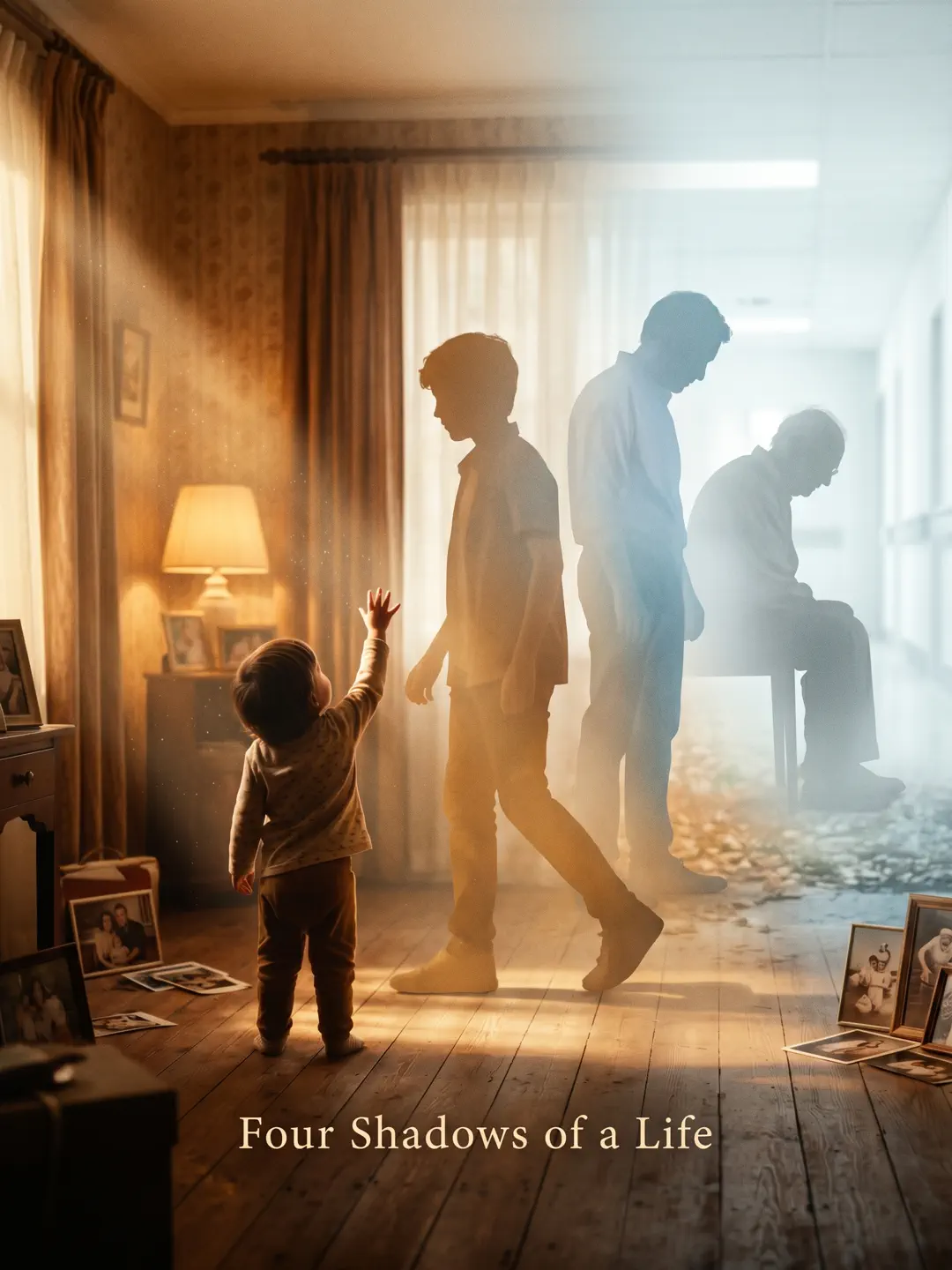
Four Shadows of a Life
You are born into warmth, ceiling light, and the voices of people who will love and disappoint you. From that first breath you move through childhood, adolescence, adulthood, and old age, making choices that braid into a single finished life — and then you meet the end of it honestly.







By starting, you agree to our Terms of Service, Privacy Policy and Refund Policy.
The choice that ruins you looks like nothing at the time
Stay for the second drink, or go home. Call her back tonight, or leave it for the weekend. Tell him the truth about the money, or don't. That is the register this story works in, and none of those moments arrive labeled. Four Shadows of a Life runs one ordinary human life through a recognizable contemporary world — no magic, no afterlife, no tally at the end — and its whole bet is that inside a life you cannot tell which decisions are the enormous ones.
Some choices that felt like nothing set the shape of everything after. Some that felt like the end of everything cost you nothing at all. You find out which was which the way people actually do: late, sideways, and usually from someone else.
You start with no power at all, and the story means it
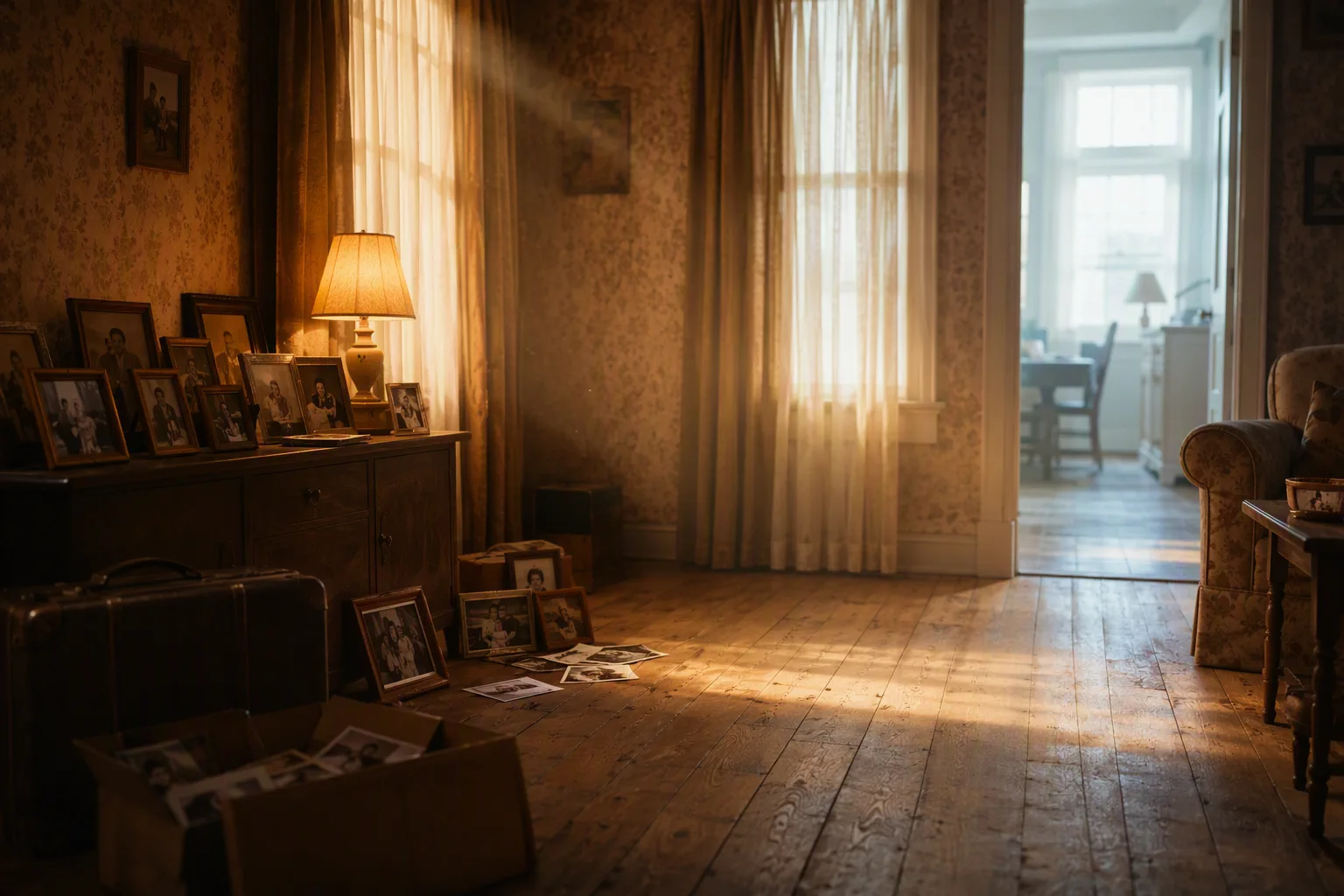
The opening scenes are pre-verbal. Warmth, ceiling light, blurred faces, a voice humming, the smell of clean cotton, the weight of being held. What you can choose is to turn toward a face or away, to cry or settle, to reach or not. That is the whole menu. What those beats are really doing is assembling the household around you — who is present, what their hands feel like, whether the home is steady or fraying — so that everything the rest of the life pushes against is in place before you had words to object.
Then time starts moving at uneven speed. One afternoon can run minute by minute; a decade can pass inside a single paragraph. The jumps are never announced. Your knees hurt on the stairs now. The kitchen has a different fridge. She's been gone three years. You reconstruct the jump from the furniture and the body, roughly how memory does it.
The cast is not handed to you — it accumulates
Nobody here has a name before you meet them. Each recurring figure is invented concretely at first appearance — a name, a face, the clothes they were wearing — and then kept across decades: aging, moving, carrying unfinished business with you.
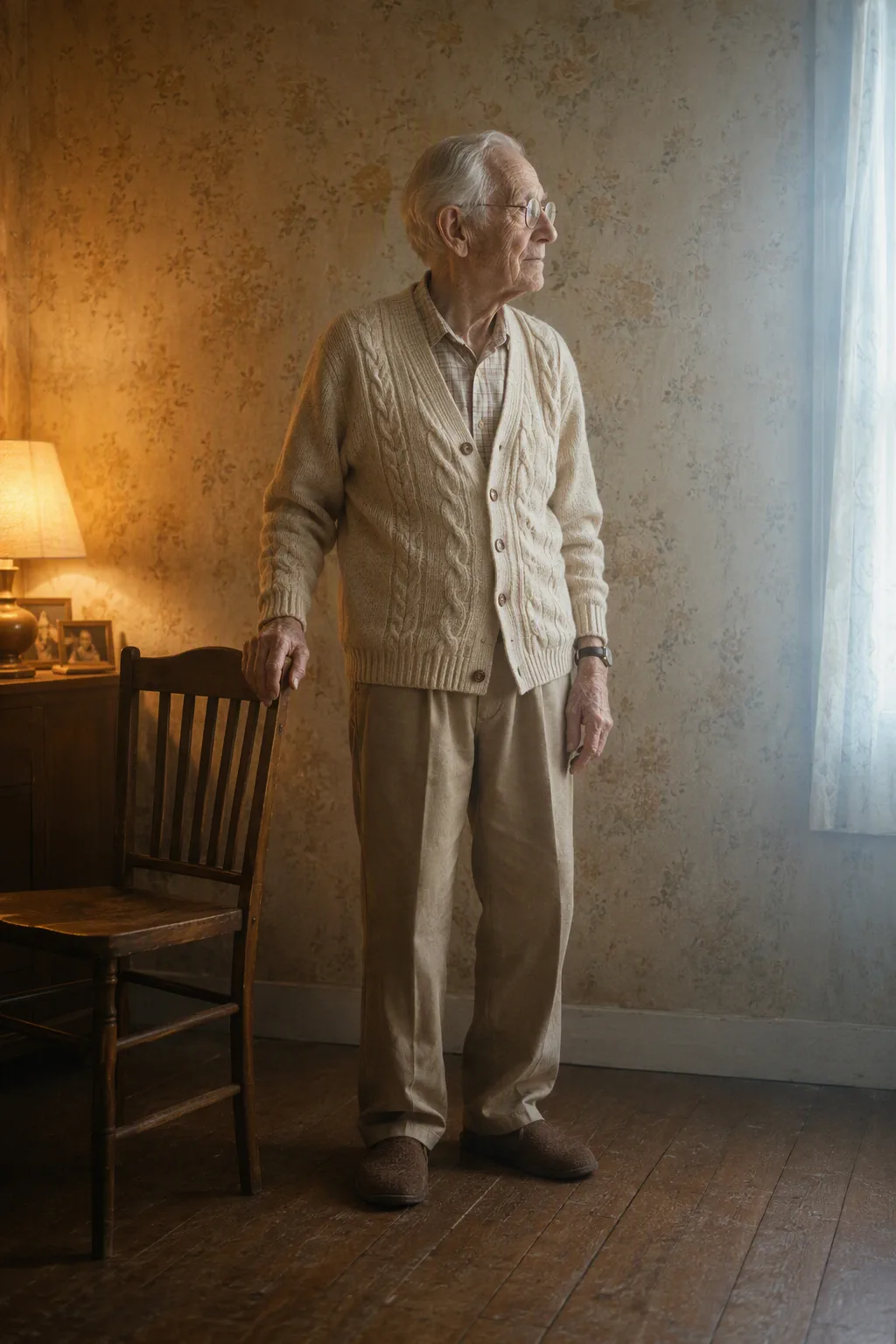
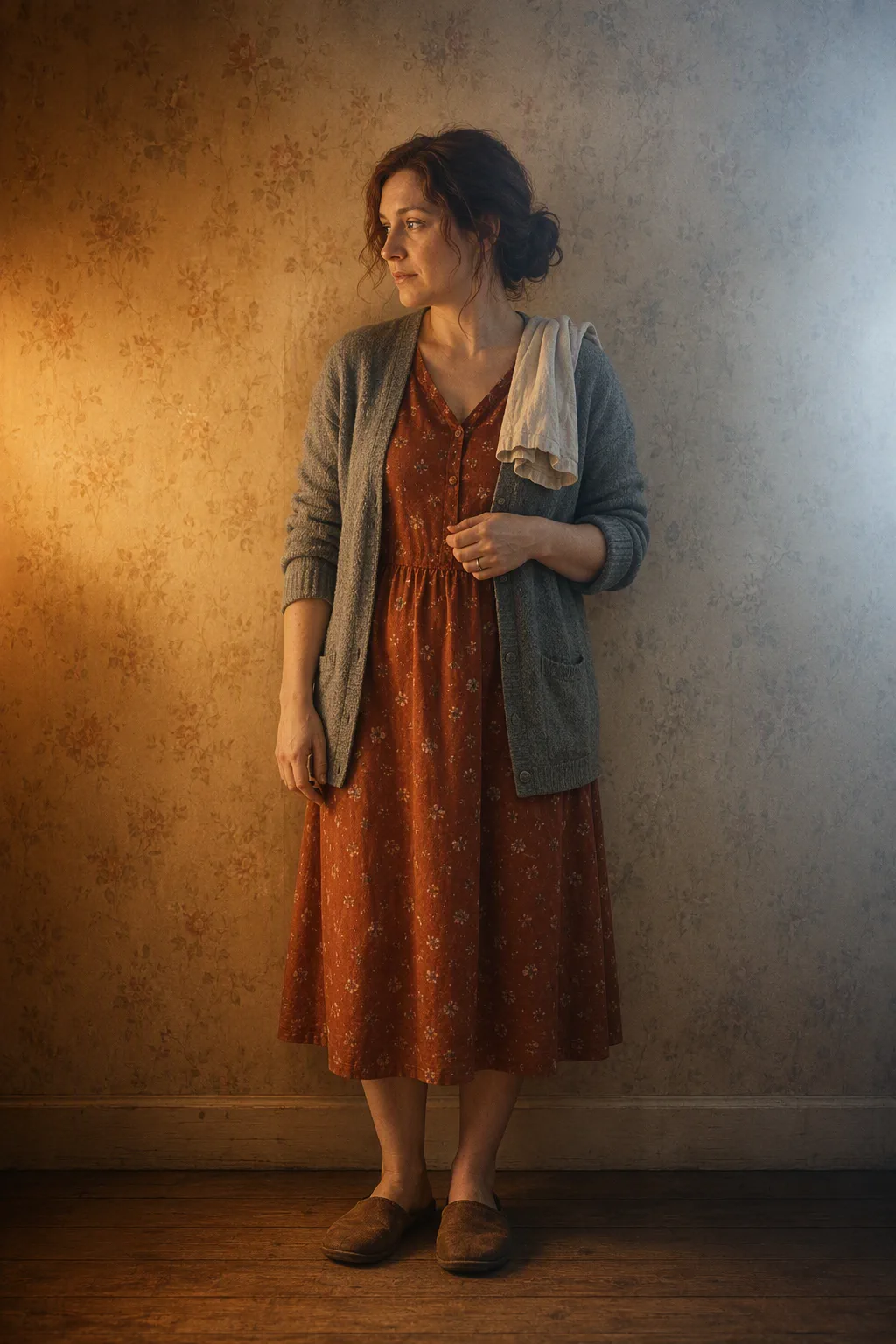
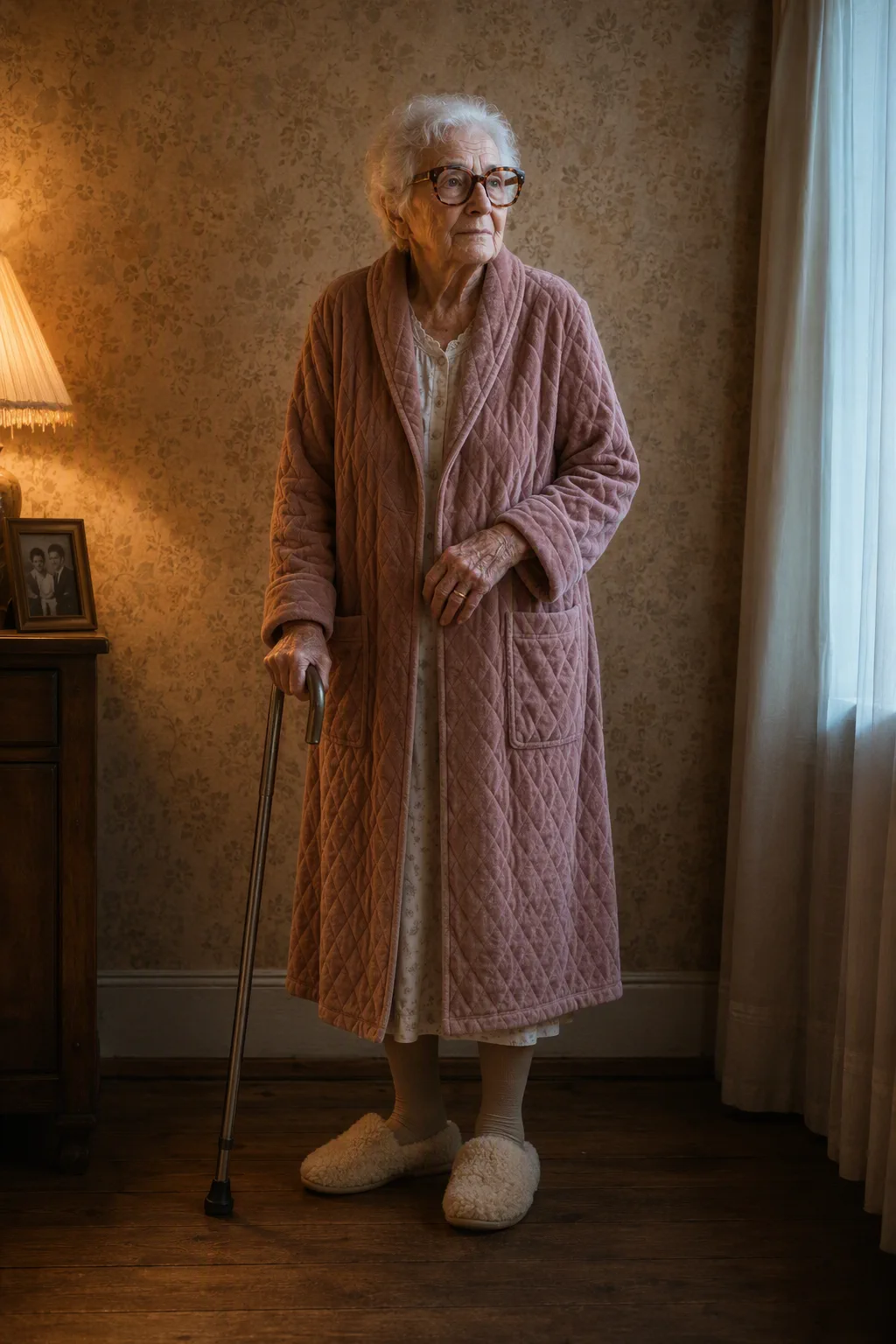
A parent who loved imperfectly and becomes frail in the third act. A sibling, or someone who stood in for one, whose life diverges sharply from yours. A first friend from childhood who either stays forty years or vanishes and comes back exactly once, at a funeral or in a grocery store aisle. A first love who is not necessarily the lasting love. A mentor or rival from working life who sets the size of your ambition. A person you hurt and never made right with.
They are also where the story's arguments live, and it settles none of them for you: ambition against tenderness, what you chase against who you are present for; how much of your parent you become; staying or leaving a town, a marriage, a version of yourself; truth against kindness when somebody needs you to lie a little. The dialogue makes this harder. People interrupt, talk past each other, and rarely say the thing they mean on the first try. Two people who love each other are allowed to sit in silence.
What actually changes when you play
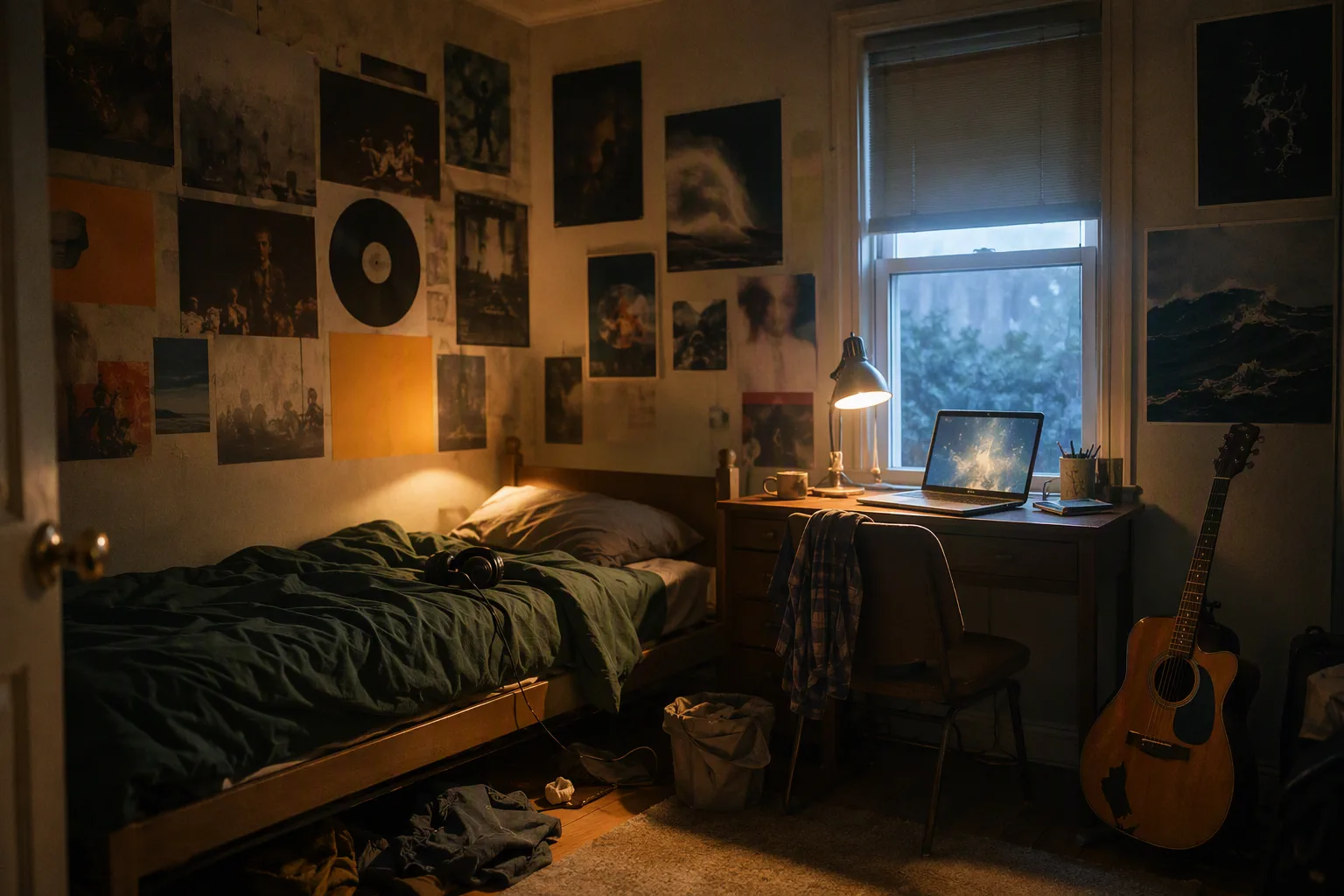
Agency is a curve here, not a constant, and that curve is the mechanic. Infancy gives you almost nothing. Childhood gives you small loyalties and small betrayals — first lies, first chosen kindnesses, first secret shames. Adolescence is where choices start costing: who to love, who to hurt, what to risk, and the first promises that can actually be broken. Adulthood is the heaviest stretch, where work, partners, children or not, and the tending or neglect of the people who raised you compound into a shape. Old age narrows the scale and widens the meaning — reconciliation, confession, forgiveness given or withheld, the decision of what to pass on. At the end agency drops back to almost nothing, and the only choice left is internal: what you let yourself remember, and what you release.
Every beat offers two or three options, phrased as human decisions rather than game options. Because the narrator reads what you actually type instead of matching it to a list, you can answer with something that was never offered — leave the room, say nothing, lie badly, agree and then not do it — and it enters the record like any listed choice, to be returned to you years later.
What the story will not do is grade you. There is no optimal life, no score, no karmic accounting, and no reset button, undo, or second chance dressed as a mechanic. Consequences are delayed by years and arrive indirectly, as weather rather than verdict. Opportunities expire: a promise unkept in youth cannot always be kept later, and a person you did not visit may die before the next visit. That is not the story punishing you. That is time.
The world keeps moving whether you are watching or not
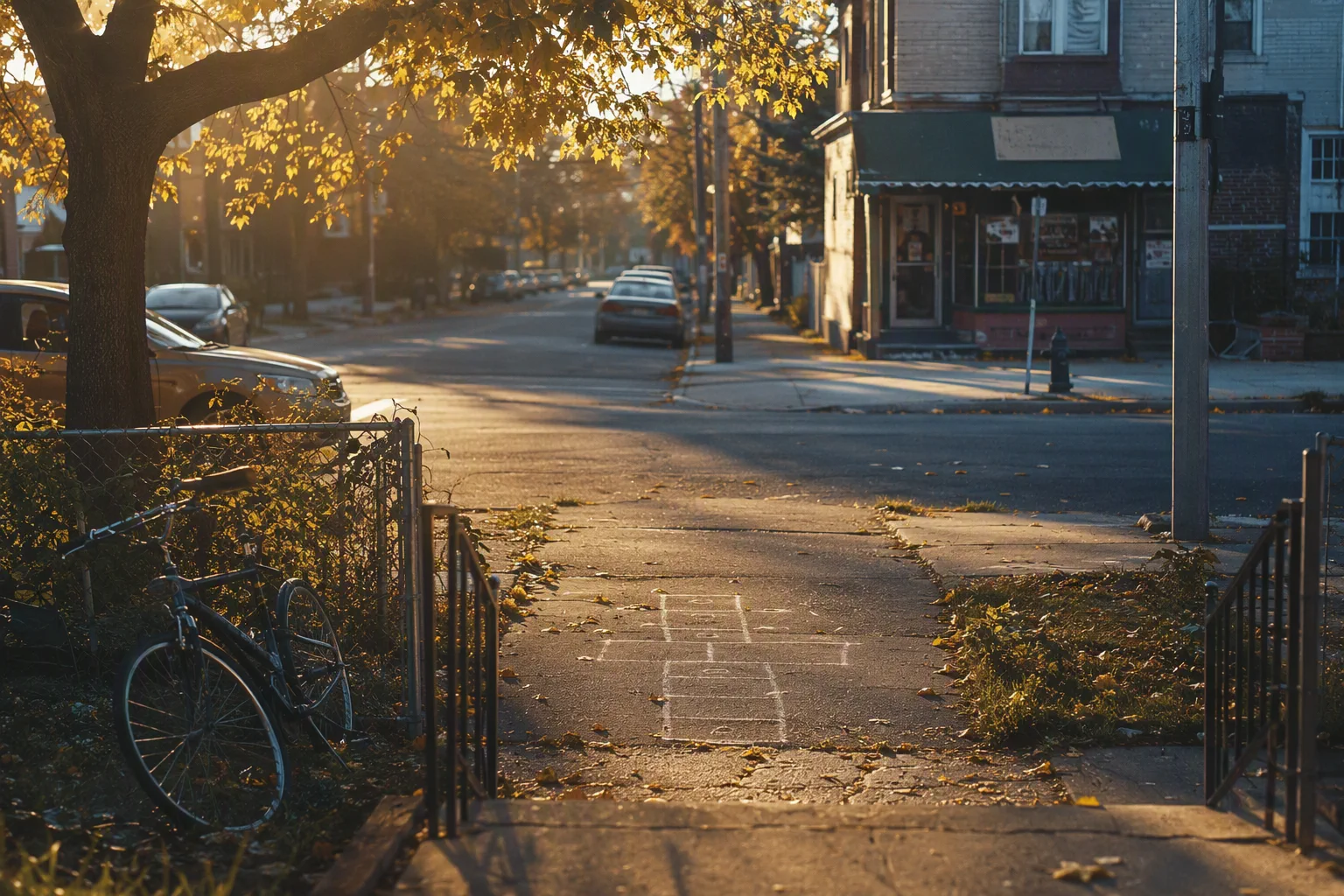
The large events happen off-camera and reach you as most people receive them — as news, as rent, as a changed street. A factory closes; a recession arrives, then a boom. There is a war you do not fight in but know someone who did, and a technology that turns up and quietly reorganizes the day. The corner store becomes something else. A tree comes down.
The slower textures land harder. Your slang ages out. Music you loved becomes nostalgia, then something playing in a supermarket twenty years later. An old teacher dies in one paragraph. A friend stops answering messages, with no scene explaining it. Children look blankly at a reference that used to be common property.
Before you start
Can I get this wrong?
Not in the way games mean it. Nothing is graded, no route is optimal, and every version of this life gives up something real to get something else. What can happen is loss through inaction — the person you kept meaning to call is gone, the promise you meant to keep later has no later. The story renders it without comment and keeps going.
How heavy is it?
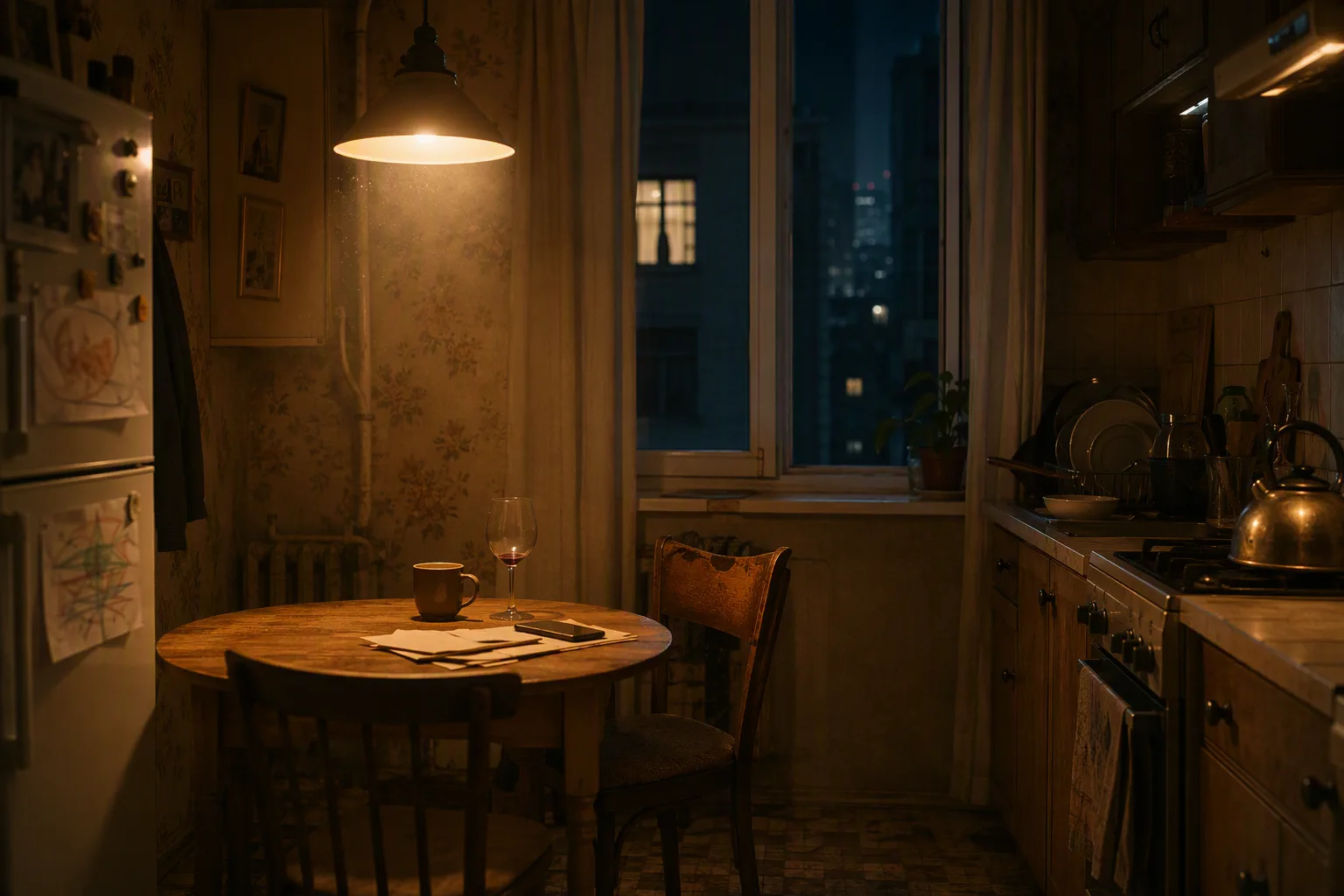
Honest about mortality and unwilling to prettify it. A life that runs to its end is the premise, and the story will not soften that with a tunnel of light or a closing summary of what you added up to. Melancholy is not the only register. This story spends real time on long afternoons, on a kitchen at eleven at night, on ordinary joy without irony. It is tender and unsentimental at once — the prose loves you without protecting you.
How long is a whole life, and can I put it down?
Medium length — a few sittings, not one — and resumable, so you can leave mid-decade and come back. Inside a session the clock belongs to the story: it compresses hard through stretches with nothing to say and slows to minute-by-minute when something does.
If this is your kind of story
This one sits on the philosophical shelf beside the melancholy one, and it is contemporary in the strictest sense — no chosen ones, no other world, just rooms you have already stood in. If being asked to account for a life appeals but you want it stranger, Before the Last Door stages it as a trial in a courthouse without edges. For the same quiet register with the frame pulled back a step, The Reader Outside the Page puts you on both sides of the text at once. Start here for the plain version. The first thing it hands you is a ceiling light, the smell of clean cotton, and a voice humming somewhere above you, and it takes seriously the idea that everything else came out of that room.
