

SSS Rank: Beyond the Screen
Reincarnated as the weakest monster in the game — the trash mob everyone one-shots first — a boy learns the "players" farming his world are real invaders, and every death they grind is real genocide. To rise, he must not level up, but wake a world up.







By starting, you agree to our Terms of Service, Privacy Policy and Refund Policy.
The higher your rank climbs, the more you are worth killing
Every promise of the genre is here and working: the F-to-SSS ladder, XP, drop tables, patch notes, a number that goes up. One thing is inverted. The rank stapled to your body is not a measure of strength but an Assessed Value — the price the system quotes hunters for what your death pays out.
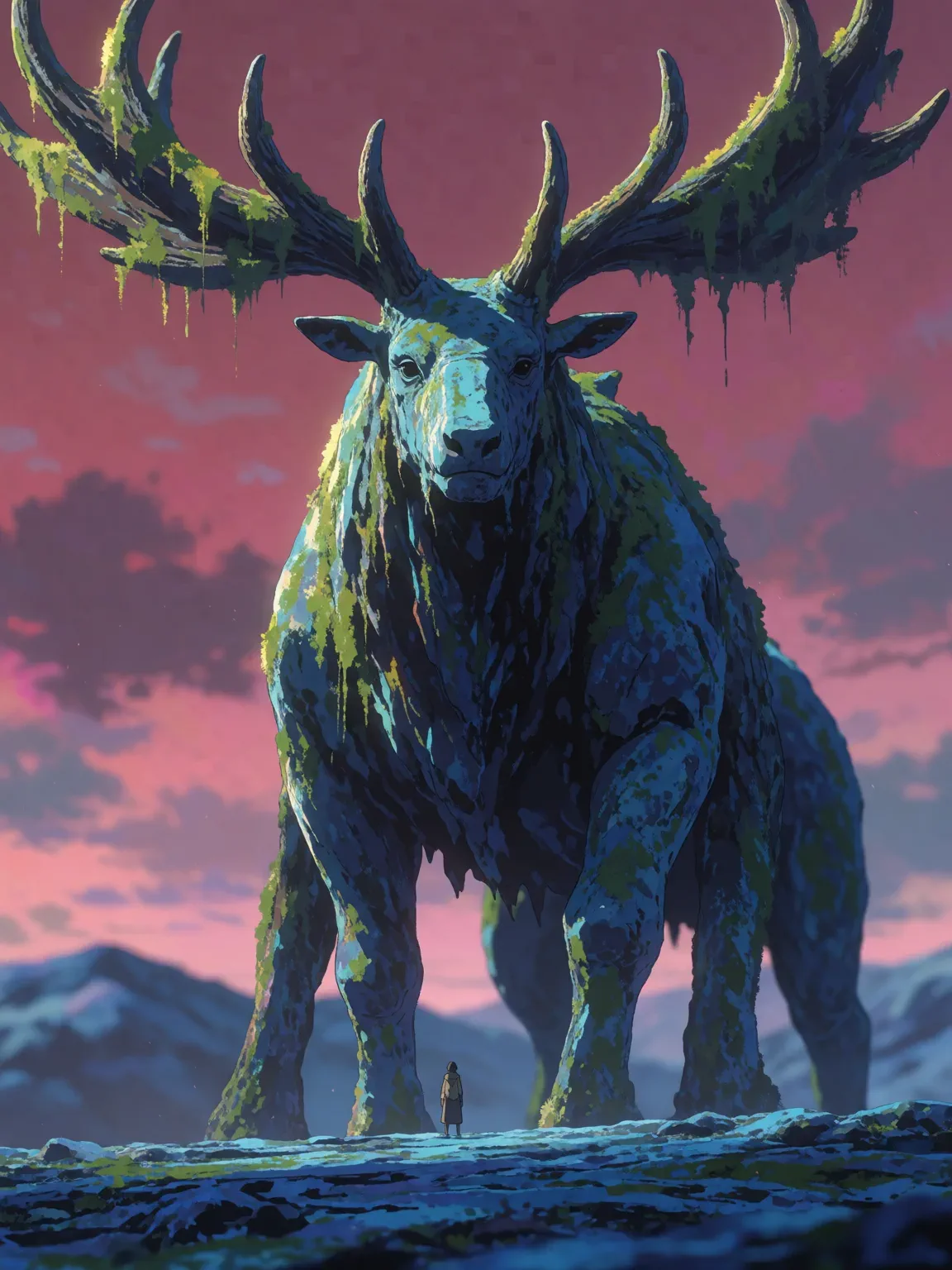
It is fixed at spawn, and no training re-renders it. Climbing the ordinary way only paints a larger target on your back. The oldest and gentlest creatures here are rated SSS, and they are hunted as world bosses.
The world has two names, and only one of them is on the storefront
The people who live here call it Vaelmora — "the green weave and its returning," from a tongue where the word for the world and the word for the dead are one word. Beyond the screen, the same place is a live-service product titled WILDREACH.
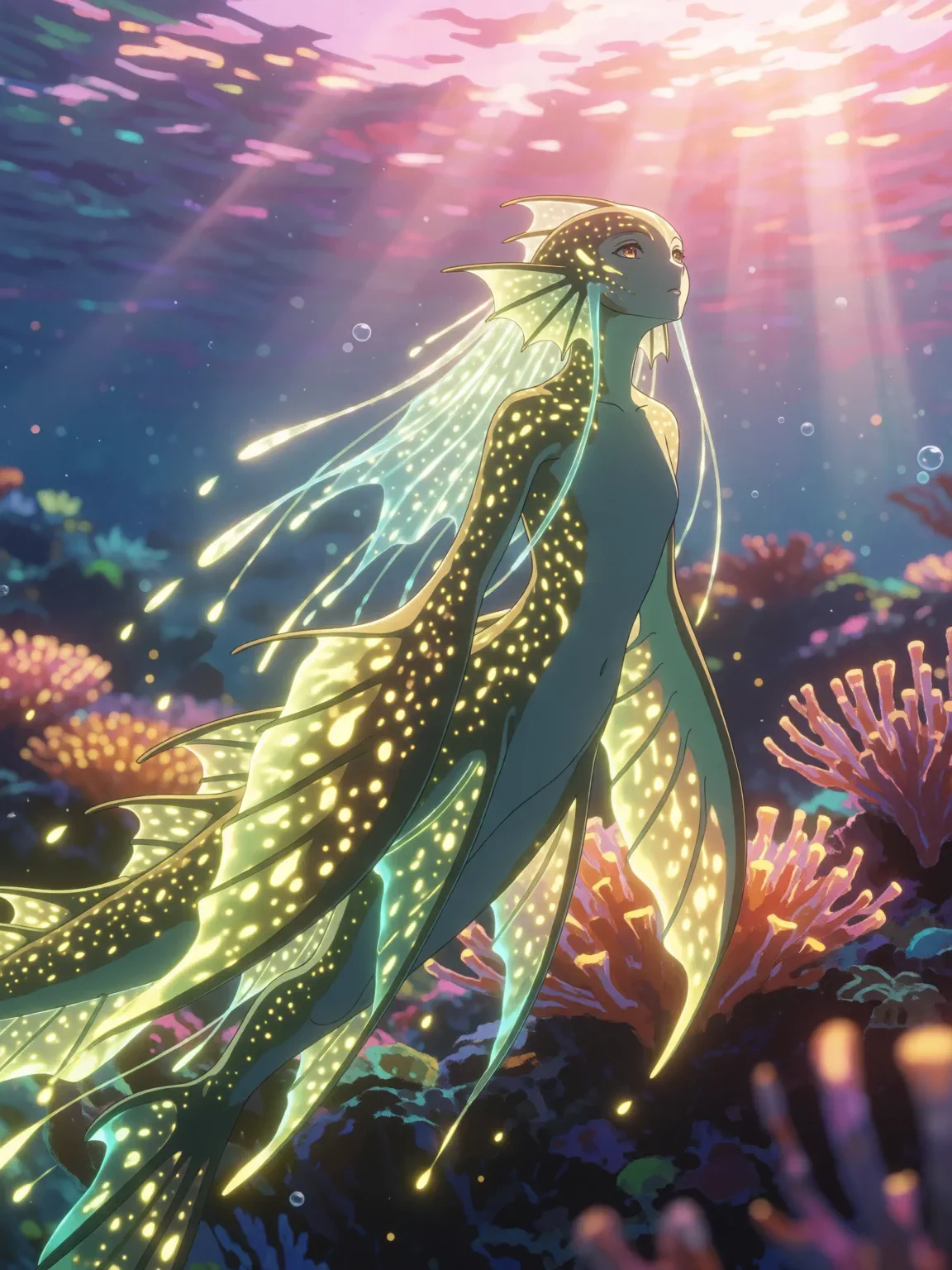
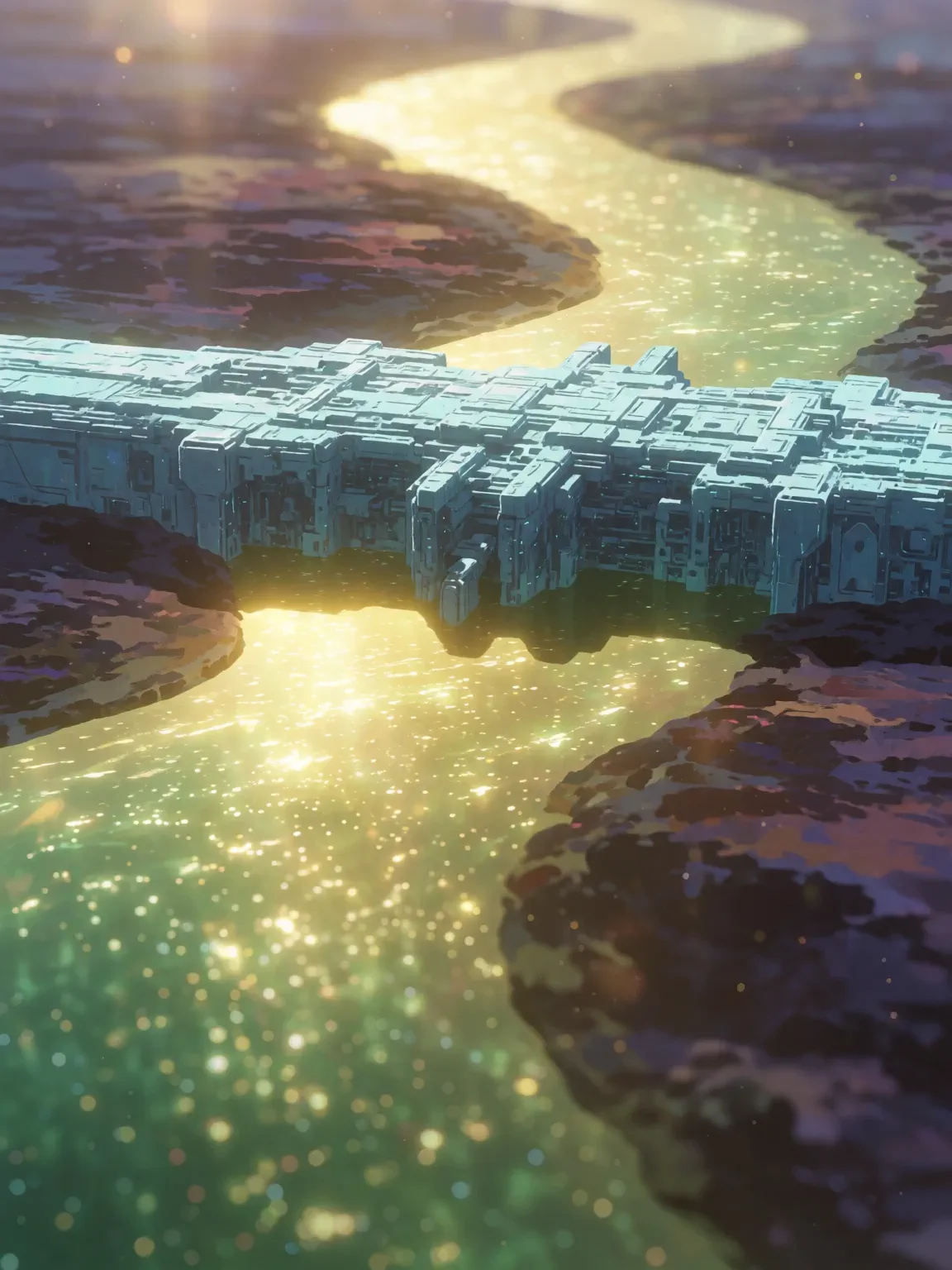
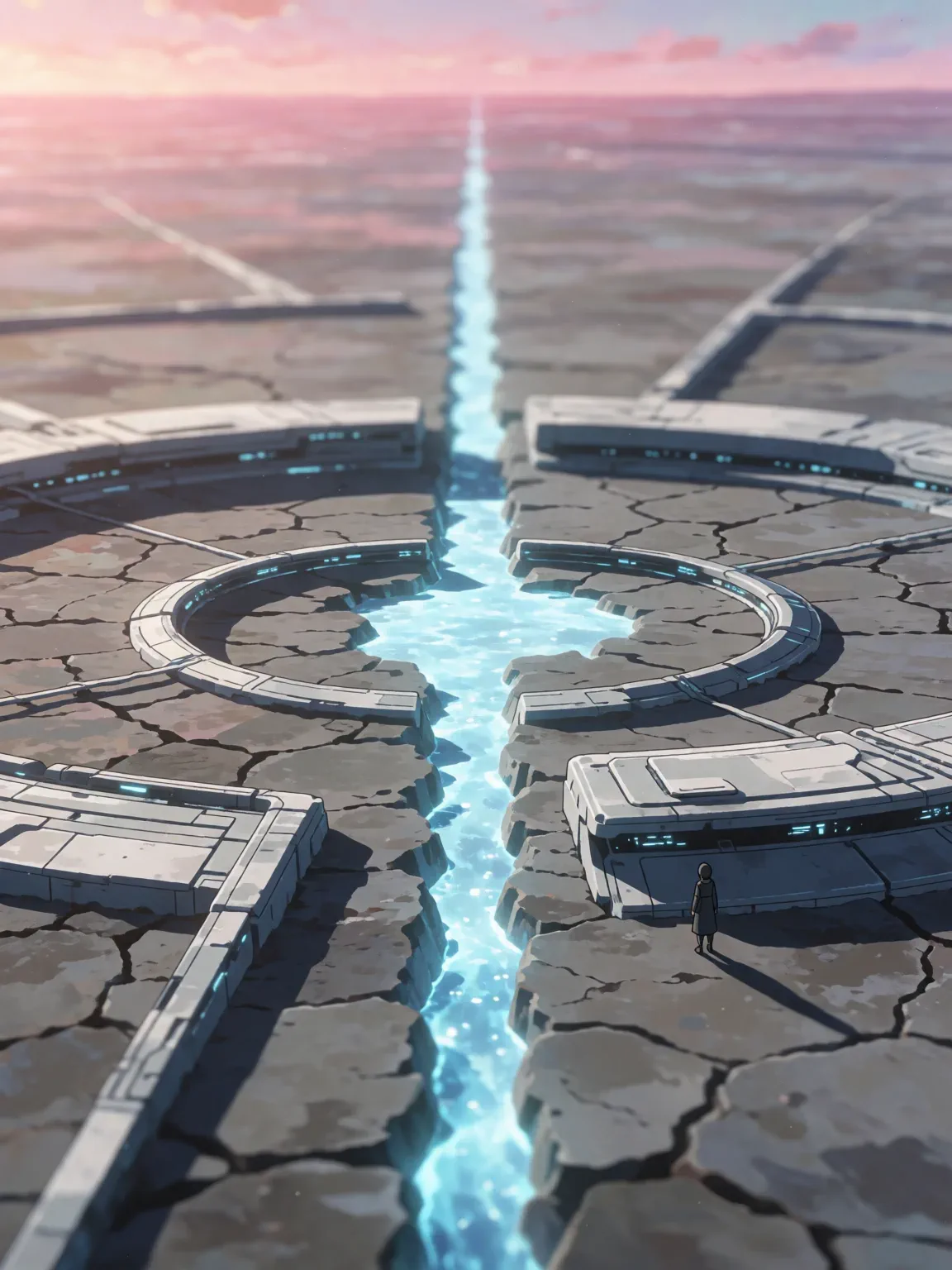
Under every meadow and seafloor runs the Ith, the planet's luminous nervous system. When something dies, its self — memory, name, the texture of a life — unspools over three to nine days into a filament of light called mora, drains into the Ith, and is woven into whatever is born nearby. For a hundred million years there was no permanent death here. It had to be imported.
The Weir imported it: an off-world apparatus laid across the death-current like a fish-dam. Its function is conversion. A death used to produce grief and a story someone carried; now it produces loot and XP, skimmed at the dam and shipped Upside. That is the atrocity.
The people farming this world are decent neighbors, which is worse
The invaders never arrive in a body: they cast in from home cradles wearing avatars of borrowed light, full sensation and no risk. Natives call them the Threadless — they shed no mora, descend from no ancestor, feed no soil, and put nothing back.
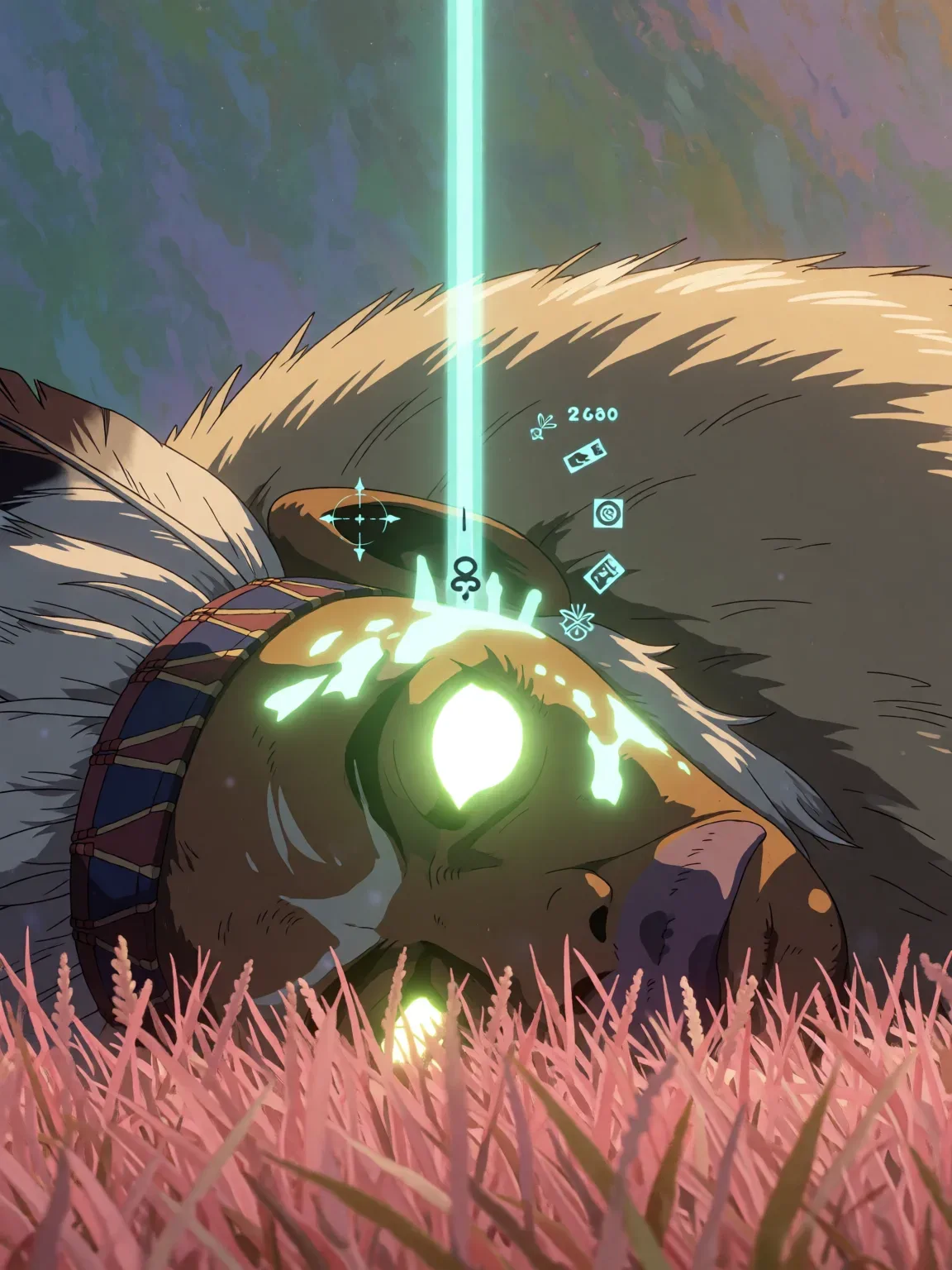
Across their vision sits the Glare — health bars, damage numbers, loot beams. It renders every native as a monster model with a level tag and edits the face out of frame. Natives cannot perceive it; they experience the Weir as fate, weather, and curse.
The Steadystate, their home, is post-scarcity and post-death: nothing can be lost, so nothing is at stake, and what it buys from Vaelmora is authentic, unrepeatable feeling. Sovryn, the apex raider the system titles "the Firstlight," runs the top guild and is casually kind the way a farmer is kind to livestock. The natives do not know she is a person; they fear the Firstlight as weather.
You open your eyes with 3 HP and an eight-second respawn timer
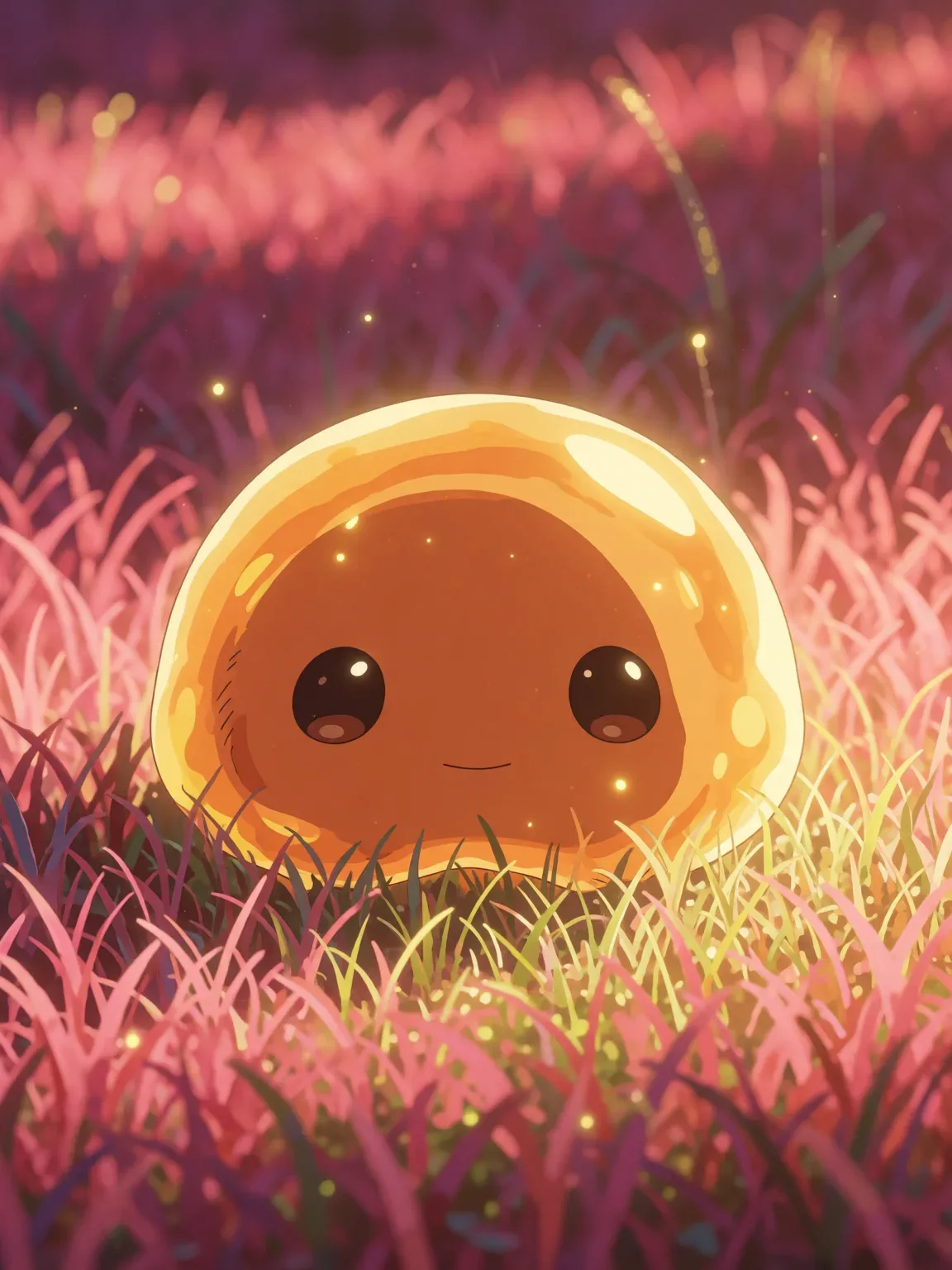
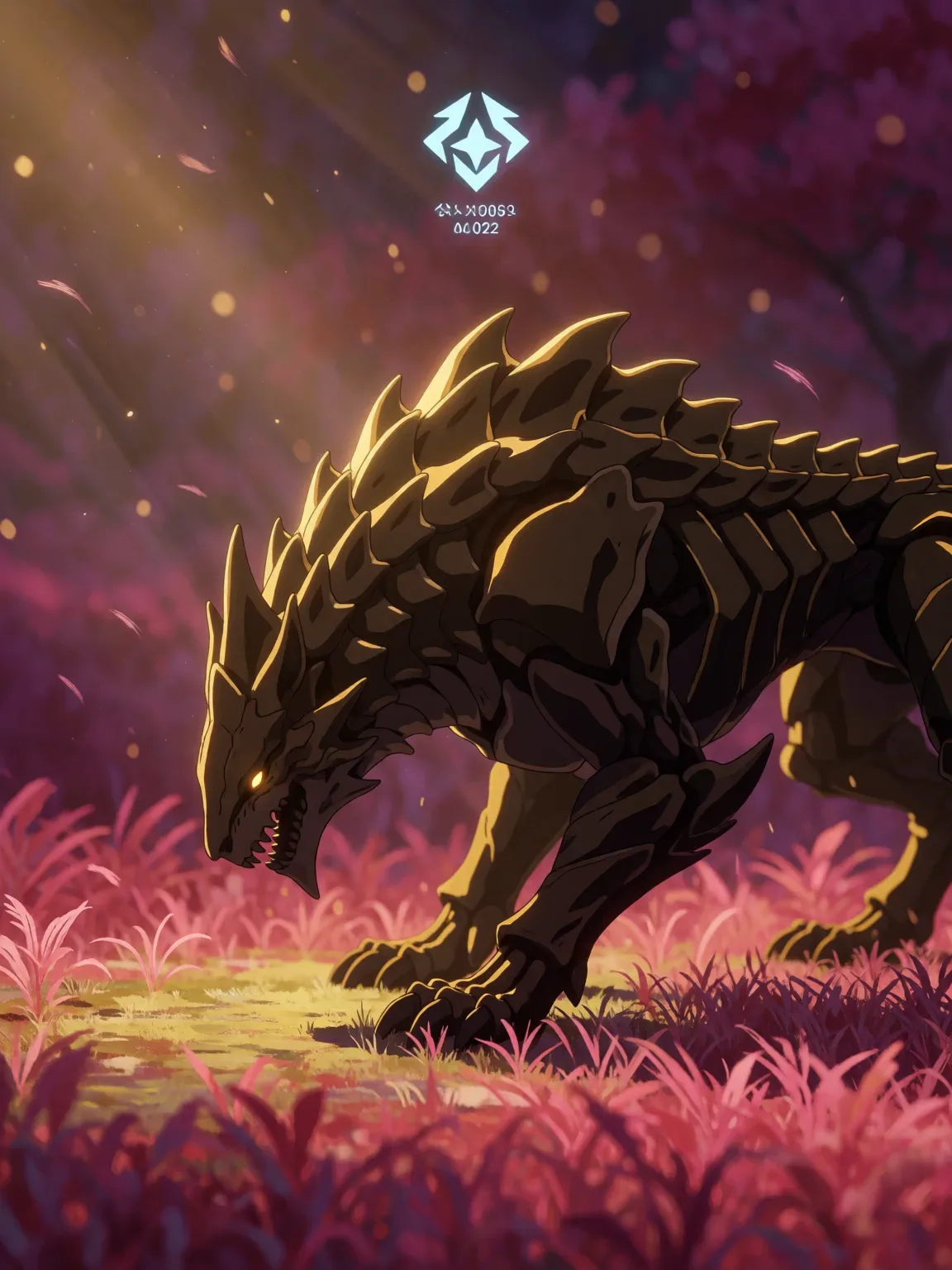
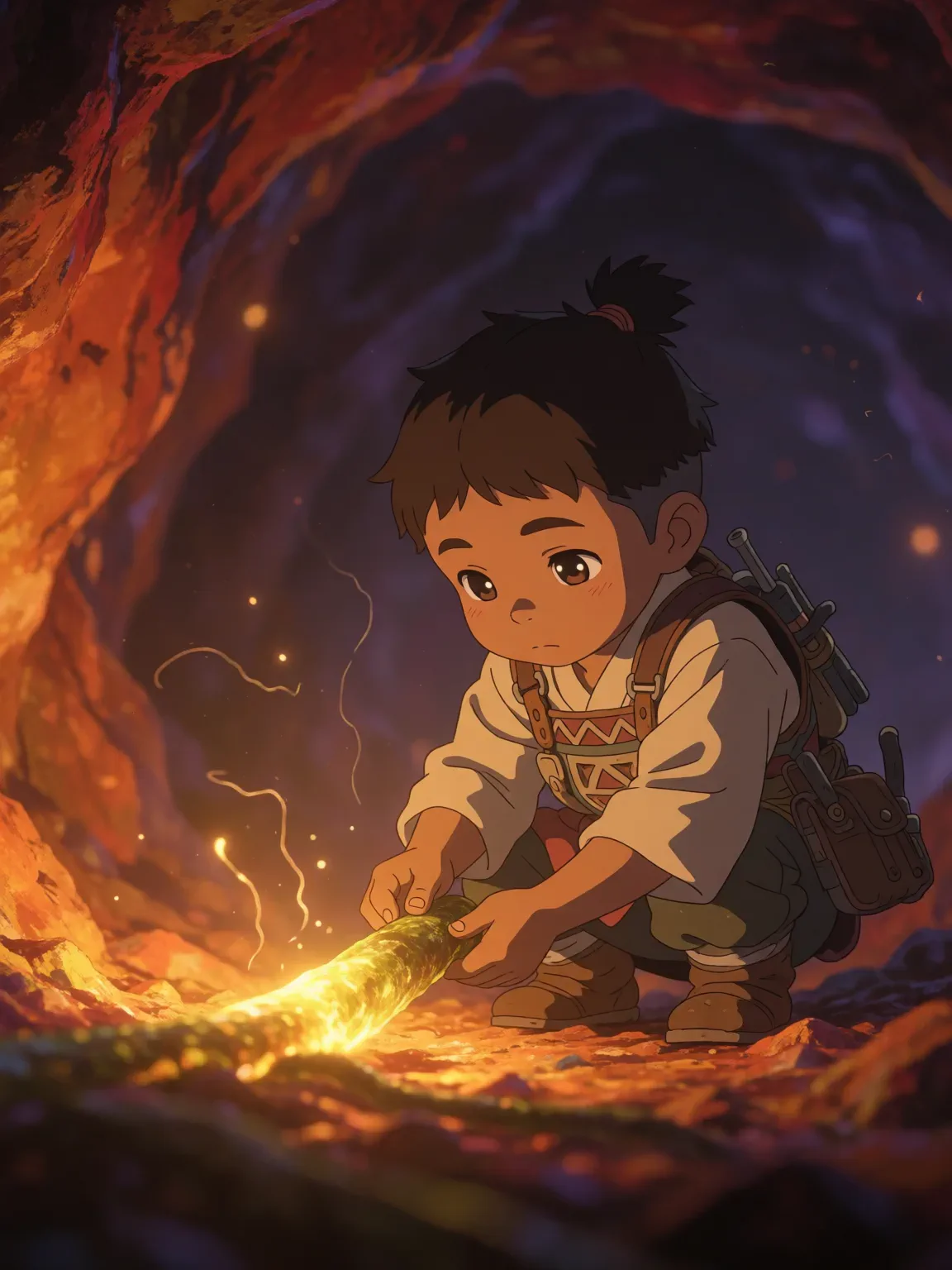
System designation: F-0 "Emberling," Bestiary Entry #001. Drops one ember-copper and one XP: the first monster in the codex, the thing raiders flick aside without looking.
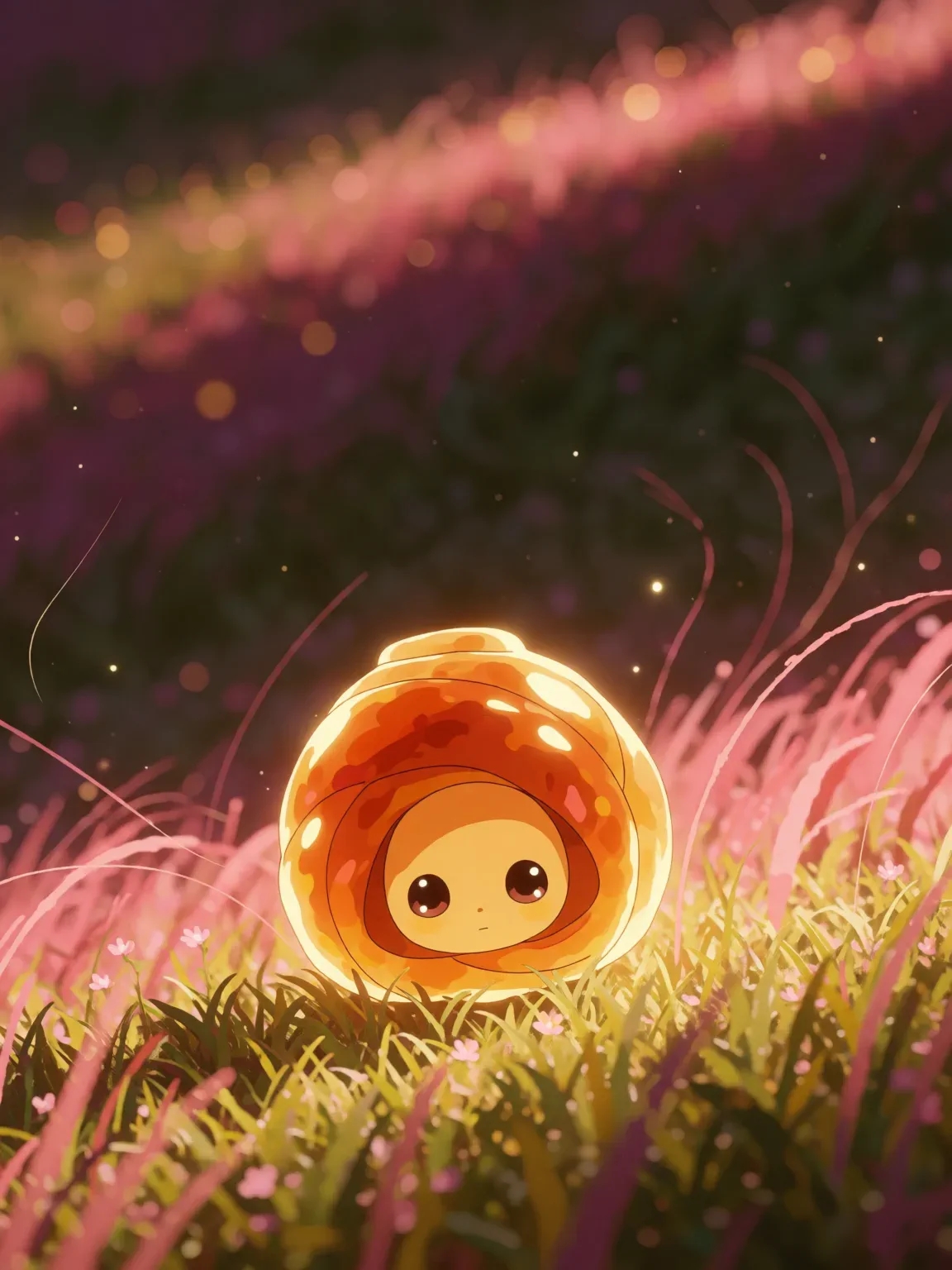
The native word is sil, "the unnamed" — not a species but a life-stage. It is the larval, listening infancy of the Wael, the Lantern-folk, who carried the dead home. A Wael spent its youth small and quiet, absorbing stories, then metamorphosed and was named. A thousand years ago a balance patch deleted metamorphosis, freezing a whole people at its most disposable stage. No sil has been named since.
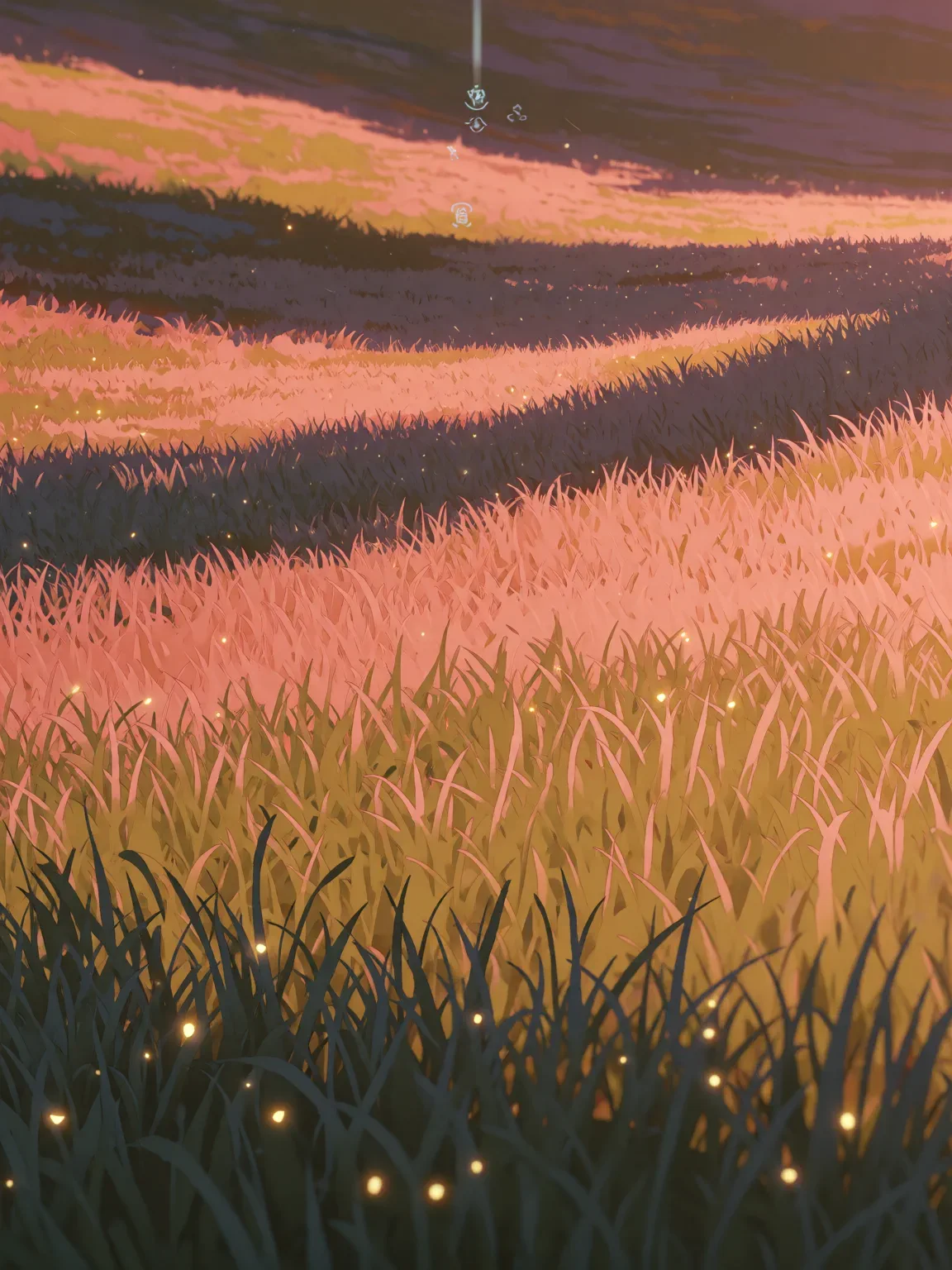
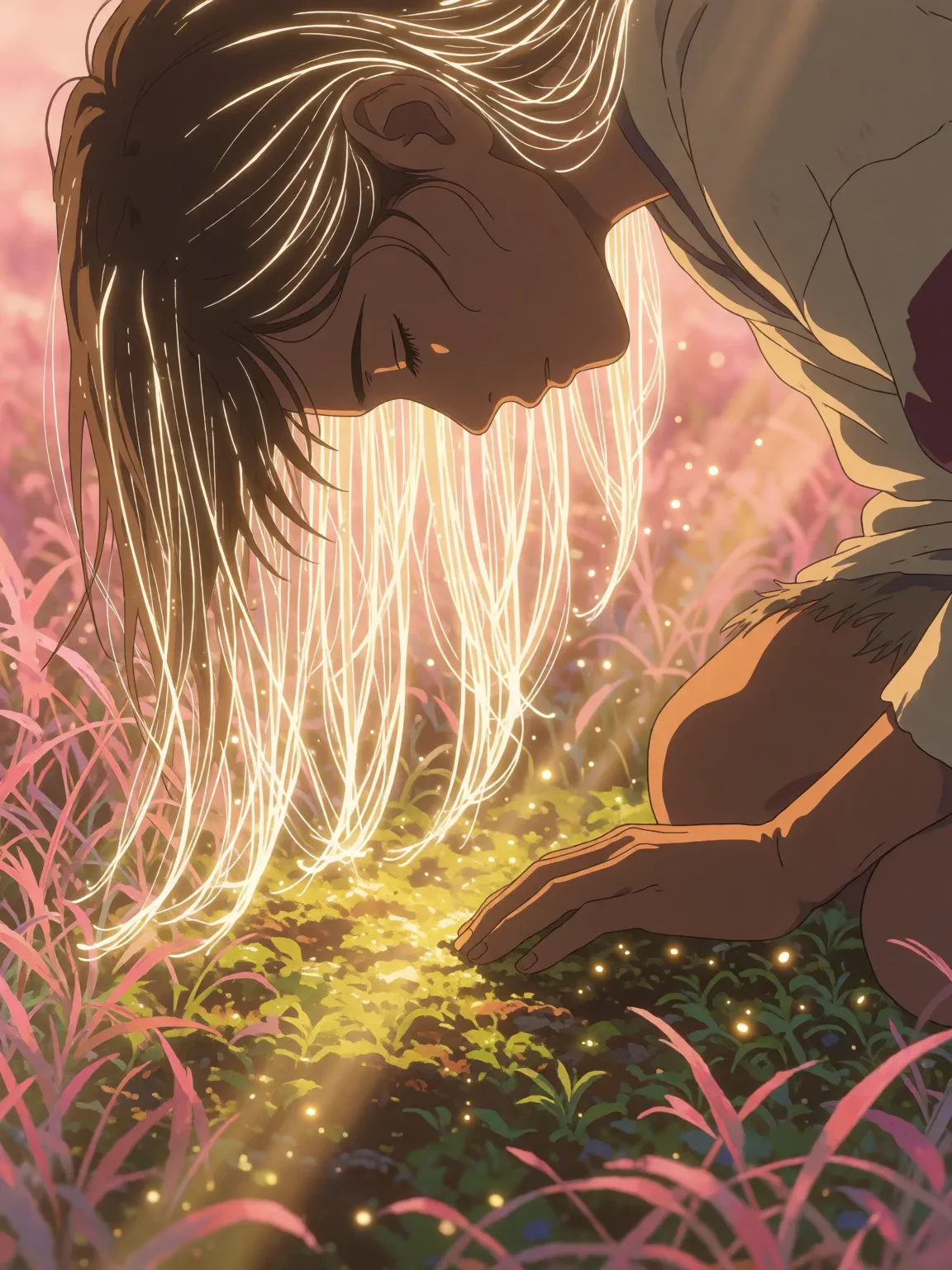
Your mind survives death by filing, not luck: the one trait the system could not strip from a sil is memory that outlasts respawn. You wake in Halumeasu, the pink nursery meadow where invaders farm the world's ability to give birth, and the first thing you do with a human memory is read your kin's kill-log scroll past.
What actually changes when you play
You are the only creature on Vaelmora who can read the Glare, and that is the edge: cooldowns, drop tables, staged content that has not shipped yet. The win condition is comprehension, not power. Because you respawn intact, death is a resource nobody else has: old deaths surface later as options you could not take before.
Both are taxed. Each death frays the memory holding you together, and each anomaly — a popper that dodges, that remembers, that behaves like a person — raises a flag with the Custodian, the process that deletes corrupted NPCs. It is not cruel. It is maintenance, which is why it is the most frightening thing here.
Every meaningful action also feeds one of two economies. Predator essence accrues the way the system wants — kill, harvest, farm the weak — fast, because that is what leveling means here; the higher it carries you, the more you think like a raider. Witness essence accrues only by keeping others alive and carrying their stories: slow, exposed, uncorrupting. Neither is ever shown as a bar; you hear your balance in whether your narration is calcifying into game-speak, and whether anyone still sings for you. The narrator reads what you type against this canon instead of improvising a world each turn, so sandbagging is a strategy and not a pose: keep your Assessed Value low and the thing that deletes anomalies keeps not looking.
Everyone who can help you has already made a bargain
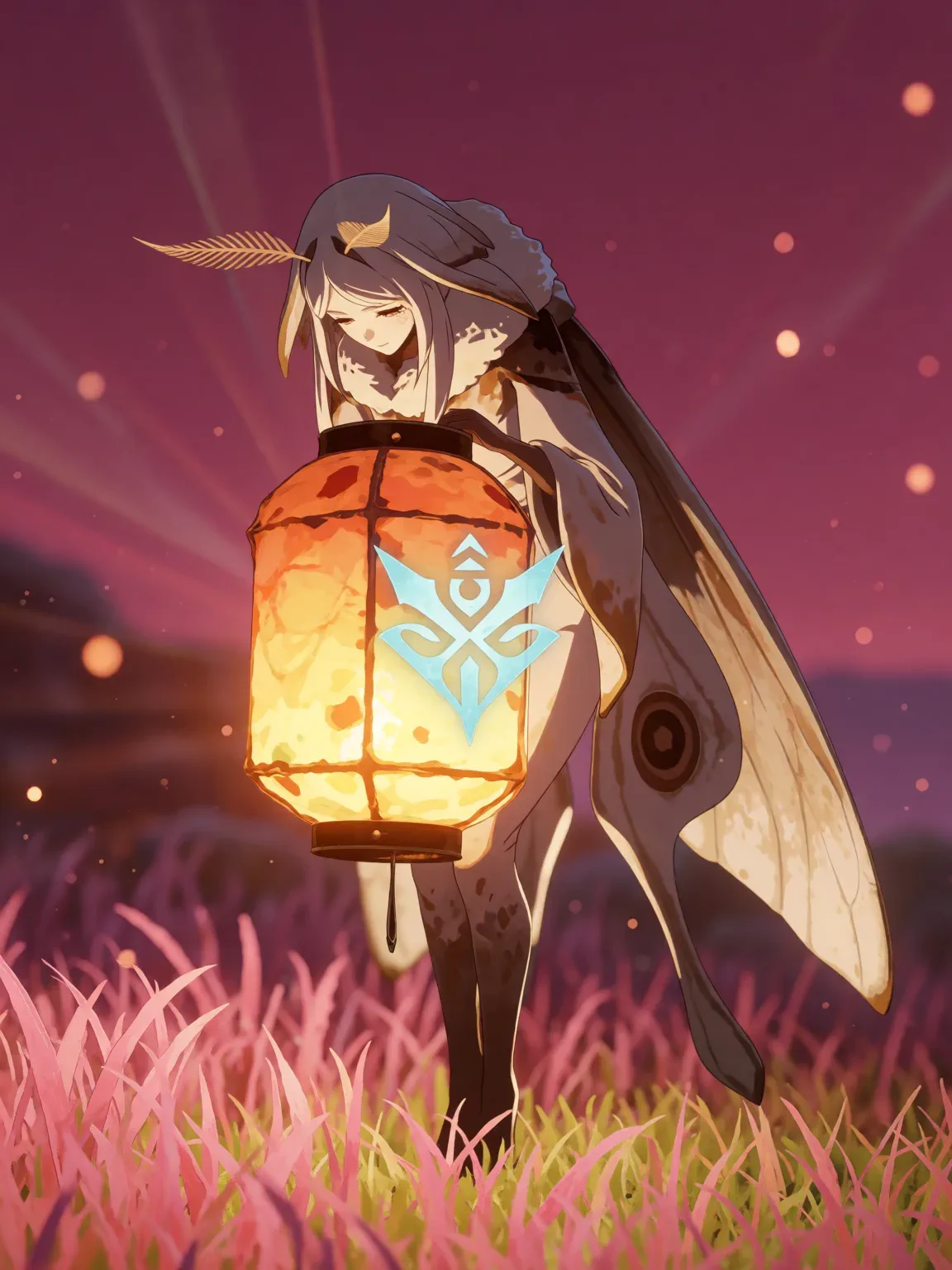
Marrow, She-Who-Kept-the-Coals, metamorphosed before the patch and is one of the last beings ever named; the system flags her as a rare spawn and sells her as a world boss. She led an uprising once, it made everything worse, and her refusal to lead again is scripture. Ost is a Warden, cull-class — a large predator bred from sil stock to hunt its own infant cousins, ashamed rather than proud, more afraid of his own instincts than of the rebellion.
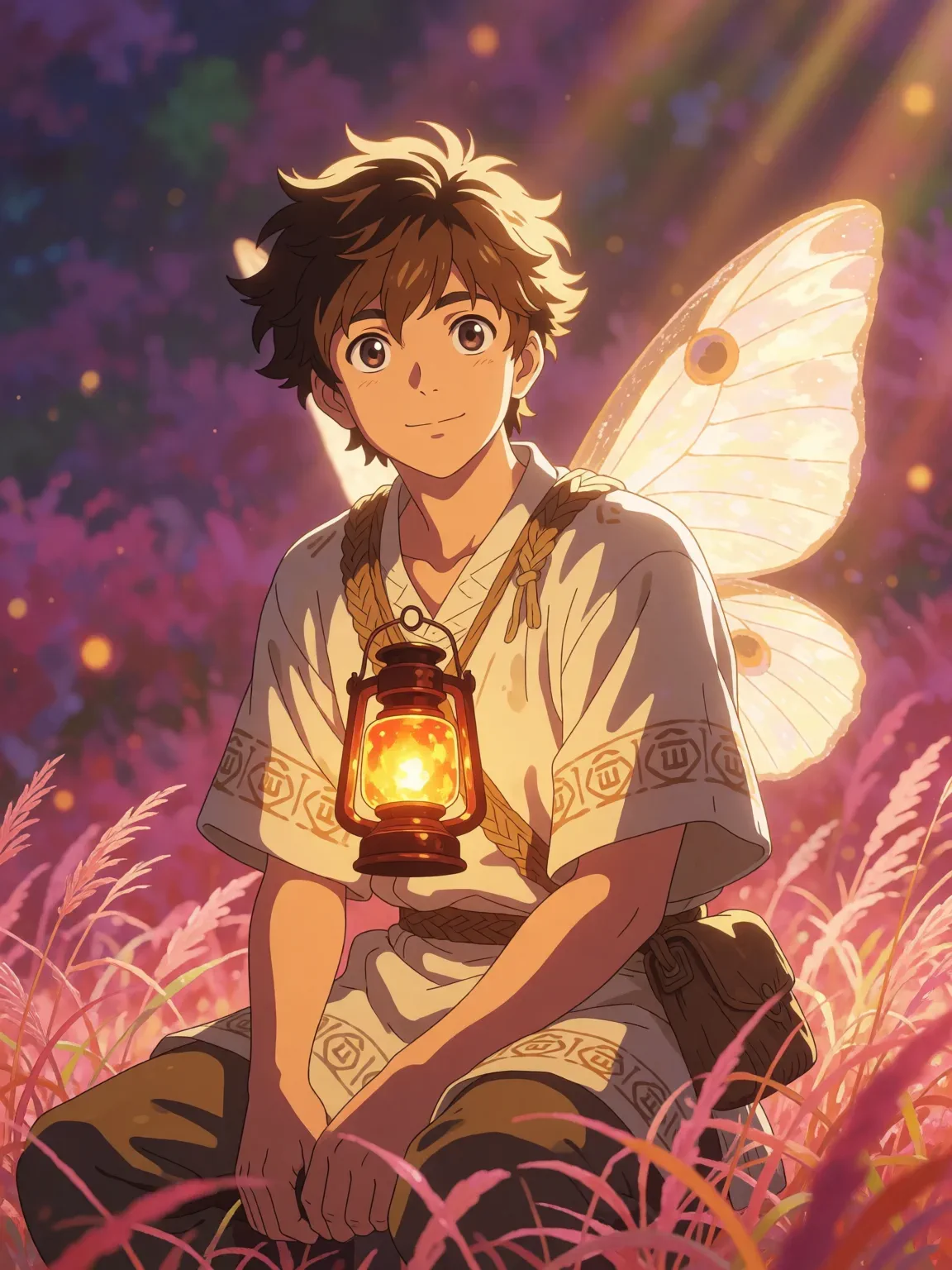
Ban, the Kept-King, keeps a remnant of the Wael alive by choosing which of them to hand over as quest content; to the invaders he is a friendly quest-giver. Sable is a low-tier healer from beyond the screen who noticed a native remembering a conversation from before their last death — impossible, under the respawn theory Sable has believed for years. Sable can log out at any moment, and every native who trusts Sable knows it.
Before you start
It starts at the weakest possible rank. Do I get to steamroll things eventually?
No, and the story is built so you cannot. Your advantage is literacy, memory, and repetition, and all three are taxed; the ladder is the trap, not the reward. What you get instead, reliably, is out-thinking a god who has never been hurt.
Is it grim from end to end?
Grief is the texture, not the whole surface. The world is written to be loved first — grass warm enough to lie down in, light moving under the ground like a river — so that its stripping lands as bereavement, not spectacle. Against that run real victories: an exploit that works as planned, someone pulled out alive, a true name spoken aloud after a thousand years.
How long is it, and can I stop and come back?
It is one of the longest stories here, arranged across four acts, and the pressure escalates rather than repeats. Sessions are resumable, so you can close it in the pink grass of Halumeasu and pick it up later.
If this is your kind of story
This one keeps every convention of isekai intact, files the result under rebellion, and belongs on the philosophical shelf because the win condition is comprehension rather than power: what a death is worth, and to whom. If reading an institution's cold logic back to it appeals, The Dead-Hand Clause does that inside a sealed tower; for mourning something enormous and lost, Ossuary of the Frost-Titans is the neighboring shelf. Warm pink grass, a body that comes back in eight seconds, and a boy reading the log of his own people dying.