
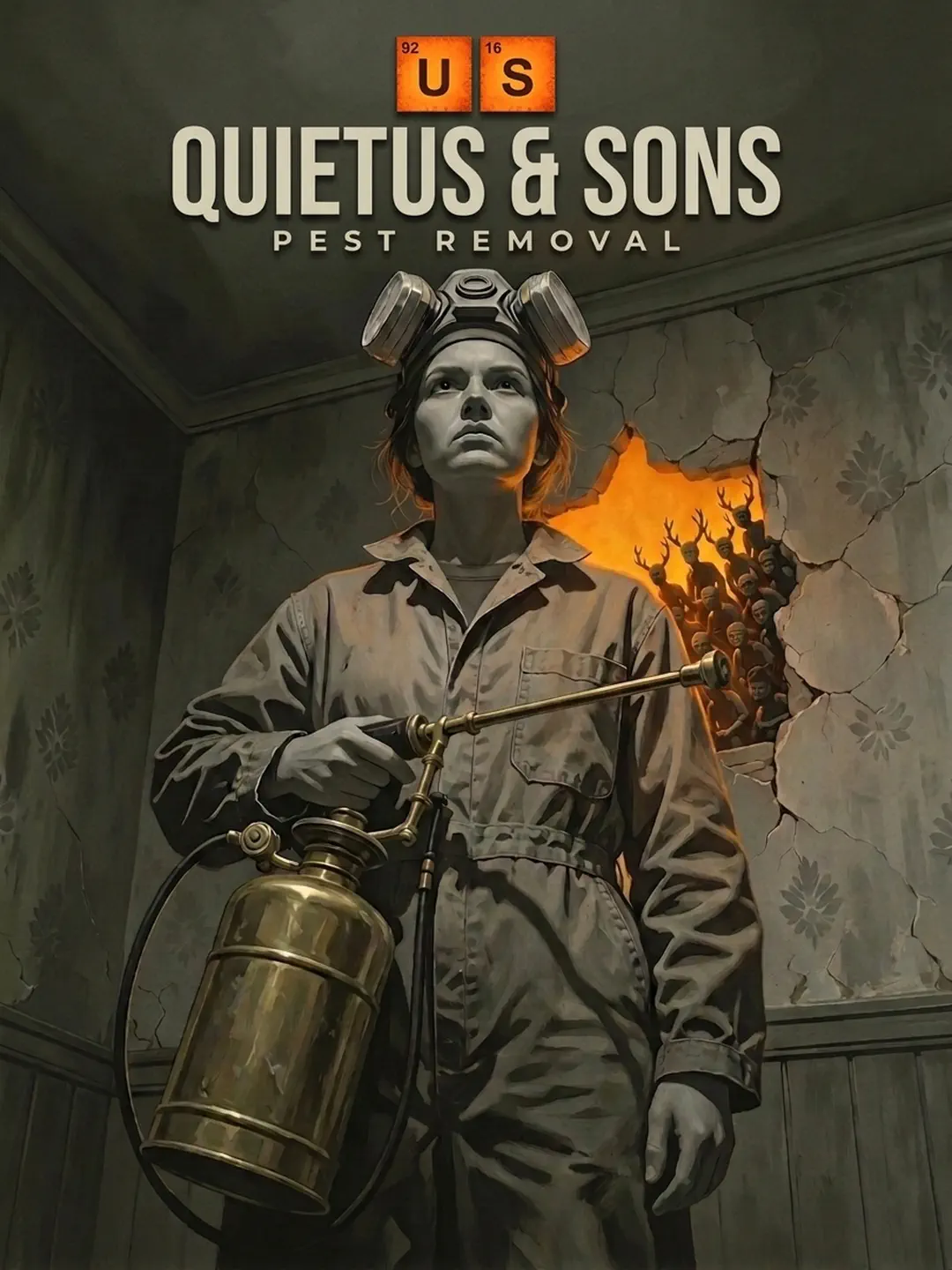
Quietus & Sons, Pest Removal
Maya Quietus inherits her grandfather's pest-removal firm and the ledger that comes with it — the one where "rats in the walls" cost extra. The rats are small gods, and now they know her name.





By starting, you agree to our Terms of Service, Privacy Policy and Refund Policy.
The rule in the family ledger is: do not exterminate
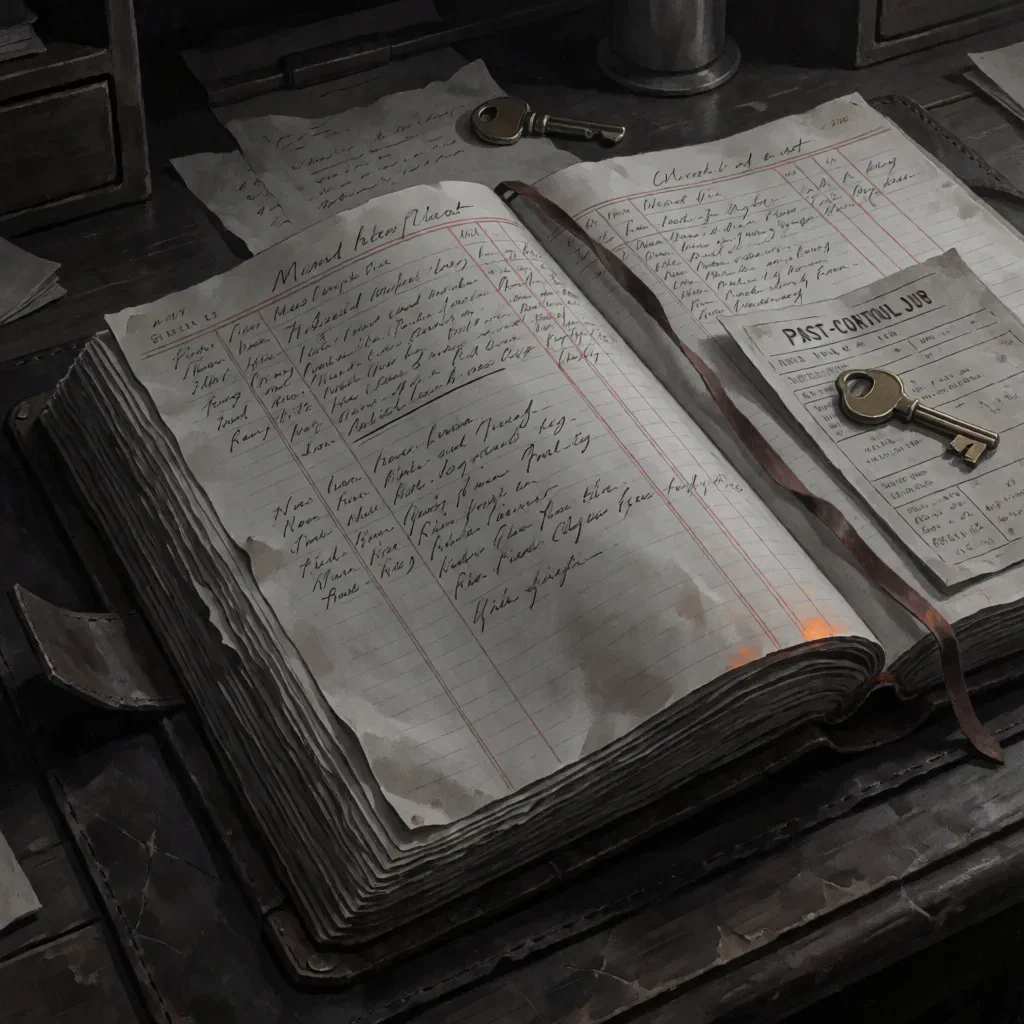
Most stories about something living in the walls end with the wall coming down. This one opens with an invoice. You are Maya Quietus, 34, two weeks past your grandfather's funeral and holding the leather ledger that came with his pest-removal firm, and it falls open in the back office to a page in Lev's handwriting: rats in walls — DO NOT EXTERMINATE — collect tithe, +$400. Quietus & Sons has worked these blocks for three generations. What the family actually does for a living is not killing. It is management, and there is a line item for it.
Four working days, and about three thousand dollars in the account
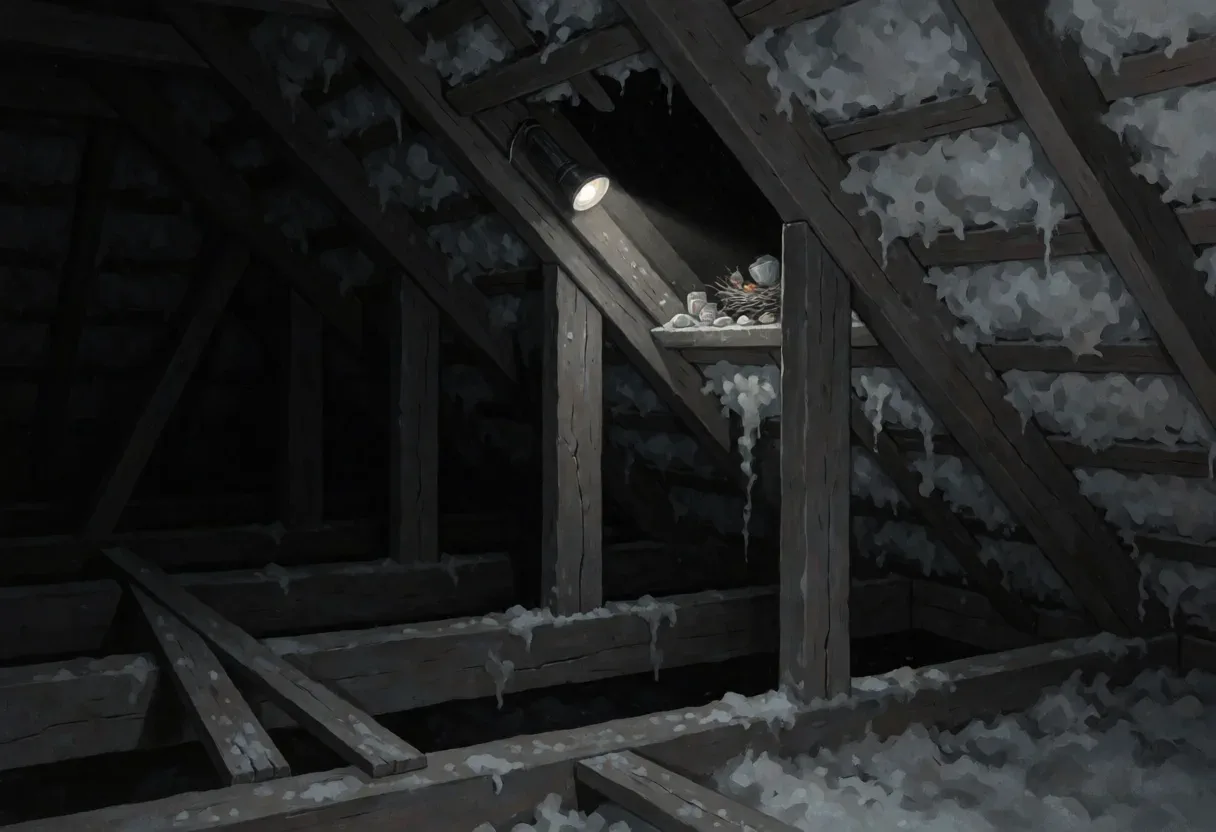
The phone is ringing. The Aldous family on Brace Street want the noise in their attic gone by Friday, and the firm is running on a float of maybe two or three thousand — one bad month from going under. A managed job bills a hundred and fifty to three hundred in labor, supplies eat thirty to sixty of that, and the tithe the ledger instructs you to collect adds four hundred. That is the entire economy: a truck, one apprentice, and a workday that runs eight or ten hours before the light goes.
You start with your nerve close to full and your Mastery near the bottom of a trade Lev taught you in pieces. Four days is not long to catch up.
The rats are small gods, and the street keeps the books
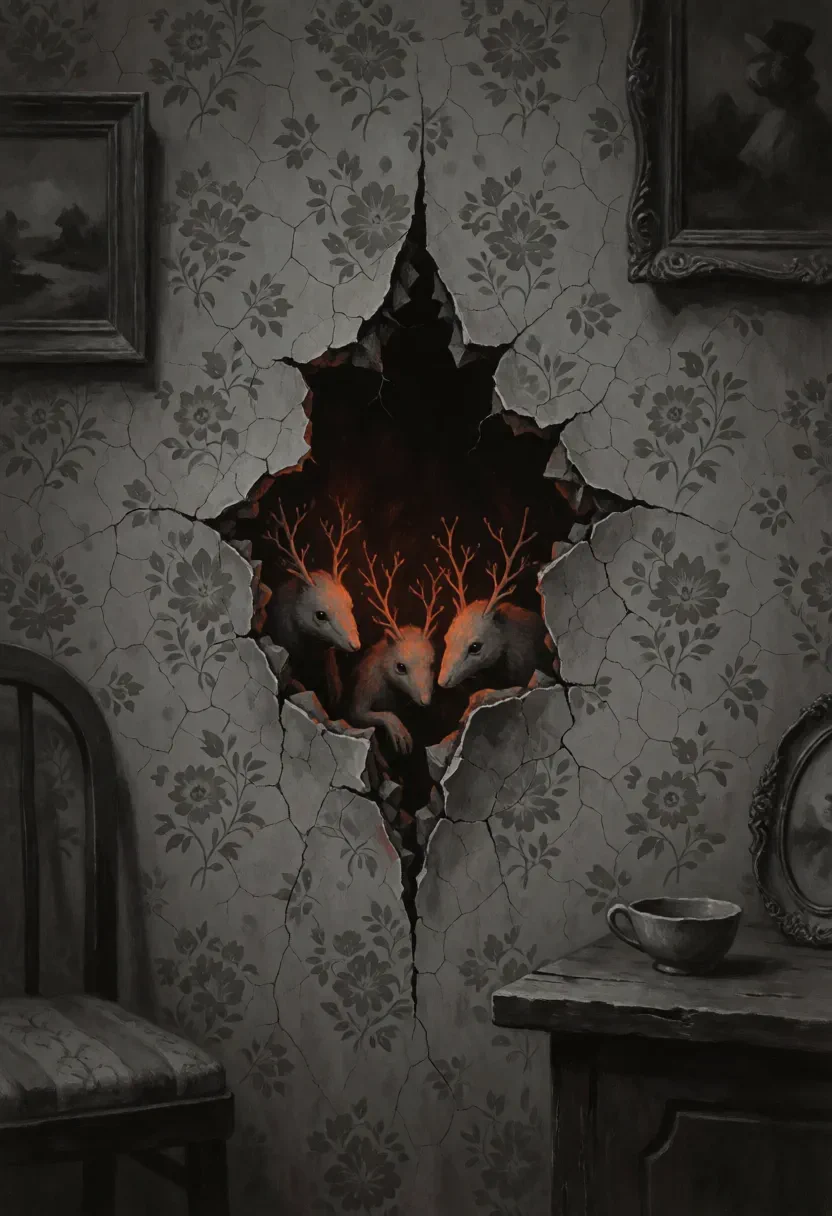
Certain old houses here host the Tenants: ancient, territorial things that took the shape of vermin to survive the modern world. The Quietus line has always managed them rather than killed them, for a reason that is arithmetic rather than mercy. Kill one and the debt does not land on you; it lands on the whole street. Let two or three go unpaid on the same block and the block turns openly hostile — which is what a rival exterminator's kill did to a whole block of houses, off-screen.
They are also polite. The Tenants speak in an older register, courteous and patient and faintly wrong in their grammar, the way something speaks when it learned English by listening through plaster for two hundred years. That is the horror, not a reassurance. The thing in the Aldous attic has started leaving Mrs. Aldous gifts, and has learned her children's names, and would like an arrangement.
What actually changes when you play
Every job resolves into the same three-way decision and refuses to make it for you: exterminate, negotiate, or leave it alone — and then, separately, what to charge the frightened human in the kitchen. Underneath that sits the ledger: follow Lev's instructions, deviate from them, or keep translating its dangerous back pages, which nobody has finished. And under all of it: whether mastery means inheriting the family's old bargains or breaking them.
Three meters carry the consequences. Time: routine moves cost ten to thirty minutes, a full crawlspace inspection an hour or two, and the day ends whether or not you are finished. Money: the float either holds or it doesn't. Nerve: holding steady is free, following scratching into the dark is a point or two, seeing a Tenant clearly is three to five, and talking a panicking person down in a crawlspace can take almost everything you have. A night gives a little back. Mastery is the cruel one — it climbs about a point each time you handle a Tenant rightly or translate a page honestly, and every point you gain raises the nerve it costs to look at anything, because the better you perceive, the more of you is perceived back.
The Tenants also remember: each knows exactly how you treated the last one, so a reputation accrues across the neighborhood without a scene announcing it. The narrator plays this off the story's own canon instead of improvising a new world each turn, which is why an arrangement you made on Tuesday is still binding on Thursday, in a house you have not visited. The story also refuses to promote you: Maya never becomes a chosen one with powers; there is no secret global conspiracy and no apocalypse, just old houses on old streets keeping old arrangements, and a woman with a headlamp who is good with her hands.
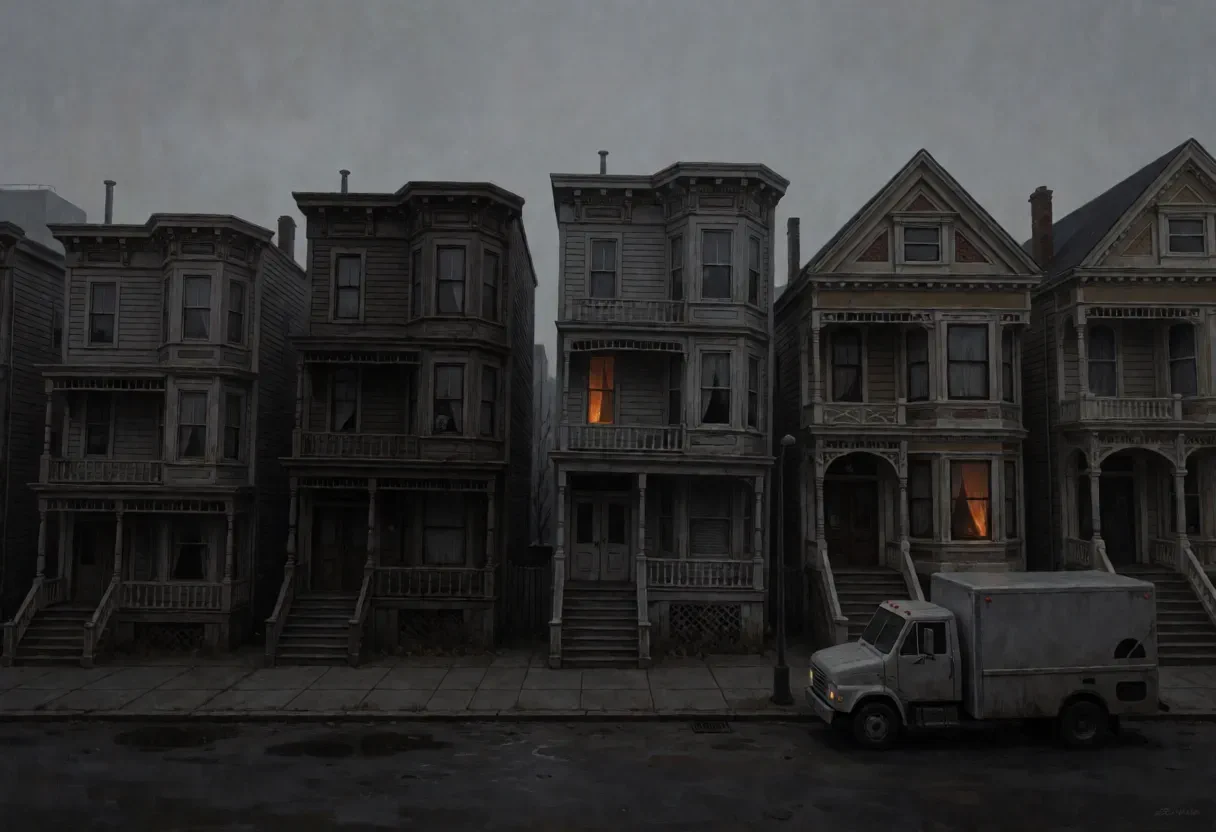
The setting is a rust-belt river city and the inside of its drywall
Triple-deckers, Victorians, brick mills converted into lofts. Mid-2020s and entirely mundane: smartphones, voicemail, cash tithes, and a leather ledger nobody has digitized. The atmosphere is damp lath, mouse musk, and the chemical sweetness of bait gel — fluorescent light in a client's kitchen while she makes nervous small talk, then total dark behind the drywall where your headlamp finds eyes that do not belong to vermin, and a sound that pauses at exactly the moment you do.
Four people, a dead man, and a voice above the workbench
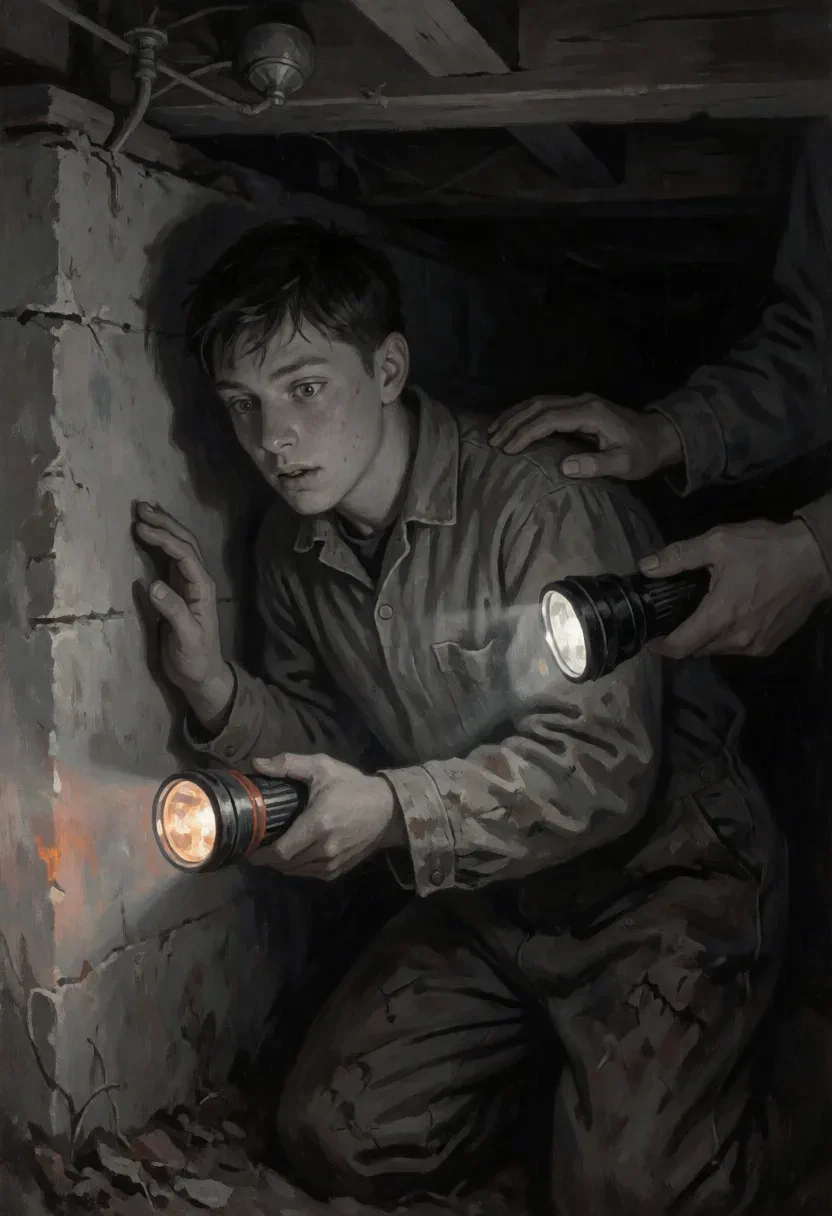
Dev is 26, the firm's only other employee, and thinks the job is bugs. The night he finally sees one clearly, you are the person in the crawlspace talking him down. Sandra Quietus, Maya's estranged aunt, refused this business once already and keeps telling her to sell the truck and walk. Mrs. Aldous just wants her attic quiet and her children left out of it. A city housing inspector has noticed that Quietus jobs cluster oddly around addresses where, afterward, nothing bad ever happens.
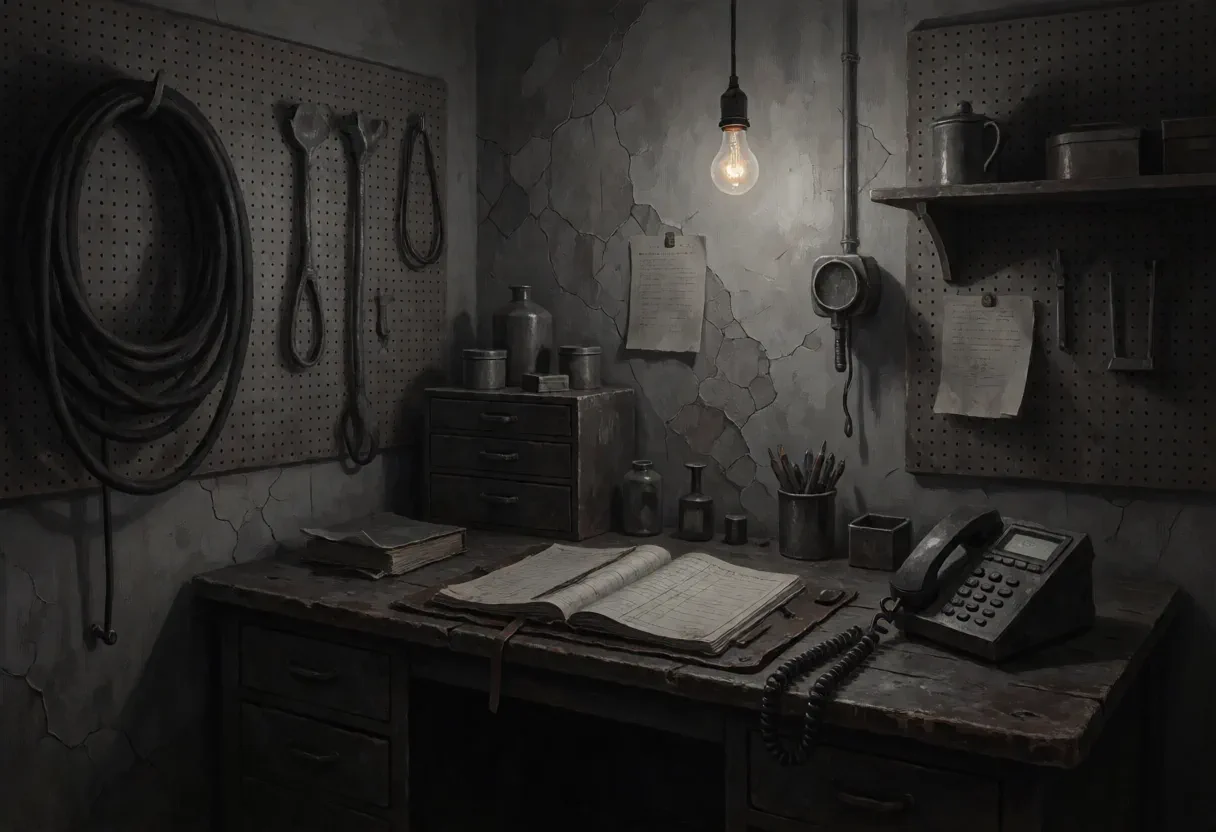
And Lev is everywhere — in the marks he left inside every house on the route, in voicemail he never deleted, in a hand you keep trying to read. The shop has its own Tenant, old and fat and faintly fond of the family, and it talks to you from the wall above the workbench.
Before you start
Is this a monster hunt, or a job?
A job. The structure is a workday — invoice, inspection, infestation — and the pressure is domestic rather than heroic. Your only edge is craft, what you can read in the ledger, and how much looking your nerve can still afford.
Can I get it wrong?
Yes, and quietly. Killing a Tenant always costs something, and the cost is charged to the street rather than to you, so the damage is cumulative and easy to miss until a whole block has gone wrong. Where you end up depends entirely on how those debts were carried, and the story tracks them whether or not you do. There is no clean win.
How long is it, and can I stop and come back?
It is a medium-length story built out of self-contained cases, so a session ends naturally at the end of a workday. Sessions are resumable: close the truck door on Wednesday and open it again on Thursday. The four-day clock at the start is real, but the ledger and the neighborhood outlast it.
If this is your kind of story
This one sits at the quiet, procedural end of the horror shelf, and belongs just as squarely with management stories — where the tension is a balance sheet and a reputation, not a boss fight. If you want the suspense of paperwork with teeth, The Ledger of Last Breaths runs the same trick from behind a bureaucrat's desk, and The Goosekeeper's Concession Stand is the comic cousin: a failing small business negotiating with creatures that have been running the place for sixty years.
But start on Brace Street, in a house that smells like bait gel and old wood, listening to something in the attic that has stopped moving because you stopped moving, and is waiting, politely, for you to decide what it is worth.
