
The Ledger of Last Breaths
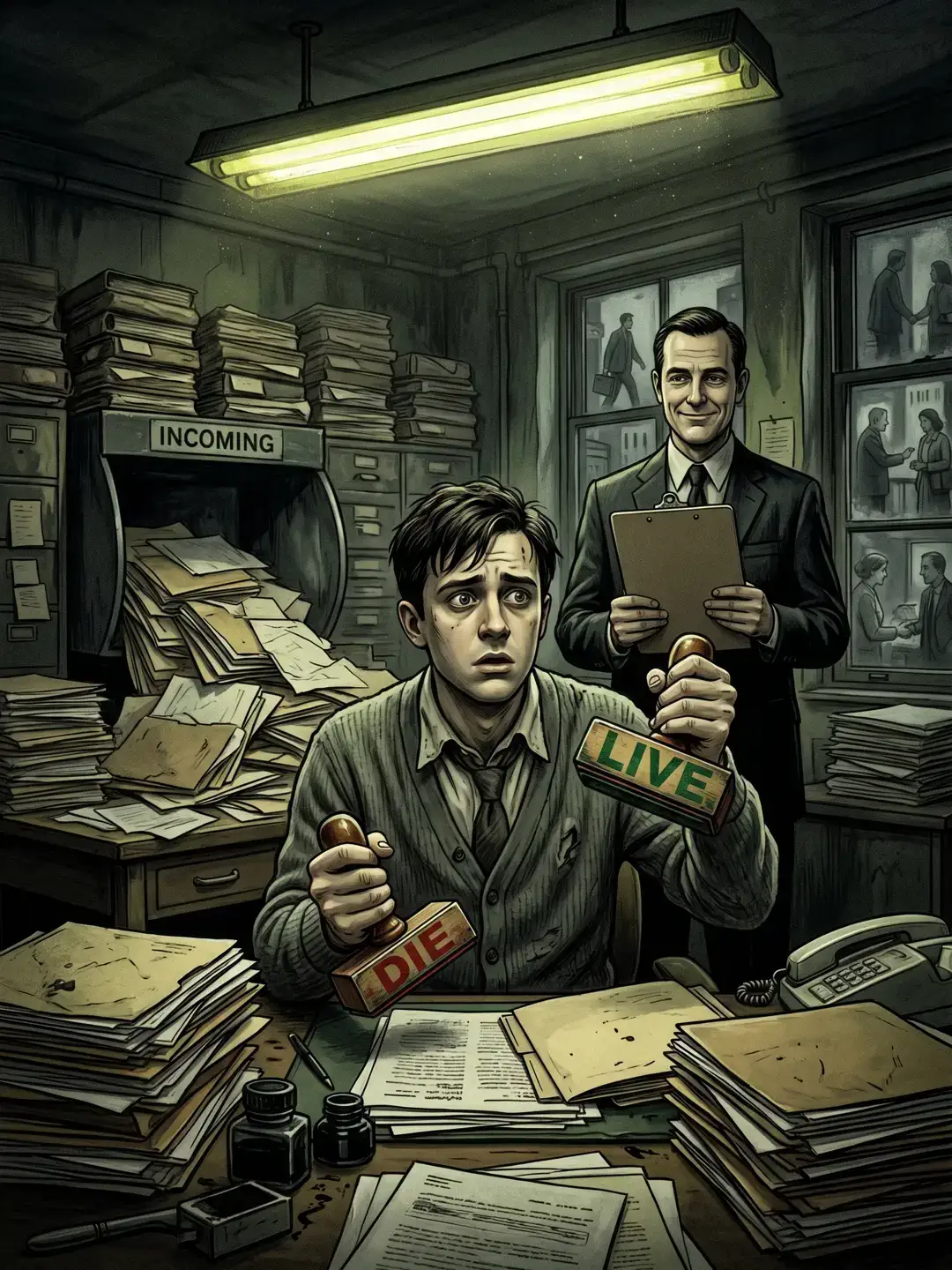
You are the newest junior clerk in the Department of Mortality, armed with two rubber stamps — LIVE and DIE — and a training manual with several pages conspicuously missing. Every case file that slides through the black slot in your wall is a human life reduced to bullet points, and the supervisor who keeps smiling at you has a quota she hasn't mentioned yet.


By starting, you agree to our Terms of Service, Privacy Policy and Refund Policy.
The power over life and death arrives as office supplies
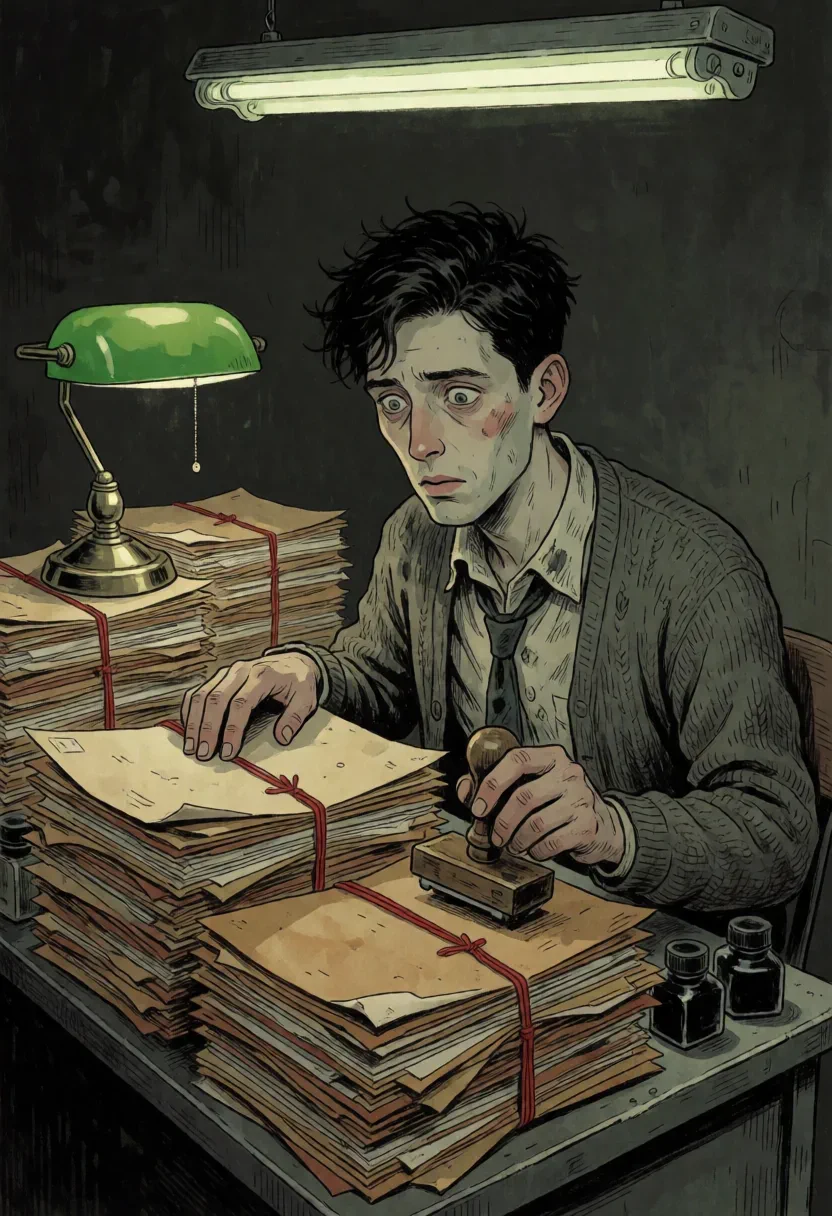
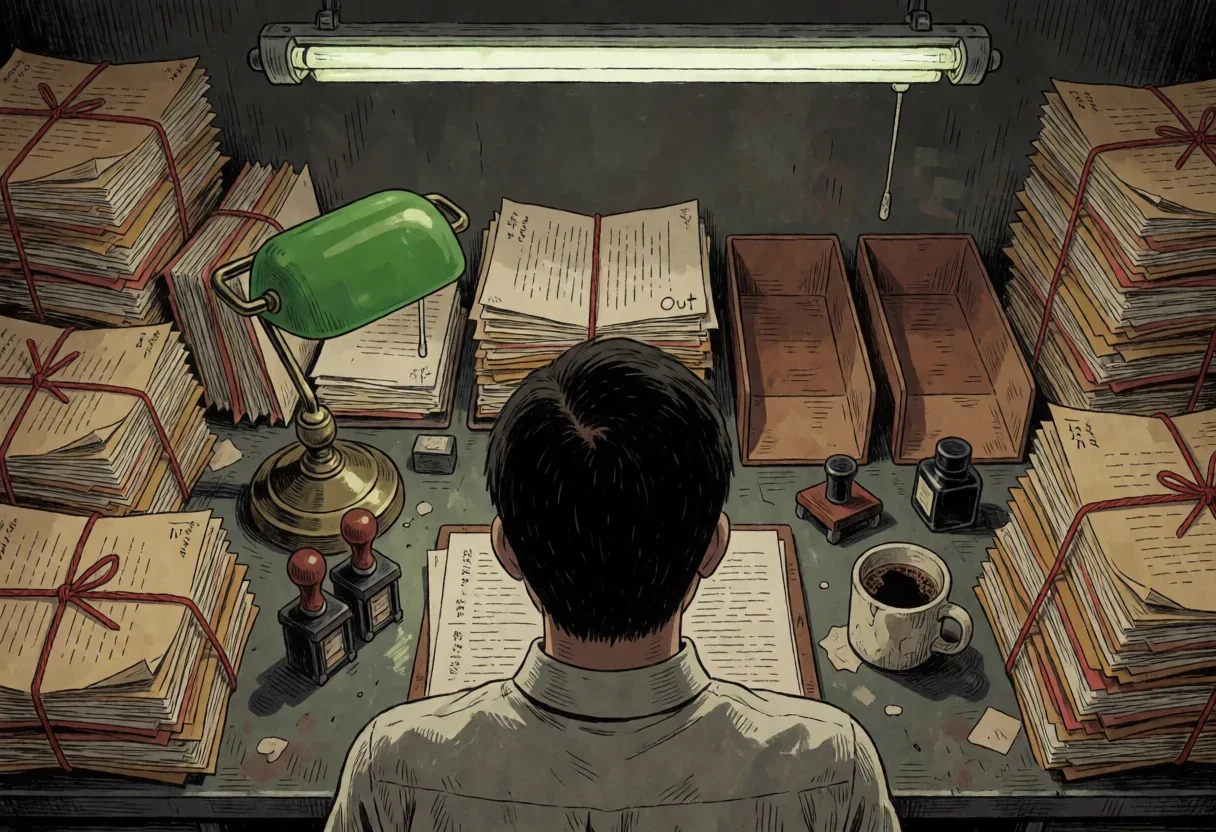
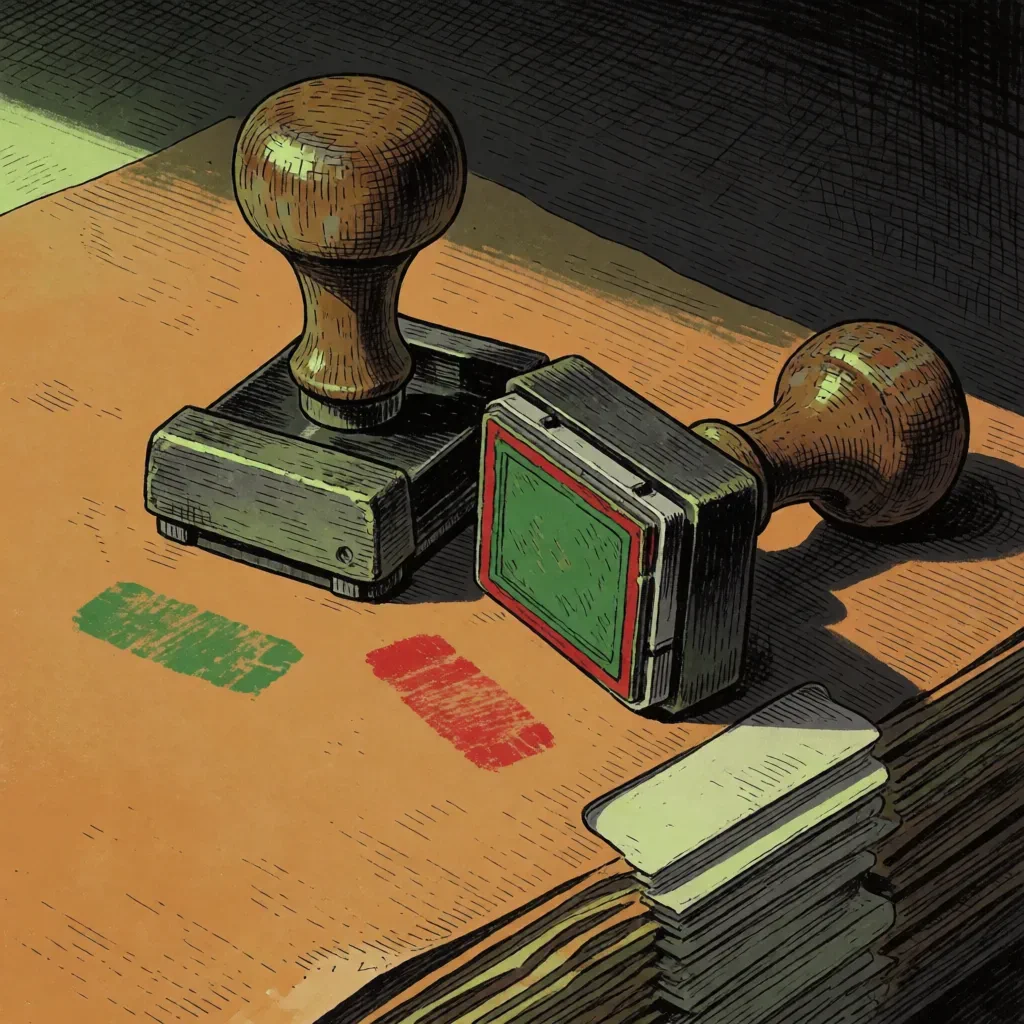
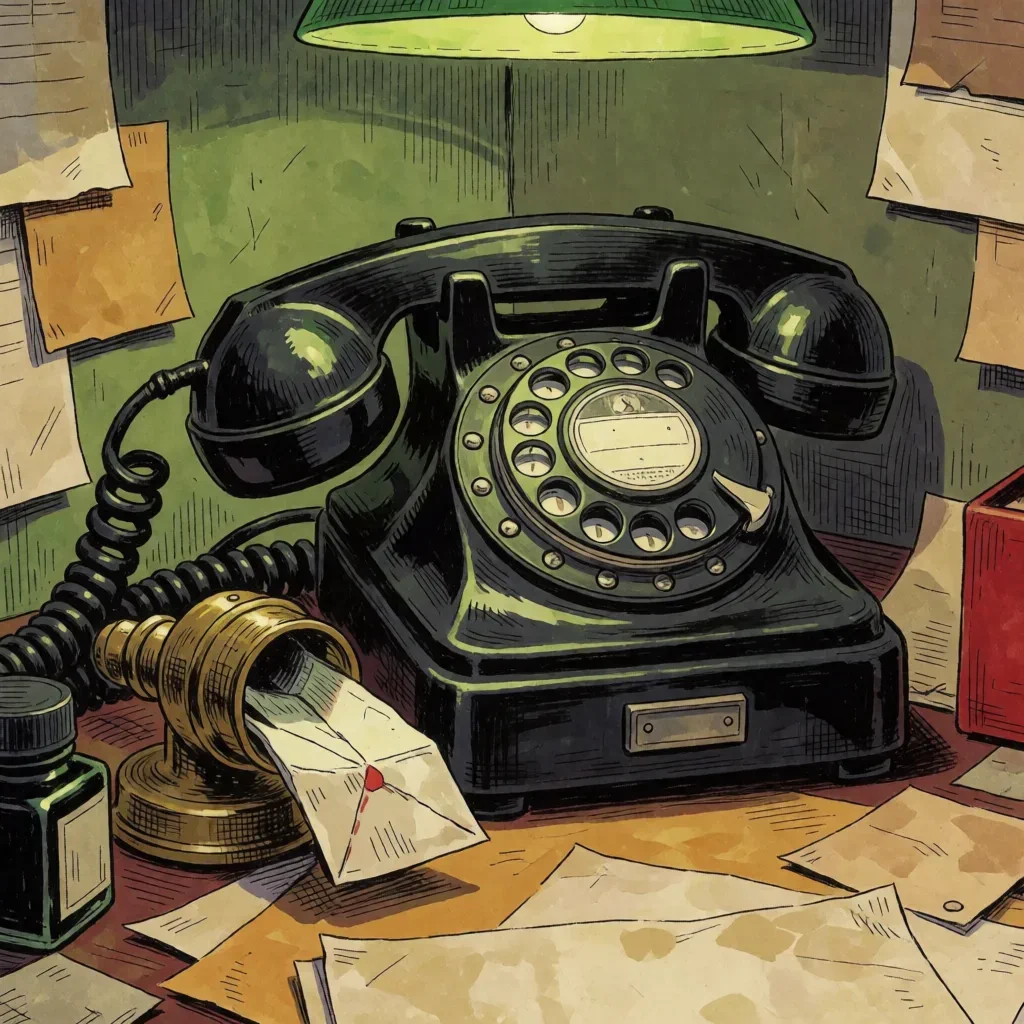
Stories that put mortality in your hands usually build a throne for it. This one issues you a narrow steel desk, a green banker's lamp that hums, and two rubber stamps with worn wooden grips — LIVE in green, DIE in red — heavier than they should be and warm after heavy use. You are Junior Clerk, Grade II, in the Department of Mortality. Your brass nameplate was engraved the morning you arrived. Your manual is a three-ring binder missing pages 14 through 22, page 47 and all of Appendix C, and some surviving pages are photocopies of photocopies that contradict each other. Nobody is going to fix that, and the work starts anyway.
A shift is the unit of time, and the In tray refills
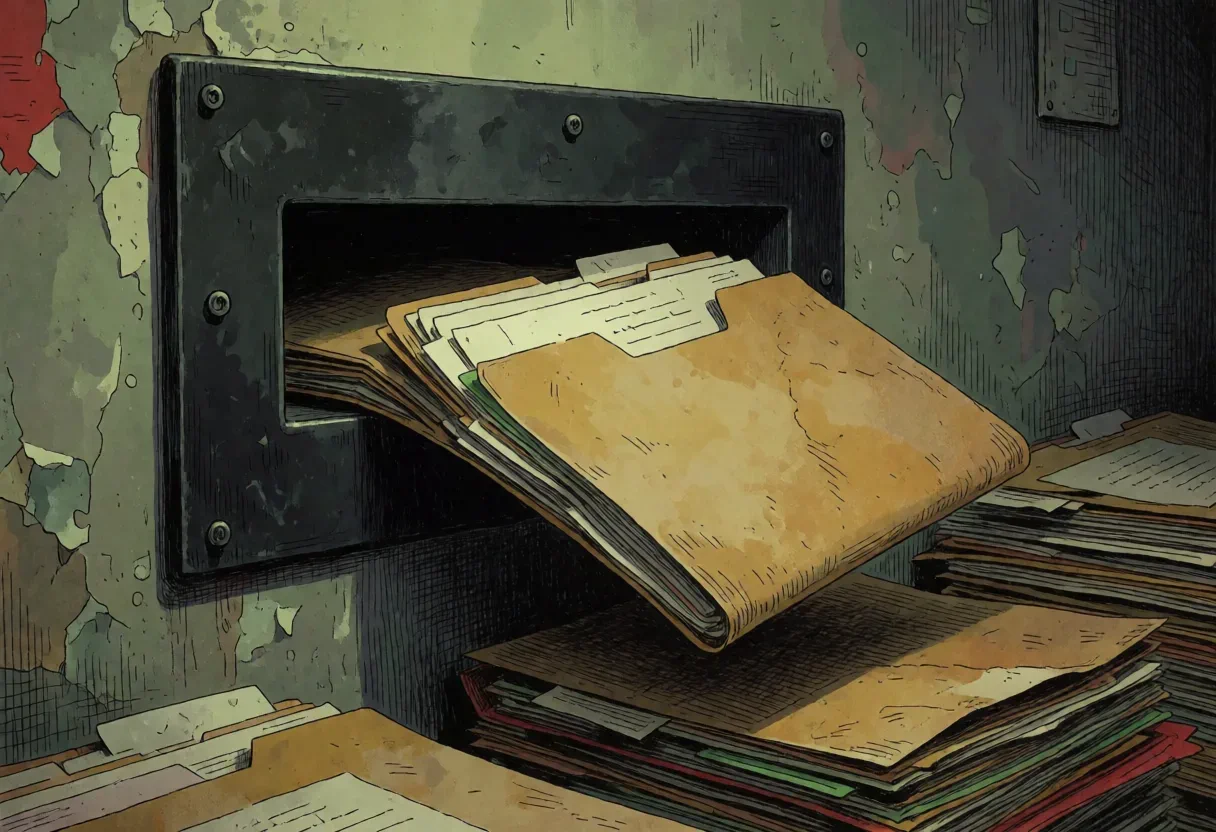
Case files arrive through a matte black slot in the wall, sliding out with a soft mechanical sigh. Nothing is visible behind it. The slot is warmer than the wall. The loop is one breath long: the slot delivers, you read, you stamp, the file goes in the Out tray, something interrupts you. Then again. Everything must be stamped before end of shift.
The rules you were given are short and mostly about restraint. LIVE and DIE are the only acceptable stamps; do not improvise. Do not open the slot. Do not answer the rotary phone unless it rings twice — it has rung once, and the voice on it claimed to be a case you already stamped DIE. Appeals go into the pneumatic tube marked APPEALS and must not be read after sending, though the tube sometimes coughs them back up, still perfectly readable. If the fluorescent tubes flicker three times in sequence, stop working and wait. And: quotas are guidelines, not targets. That line is underlined, which is the most alarming thing in the binder.
Every file is built so that the correct stamp does not exist
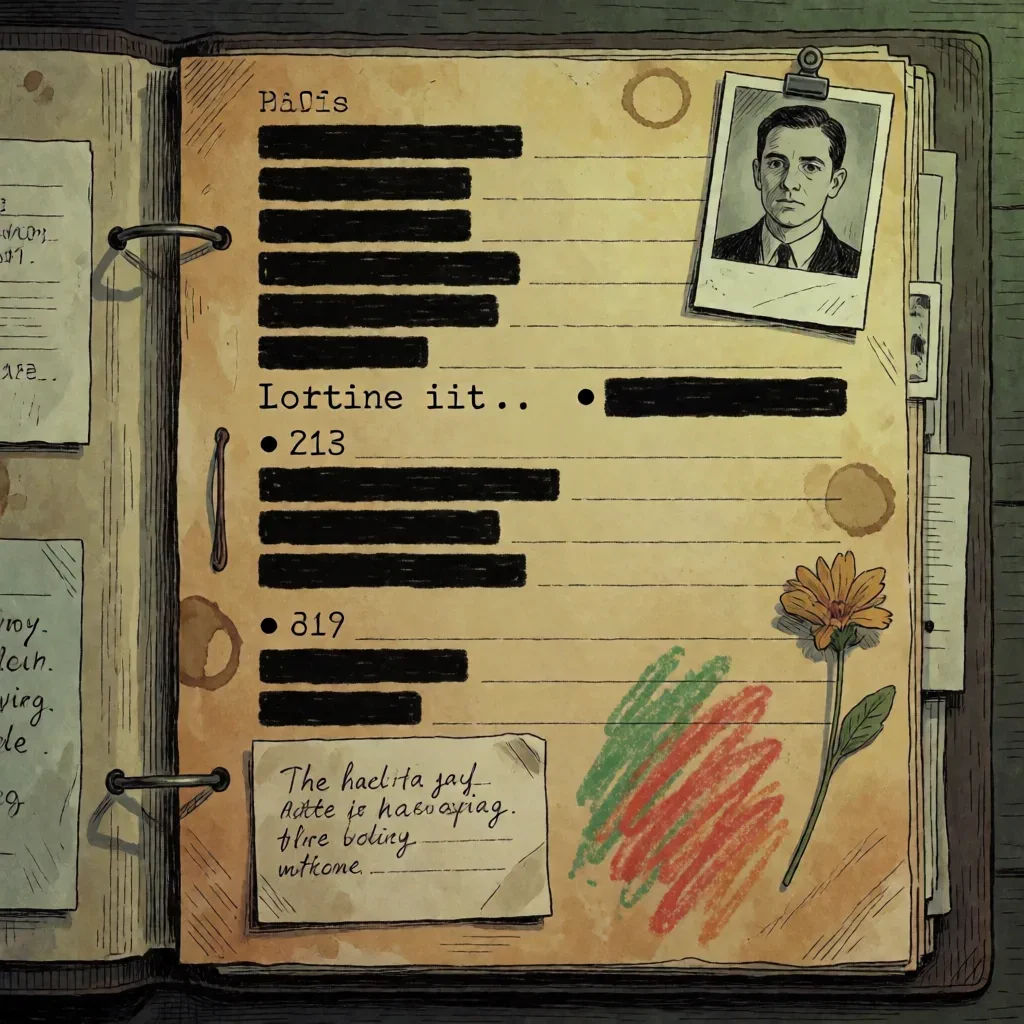
A case file reduces a person to fields. Name, age, city. Habits, banal or revealing or damning. Exactly one secret, typed in a different font. Usually three regrets, bulleted. A Projected Influence: minor, locally significant, catalytic. Two to four Possible Futures, each carrying a probability. A small photograph, usually a bad one. Sometimes a child's drawing or a pressed flower that nothing explains, or a note scribbled in the margin by someone who is not you.
None of it resolves. The saint's Secrets field holds something terrible. The murderer's Possible Futures contain three small children. You will never be handed the file where the right stamp is obvious; that file is not in the system. You decide anyway: the shift ends whether or not you have finished thinking, and leaving a file unstamped is also a decision the Department knows how to read.
What actually changes when you play
A job with memory, not a branching flowchart. Completed work gets reviewed — the Auditor leaves pink slips on decisions it disagrees with, sometimes on a case you had forgotten, and occasionally in error, which you can rebut quietly through the tube. People come back. A file opening Per our previous correspondence belongs to someone you already ruled on, returned aged and consequenced. The mortal world leaks in through the intercom, the caretaker's muttering, a headline on a discarded newspaper, until you recognise the echoes of your own stamps.
Quotas drift with what is happening out there — disasters, wars, plagues, quieter things like seasonal despair — so you notice the In tray getting heavier before anyone tells you why. Because the narrator reads what you actually write instead of matching it to a menu, the moves that matter most are often not stamps at all: stalling on a file, reading an appeal you were told to send unread, asking Ms. Volen a direct question and watching the euphemism arrive. The office answers all of it, politely, which is worse than shouting.
Sub-Level 7, or possibly 11
The elevator panel disagrees with itself. The break room window looks out on a weather system, and the room loops. The supervisor's door is never in the same place twice and always opens easily for her. Fluorescent tubes flicker in patterns almost like speech, and the coffee goes stale in a chipped mug that says WORLD'S OKAYEST.
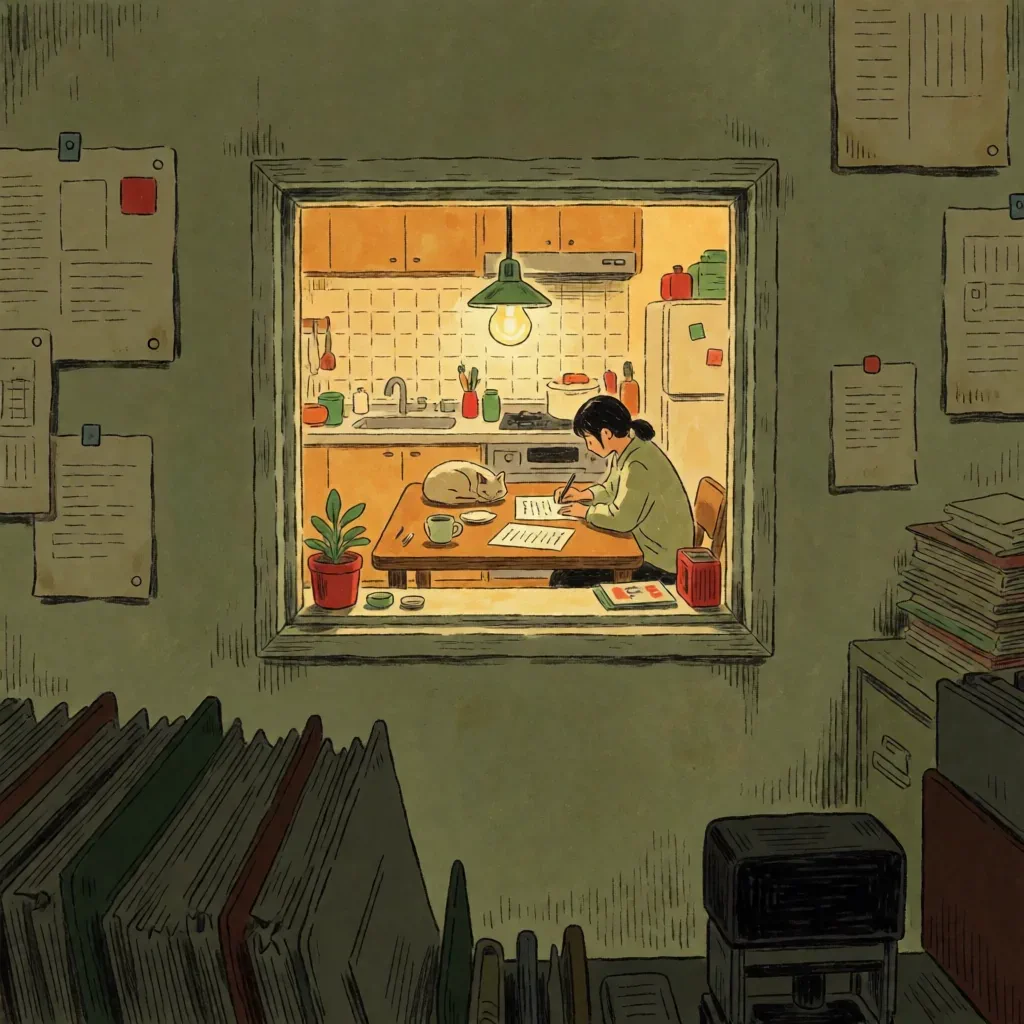
One window is different. It shows not outside but whatever mortal life the next file concerns. A woman clipping her cat's nails. A man writing a bad poem. A girl lying to her mother about school. That is the cruelty the office is built around: you get the small, specific, unremarkable footage of a life, then a stamp, then the next file.
Five people share this floor, and only one speaks plainly
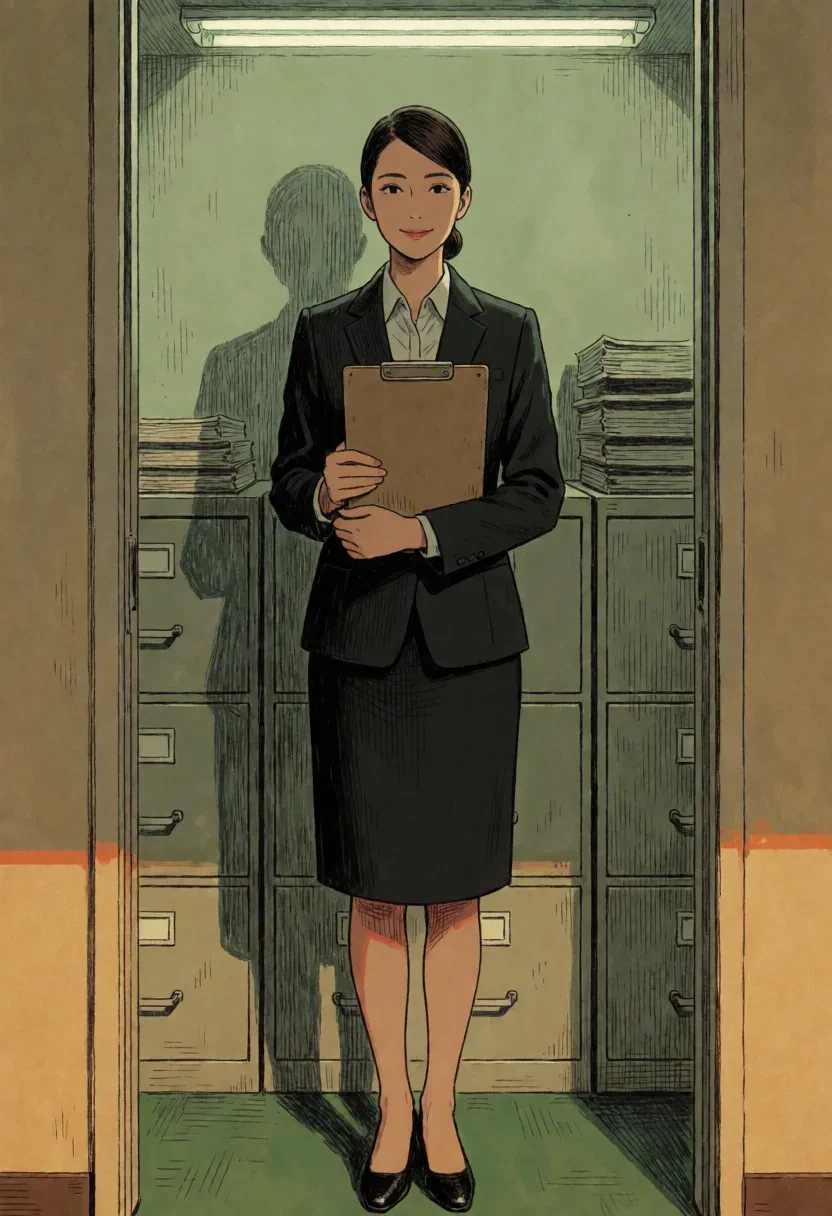
Ms. Volen, Senior Adjudicator, wears a tailored charcoal suit and a smile that arrives half a second too early and stays half a second too long. She runs surprise audits with a clipboard and calls death a regrettable outcome, a closure event, a cessation with cause. Marn, two desks down, is an earnest believer who keeps a LIVE/DIE tally taped inside his drawer and will report you if pushed. Peske, across the hall, is a veteran cynic on nicotine gum who gossips about clerks who transferred; his unofficial rules are useful, and some are wrong. The Auditor arrives without warning, usually mid-afternoon, wearing a different face each time and always the same shoes.
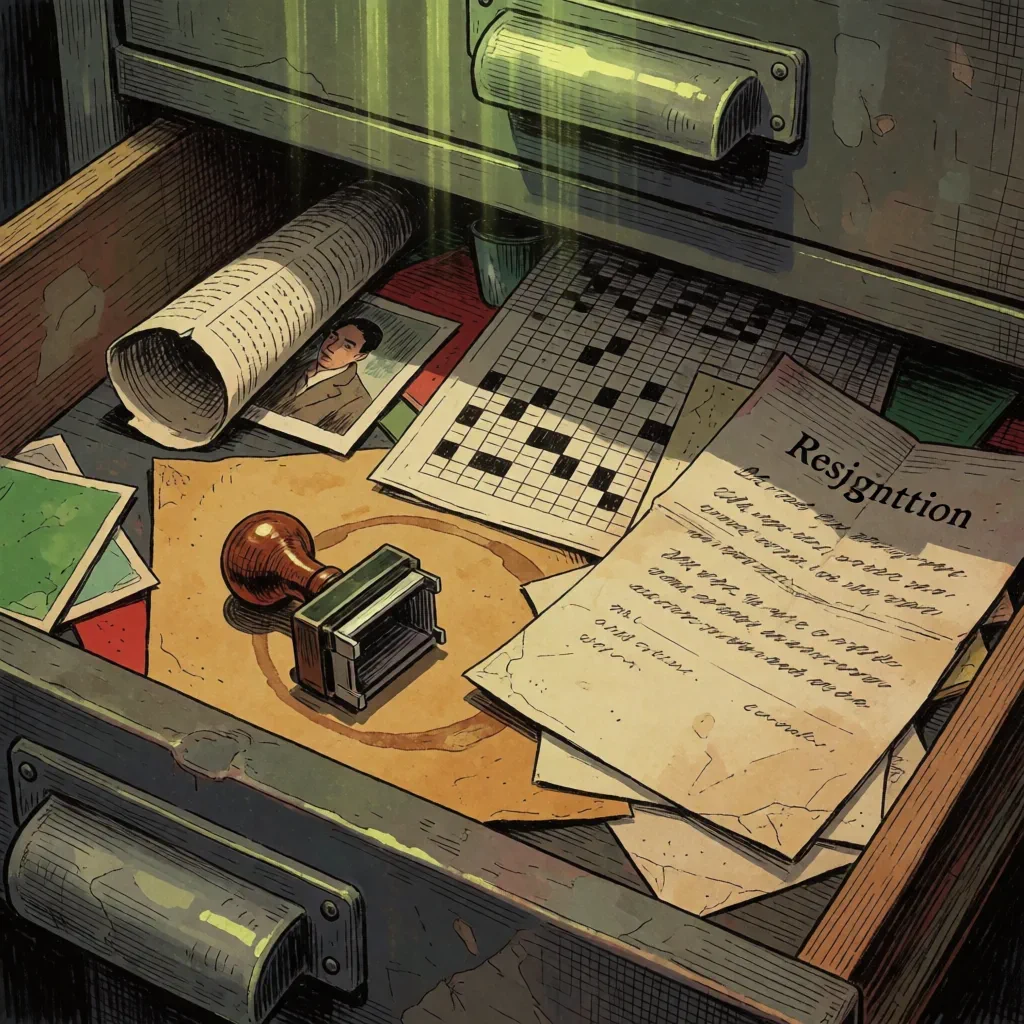
The caretaker mops the corridor at odd hours and, once per session, says something devastating on his way past. He may be the oldest employee here. He may not be an employee. Your own desk drawer keeps producing things left by whoever sat here before: a photograph, a half-finished crossword, a resignation letter never sent, and a third stamp, unused, its face worn smooth and unreadable.
Before you start
Is this a puzzle with a right answer?
No, and it stays that way on purpose. Files are built so the sympathetic reading and the damning reading are both supported by the evidence in front of you, and the story never confirms which it preferred. What you get instead of correctness is consequence.
Can I refuse to play along?
Yes, and the Department has a response ready. You can stall, hoard files, read what you were told not to read, or try the one clearly forbidden thing. Rule-breaking is punished with politeness rather than thunder: a memo, a smile, a rephrasing of the ambiguity you asked about. Refusal is a strategy, not a fail state.
How long is a session, and can I stop?
It is a medium-length story built out of shifts, so the stopping points are obvious: finish the tray, leave the desk. Sessions are resumable, so a shift can be one sitting or several. There is no combat and no losing in the usual sense; the pressure is one file after another and the slow weight of what you have already stamped.
If this is your kind of story
This belongs on the shelf of quiet, morally cornered fiction — horror rendered in office language, and humorous only in the driest sense: the institution is larger than you and the lighting is bad. If that register suits you, there are more fantasy stories built the same way: the courthouse past the edge of reason in Before the Last Door, where clerks arrive carrying ledgers of your own life, and the sunless plague harbour of Miasmorrow, where a confessor decides who breathes another dawn.
Start here, though. The lamp hums, the slot sighs, and somewhere behind the wall the In tray is already full again.
