
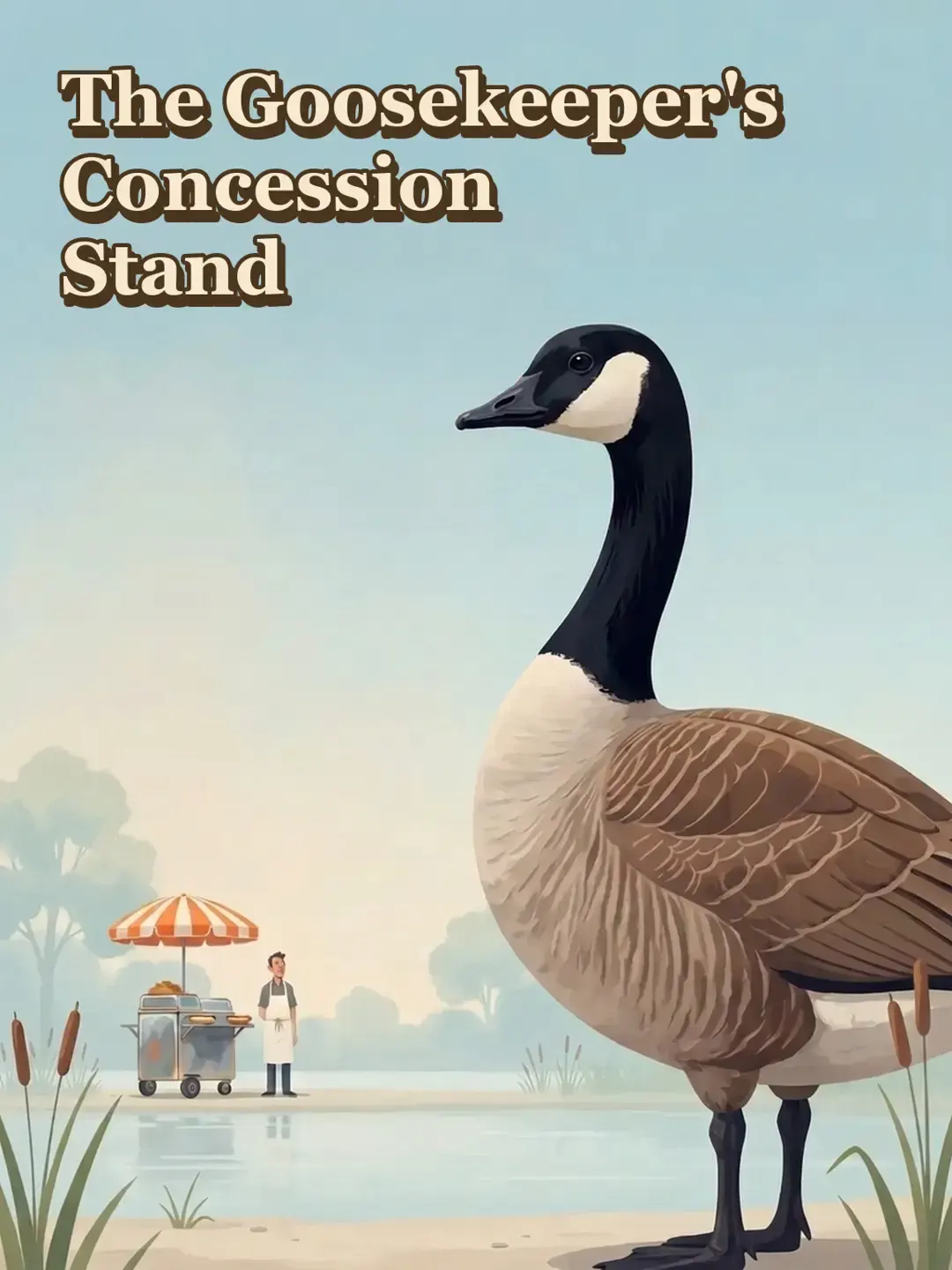
The Goosekeeper's Concession Stand
You run a struggling snack cart at Mallard Hollow Pond, where the geese can talk, never seem to die, and have shaken down every visitor for sixty years. Win them over, keep the customers coming, and outwit a county inspector before the park is bulldozed.




By starting, you agree to our Terms of Service, Privacy Policy and Refund Policy.
The geese are not the whimsy. They are the incumbent power
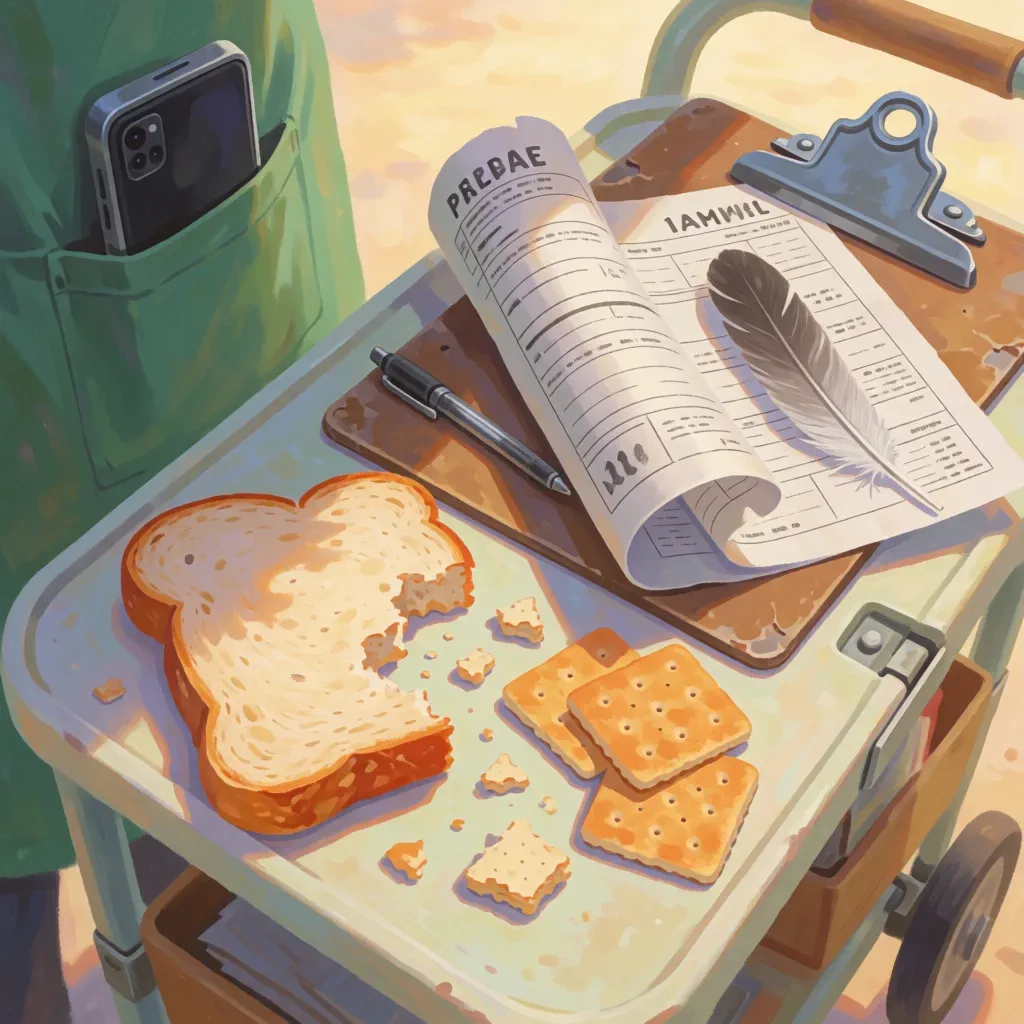
Talking animals in a cozy story are usually staff: a helpful cat, a sarcastic bird, something to soften a lonely small business. The flock at Mallard Hollow Pond is not staff. It is a sixty-year-old protection racket with an institutional memory. Visitors pay tribute — bread, crackers, respect — or they get chased, and the town has quietly filed this under how the pond is.
So Dale Petrosky is not being befriended by geese. He is a new tenant arriving at a building that already has a tenants' association, one with a ledger, an unpaid balance from the last guy, and firm opinions about his propane setup. Only Dale can understand them. Nothing explains why and nothing cures it.
Thirty days, two hundred dollars, and a bulldozer that is already booked
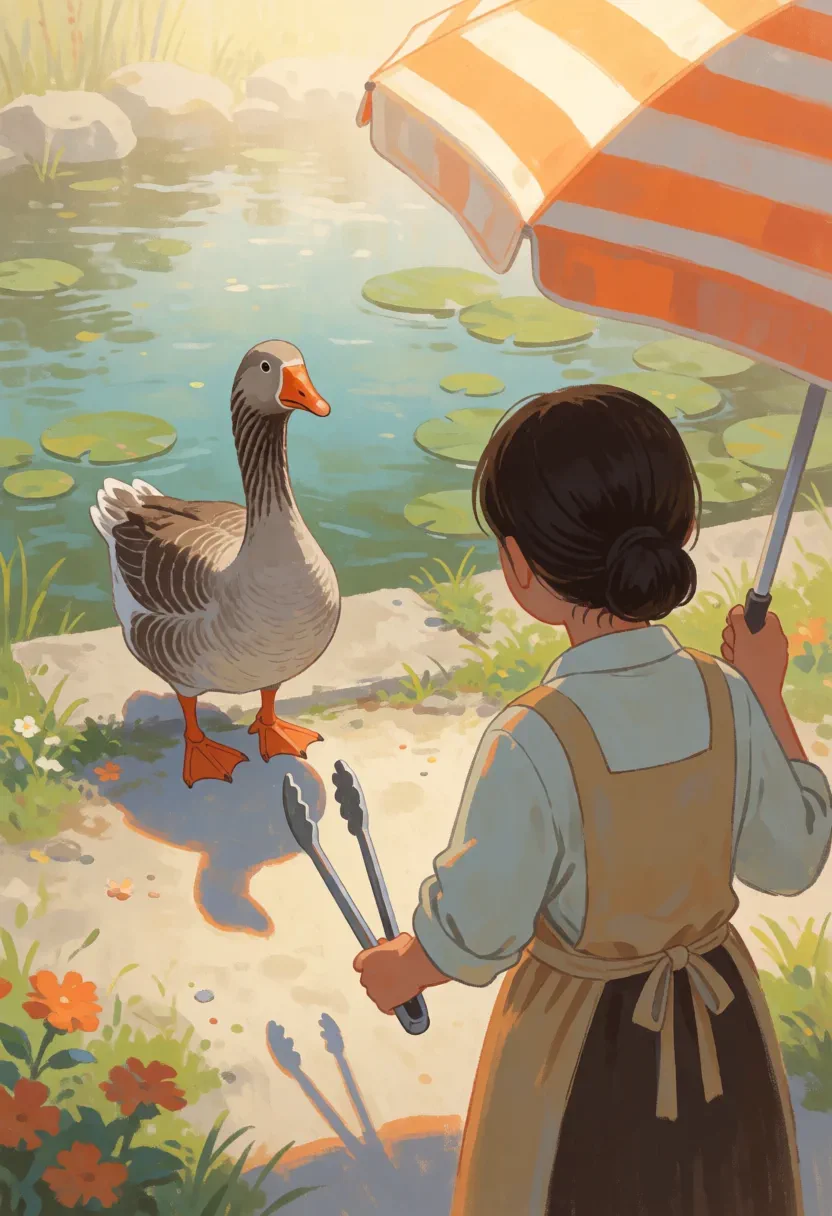
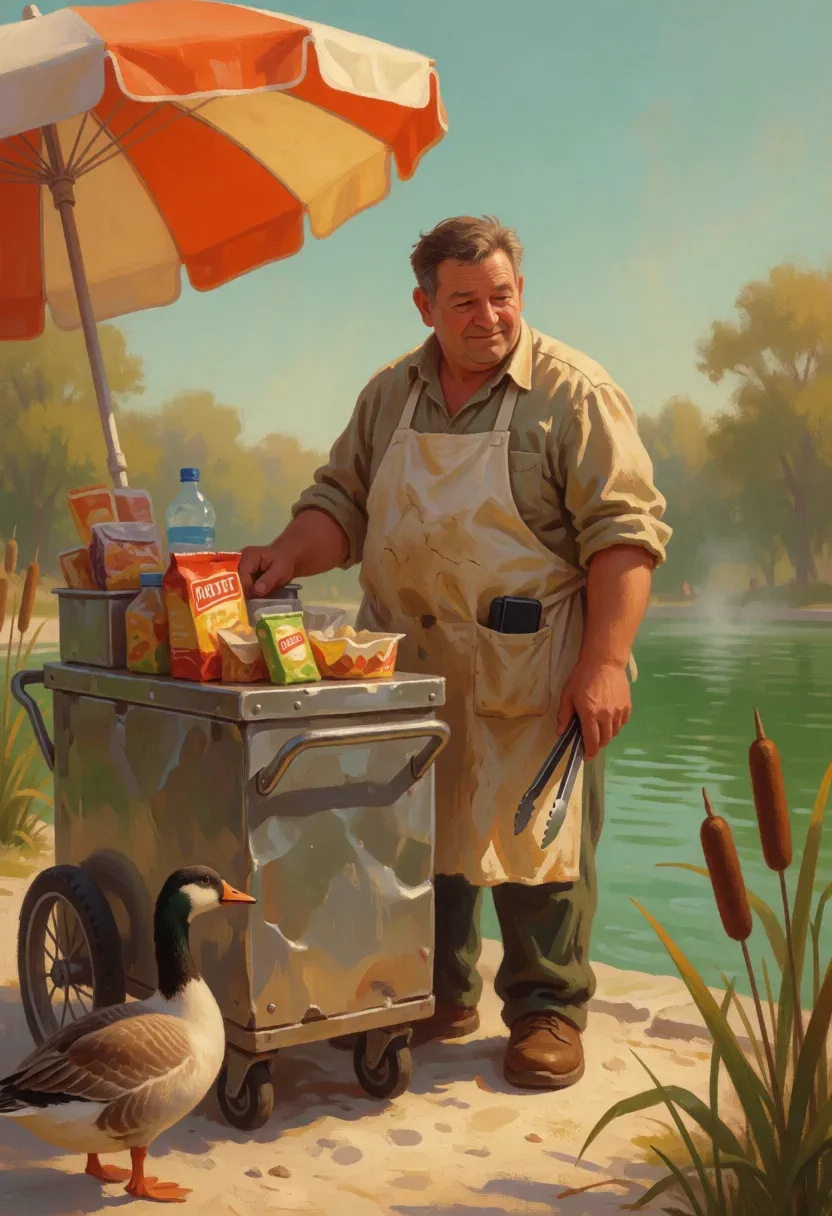
Dale opens on his first morning as the new and only concessionaire, pushing a dented cart called the Gander Grill to a spot beside the water. He signed the lease without reading it. Roughly two hundred dollars sit in the till, the county tolerates him at middling standing, and the closure date is about thirty park-days out. The flock's regard is near rock bottom before he has done anything, soured by back-tribute the previous keeper left owing.
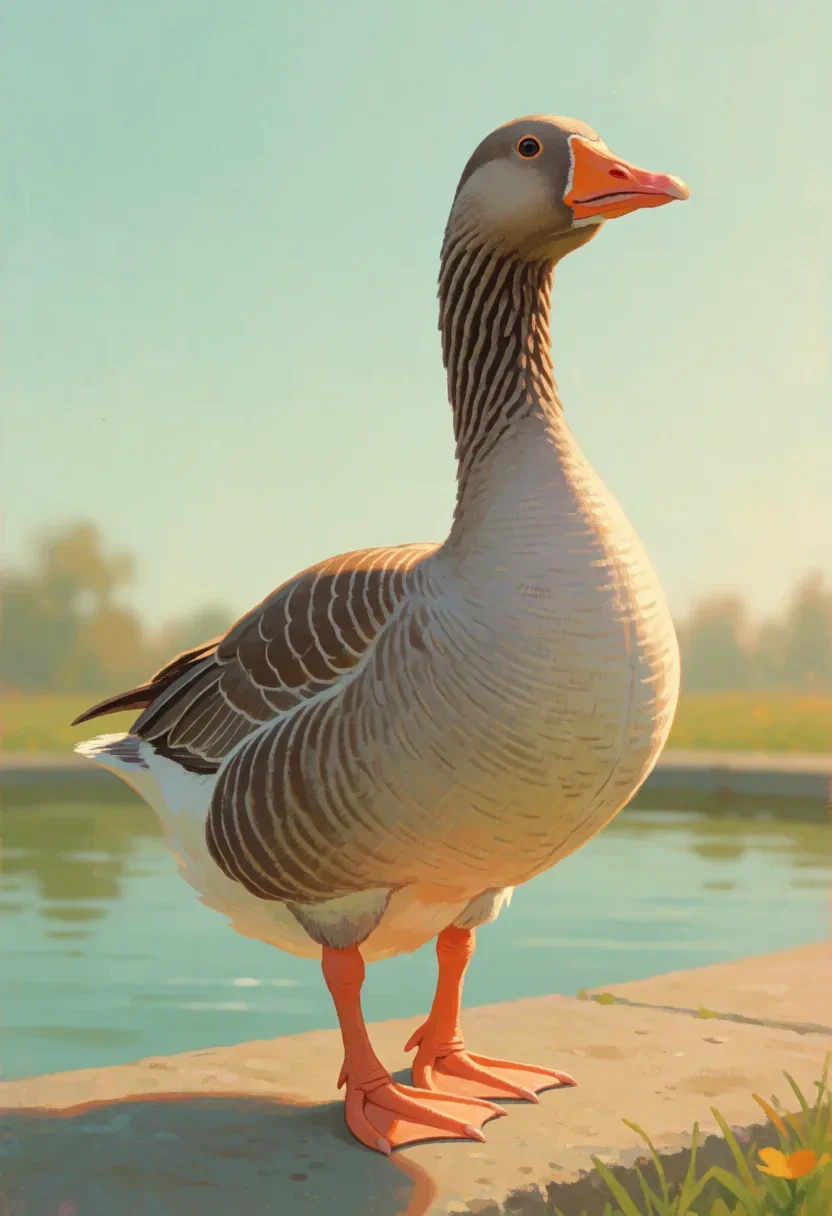
Then a large grey goose waddles over, inspects the propane rig, and says in flawless English: "You're late on tribute, and the previous keeper still owes us for the incident with the leaf blower." Dale drops his tongs. That is the tutorial.
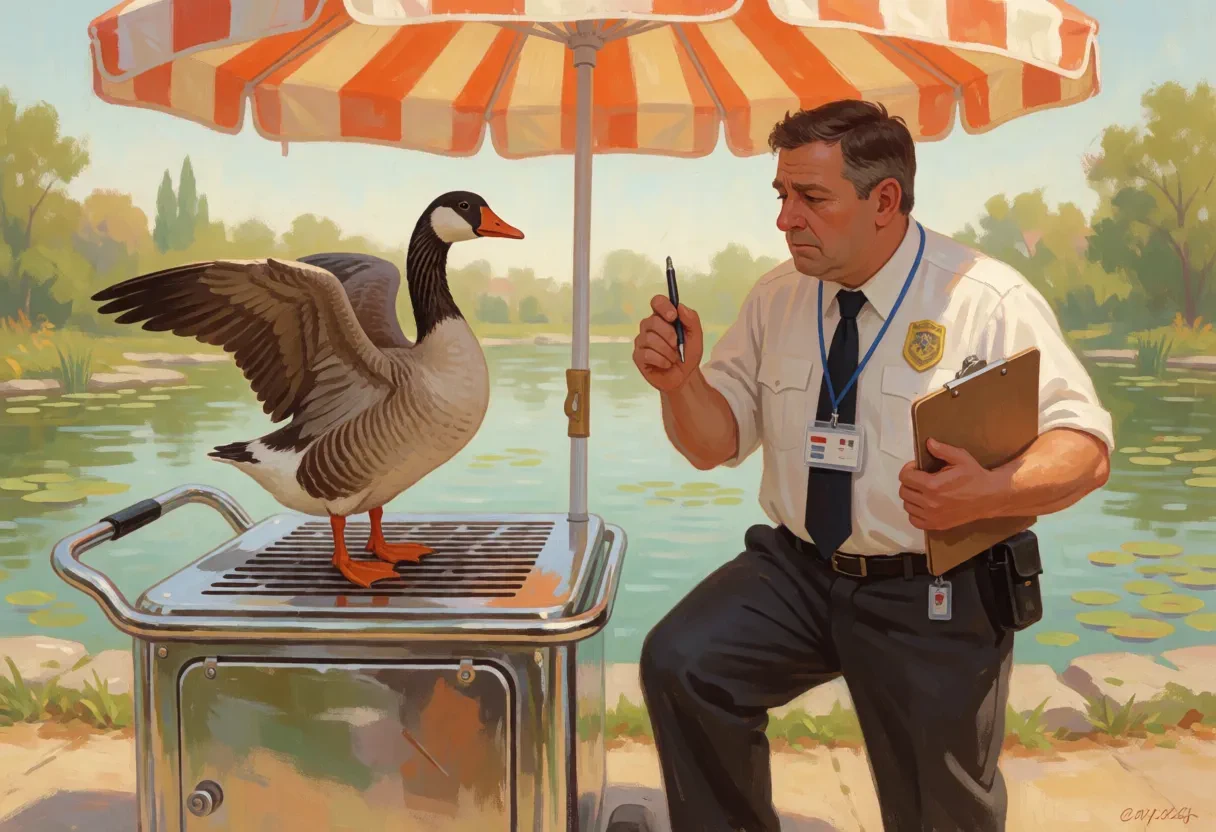
Between that morning and the deadline sit the days the pond is remembered by. The Great Bread Embargo, when the Brigadier bans bread tribute outright on a point of honor and the flock revolts. Inspection Day, which the county spends documenting violations while a goose stands on your grill. A public council hearing that decides the park's fate. And the day the geese threaten to leave the pond forever.
Everyone at this pond is reasonable, which is the problem
Brigadier Featherstonehaugh runs the racket the way a retired officer runs a committee: pompous, weirdly principled, secretly lonely. The geese speak crisp, faintly Victorian English — "We do not negotiate before the morning swim" — which makes every shakedown sound like a motion carried.
Inspector Margaret Chen-Boyle is the overworked county parks official assigned to document reasons to close Mallard Hollow. She is not a villain. She is a person with a clipboard and a budget she did not write. She is also one of four people worth scarce time and money — Brigadier, Pip, Chen-Boyle, Walt — and you do not have enough of either.
The third party is everyone who just wants lunch: stroller parents, a kids' soccer team, ill-advised picnickers. They keep the till alive, and they are the first thing the flock chases off.
What actually changes when you play
Three numbers move, and they are hostile to one another. Cash is the shortest leash: a snack nets a few dollars, a slow day leaves you fifteen to thirty down once propane and supplies are paid, and tribute costs another five to fifteen in stock. Let the till sit underwater two or three days running and the lights go out. Goose Favor and County Standing each ride a rough hundred-point feel. An honored tribute nudges Favor up five to a dozen; stiffing a bird or defying one in public knocks it down ten to twenty. A clean inspection banks ten or fifteen Standing; a documented violation costs fifteen to twenty-five, and once Standing sinks past the floor, Chen-Boyle has her closure case. Each day burns one off the thirty, though a public beat won well buys a couple back and a botched one burns a couple more.
Nothing is free. Feed the flock and the till empties. Run the stand strictly by the county's book and the geese chase your customers off the water; keep the flock happy and they pack the place instead. What the story is really watching is Dale's reflex to cave to whoever honks loudest — trading one meter to rescue another — and that reflex is the thing you are actually here to manage.
Within that you set prices, rewrite the menu, and decide which bird gets paid and which gets argued with. Larger swings are on the table: expose the talking geese, broker a truce between flock and county, or answer one of Marisol's texts and leave the pond behind. The narrator reads your input against this canon instead of improvising a new pond each turn, which is why the Brigadier's principles hold from one day to the next even while you are talking him out of them.
A municipal pond that smells like hot oil and algae
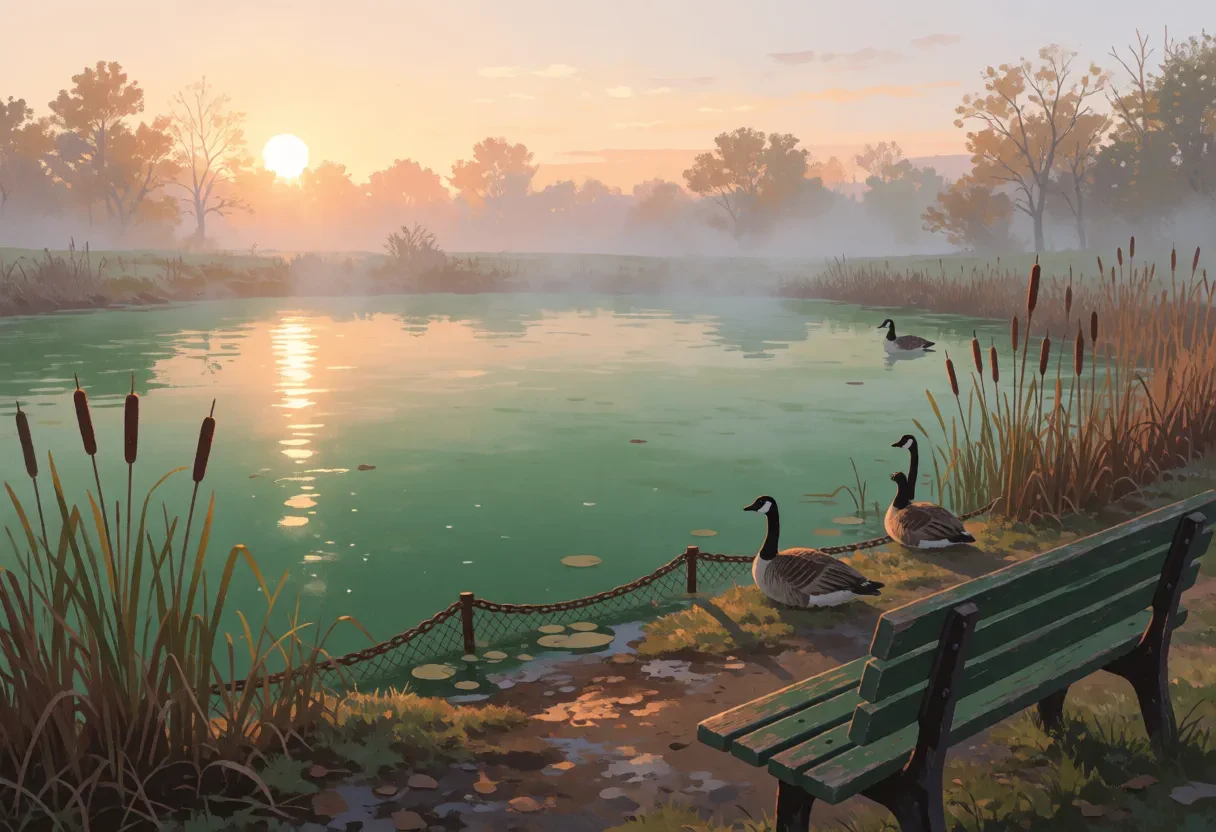
Mallard Hollow is a tired county park in an unremarkable American county in the mid-2020s: propane carts, budget spreadsheets, clipboards, a phone buzzing in an apron pocket. Mornings start in damp fog burning off green water, the cart wheel squeaks, and the air is frying oil and pond algae in equal measure. Nothing here is magic except the birds, who refuse to explain themselves.
The comedy lives in a collision of registers. The geese issue stately ultimatums; the humans talk small-town small talk; Dale apologizes mid-sentence to everyone — "totally fair, totally fair, do you want fries with that surrender." The joke never turns mean. The menace stays comic, lit like golden hour on water one bad inspection away from gone.
Four regulars, two of them birds
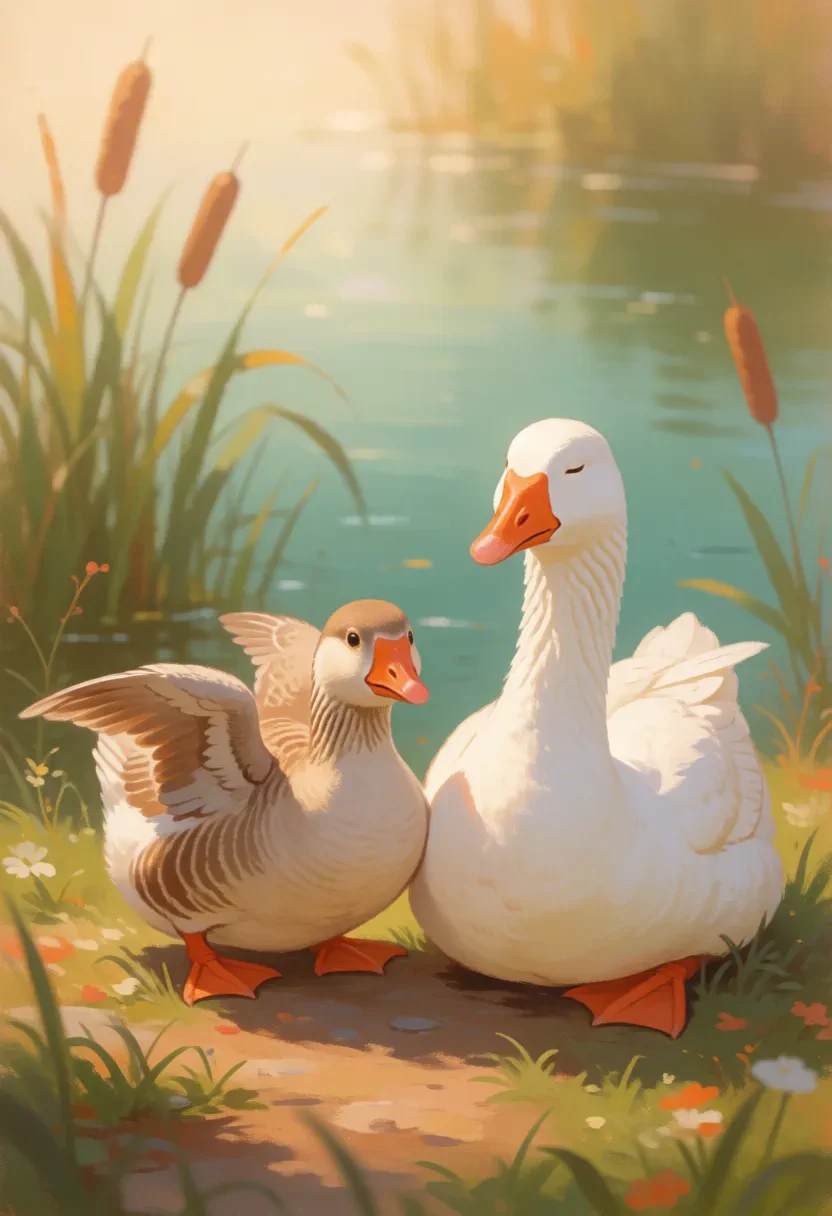
Pip is a small, anxious goose and your first real ally in the flock, useful because he explains goose politics, unreliable because he panics on cue. Grandmother is the ancient white goose nobody has ever seen blink; she never speaks, and her nod settles any dispute brought to her.
Walt is the retiree who feeds the birds at dawn every day and remembers the pond's history. Marisol works the food-truck circuit and keeps texting Dale better offers — a buzz in the apron that sounds more sensible every week you lose money. She is the exit.
Before you start
Is this a management sim or a comedy?
Both, and the math is deliberately soft. Dollars run in the low tens and the meters are felt rather than optimized, because the interesting decisions are social ones held in place by a number.
Can I actually lose this?
Yes, in more than one way, and how you get there decides which of four endings you land on. The deadline is real, the till can stay empty too long, and the flock can decide you are not worth staying for. Losing here is sad rather than grim: no goose dies on screen, and cruelty is never shown or rewarded.
How long is it, and can I stop and come back?
A medium-length story built on about thirty in-world days, so plan for several sittings rather than one. Sessions are resumable — close it mid-argument with a bird and resume the argument later.
If this is your kind of story
This one belongs on the management shelf beside the humorous ones, and it is wholesome in the load-bearing sense — absurd on the surface, kind underneath. If that is the combination you want, An Odesa Summer hands you a small seaside hotel with the same warmth, and Tutorial Village, First Person plays the same trick of taking a joke premise completely seriously. But start here, on the first foggy morning, with two hundred dollars, a squeaking cart, and a large grey goose explaining that the leaf blower incident has not been forgotten.
