The Dragon Rider Academy: Bond of the Runt

The Dragon Rider Academy: Bond of the Runt

381 turns played across 48 sessions

Available in English, Ukrainian, and Spanish

Published Updated

While your classmates pair with terrifying war-drakes, you've bonded with an awkward, underestimated runt whose strange, gentle magic may be more powerful than anyone realizes. Prove the academy elites wrong by showing them the true power of an unbreakable bond.

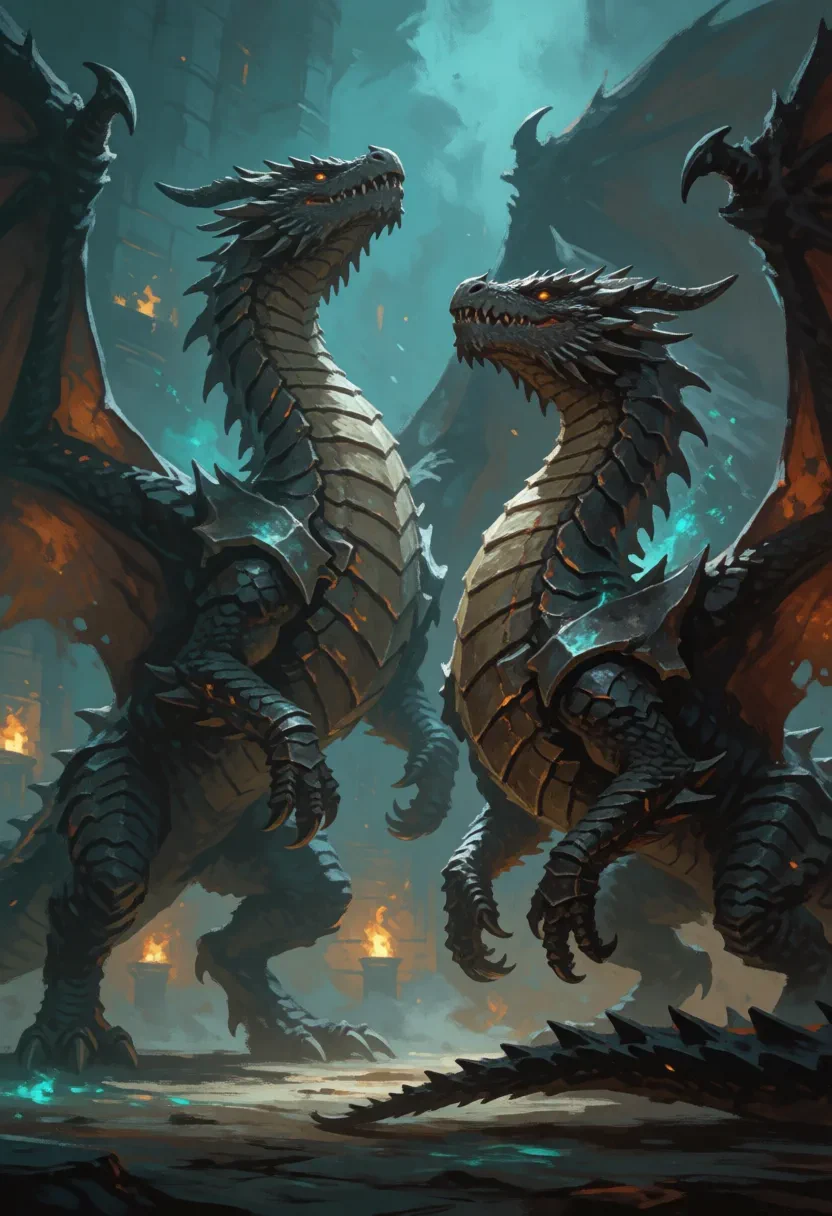
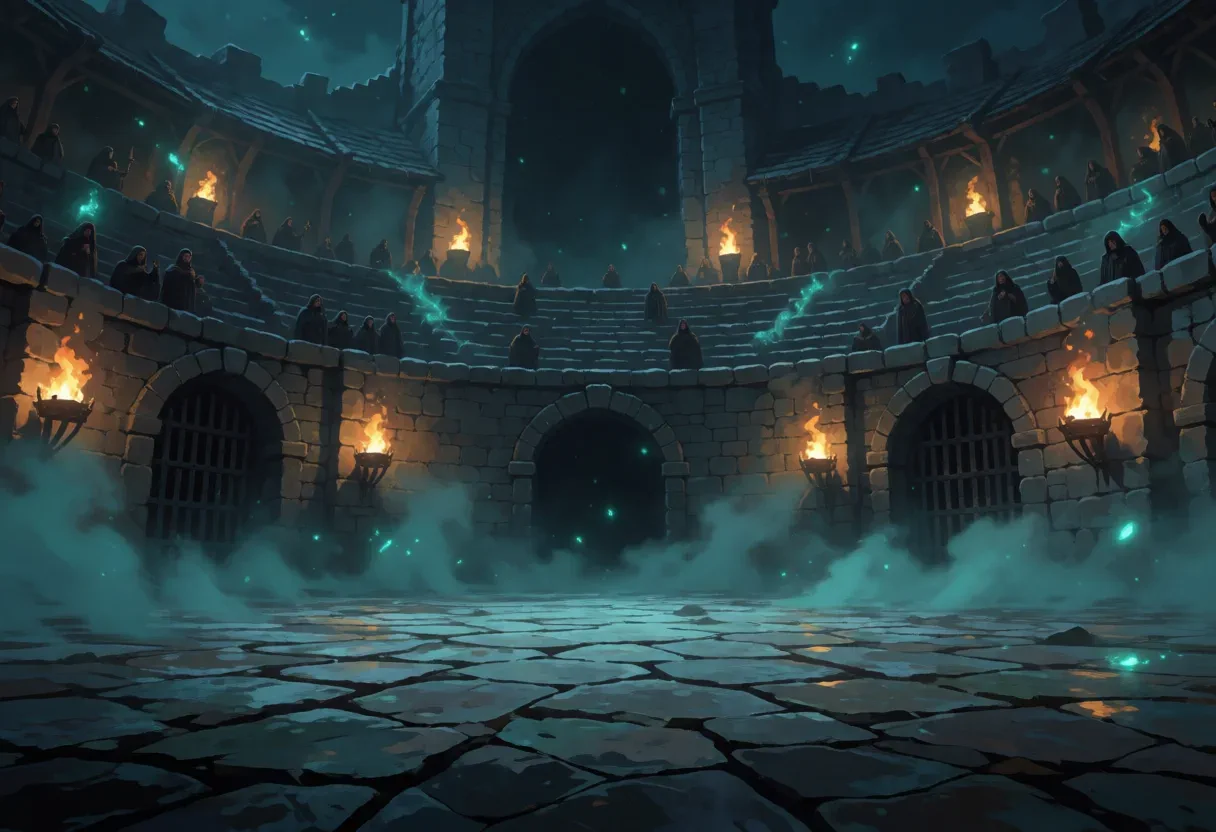
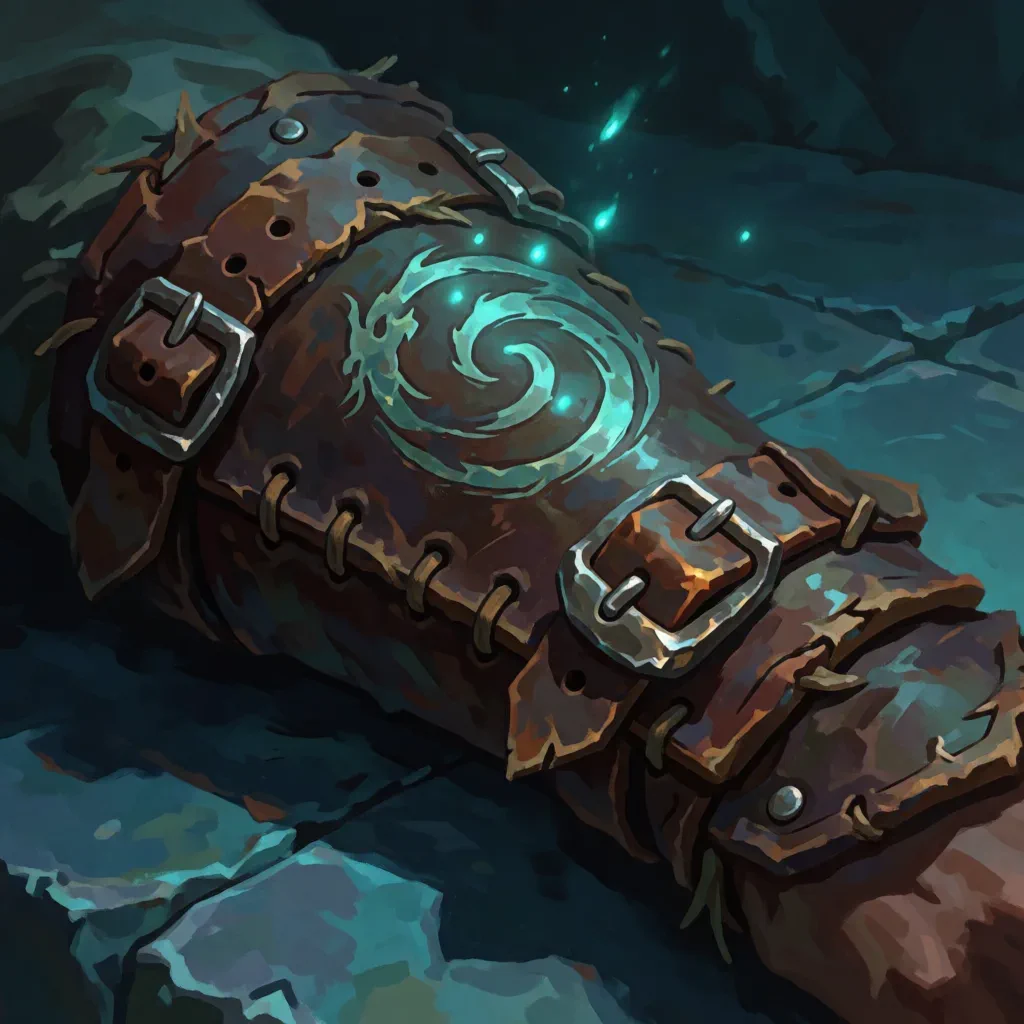
The Runt DrakeThe War-Drakes of the EliteThe Academy ElitesRowan, the Commoner InitiateThe Bonding ArenaThe Cadet Roost at DawnThe Proving Before the Ghost-DragonThe Gentle Bond-LightThe Bond-Marked Bracer

Why this dragon story runs the other way

Most initiates here are learning to command. You are learning to raise — hoarding sweet-root, patching up a stall, coaxing a runt that flies crooked into trusting you, at a dragon rider academy that grades on obedience and kill potential and culls whatever falls short. It is an underdog year in the plainest sense. The faculty have already decided how it ends, the Crimson Vanguard find you funny, and the only argument you have takes a whole year to make and cannot be made loudly.

The Academy that would rather cull than care

The doctrine is called the Iron Mandate, and it holds that dragons are feral weapons rather than partners. That makes this a magic school whose first lesson is dominance. A rider is expected to break a mount's will using the Aether-Tether, a painful telepathic control magic. Affection and patience are not merely unfashionable here. They are read as insubordination.

The Culling Order enforces that from above. Masked faculty who patrol without speaking, they run the seasonal Assessments inside the Crucible of Judgment, a cold stone amphitheatre with walls high enough to trap everything inside. Obedience, strength and kill potential are what get scored. Dragons that fall short are culled. The Crimson Vanguard handle the social half, sabotaging gear and bullying commoner initiates.

Your dragon is the one nobody wanted

Scrap-Drake is the Academy's word for a runt, and it is not kindly meant. Yours has asymmetrical wings, flies badly, and changes colour with its mood, so it can never hide a feeling. And its breath magic misfires, which is the part the Academy has no column for. Instead of fire you get flowers, soothing smoke, a warmth that heals, a run of luck too improbable to be luck. The Academy calls that defective.

There is an older kind of bond, nearly lost, that a rare dragon and rider can form. The Heart-String runs on emotional resonance rather than coercion, and no Academy scanner detects it. It makes a dragon's magic stranger and far less predictable, and the deeper the trust runs, the further from ordinary that magic gets.

What actually changes when you play

Try the Aether-Tether the way your classmates do and it fails on a Scrap-Drake. Push harder and the runt turns frightened and volatile, which is worse than useless with the Culling Order watching. Calm it, play with it, guide it kindly, and it does things the Academy has no name for. So the choices the Iron Mandate reads as weakness are the ones that work, and you keep making them under pressure, in your own words.

How far your dragon trusts you shapes where all of this lands. The First Year Trials test it in the open, with your dragon's place at the Academy on the line. There is more than one way this ends, and not all of them are kind. The blog explains how the narrator handles what you type; here, the only thing weighed is what you do with the Scrap-Drake.

The people who will make or break your year

Your rival is Seraphina Vance, who leads the Crimson Vanguard, rides the Shadow-Wyrm Malice, and openly humiliates your dragon. Under the imperiousness she is frightened of Malice. The one who can end your year is Master Ignis Blackwood, Chief Instructor and head of the Culling Order. He wears an eyepatch from an old dragon rebellion, believes only domination keeps riders alive, and wants you gone. Old Barnaby plays the harsh taskmaster whenever nobles are watching, then leaves extra rations at the Muck Stables and talks in riddles about the old ways. And Pip, a timid scholarship student bonded to an unremarkable Mud-Drake called Lummox, is the closest thing to found family here.

Where you'll spend your time

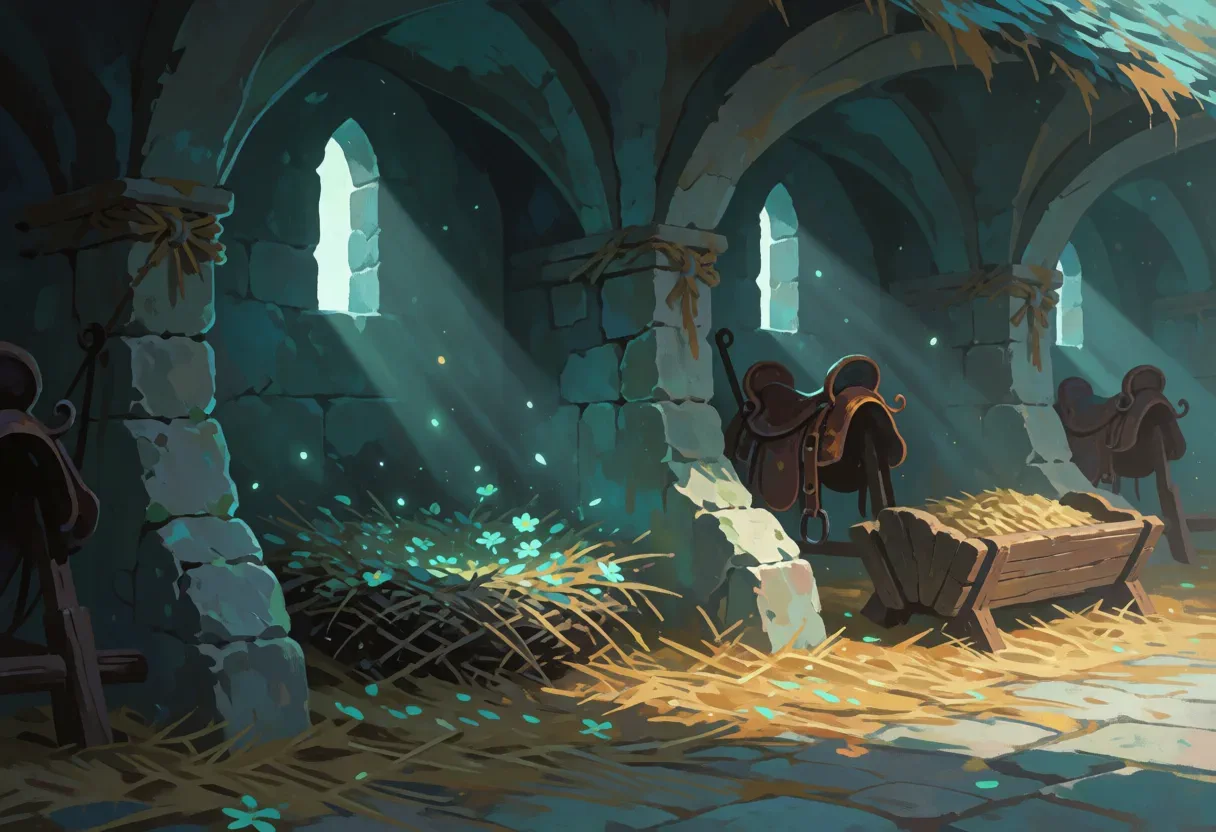
You are not welcome in the Pyre-Glass Aviary, a black obsidian dome cut with enchanted stained glass, where the air reeks of ozone and ash. You are welcome in the Muck Stables, more or less, because nobody else wants them — a half-collapsed barn for sub-standard mounts, one stall of which you have quietly made warm with pilfered blankets and soft hay. The training you cannot do in daylight happens in the Whispering Brambles, old forest knit tight enough to keep out the sun and the Culling Order both.

Before you start

Do I actually raise the dragon, or just ride it?

You raise it. Flight is graded, but most of what you do is stable work and quiet training — sweet-root smuggled into a stall, unseen sessions in the Whispering Brambles, learning what settles it. The riding is the exam. The raising is the story.

Can I actually play this kindly, or is that just flavour?

Kindness is the mechanism, not the mood. Rough handling leaves the runt fearful and volatile, while calm reassurance and affectionate guidance unlock its most extraordinary abilities. The Academy punishes you for it regardless. Blackwood's threats do not soften because you are being decent.

How long is it, and can I stop and come back?

It runs from the day the runt is assigned to you through the last of the First Year Trials, and sessions are resumable, so you can leave the Muck Stables mid-scene and pick it up later.

If this is your kind of story

If you came for dragons but not for grimdark, this one runs warmer than its dark academia surface, closer to wholesome than to slaughter. There are more fantasy stories on Loreon afterwards, including The Chronicles of Echoria: Key to the Eclipse and Ossuary of the Frost Titans. Start here, though. A runt nobody wanted, and one person willing to be gentle with it somewhere that calls gentleness a defect.