
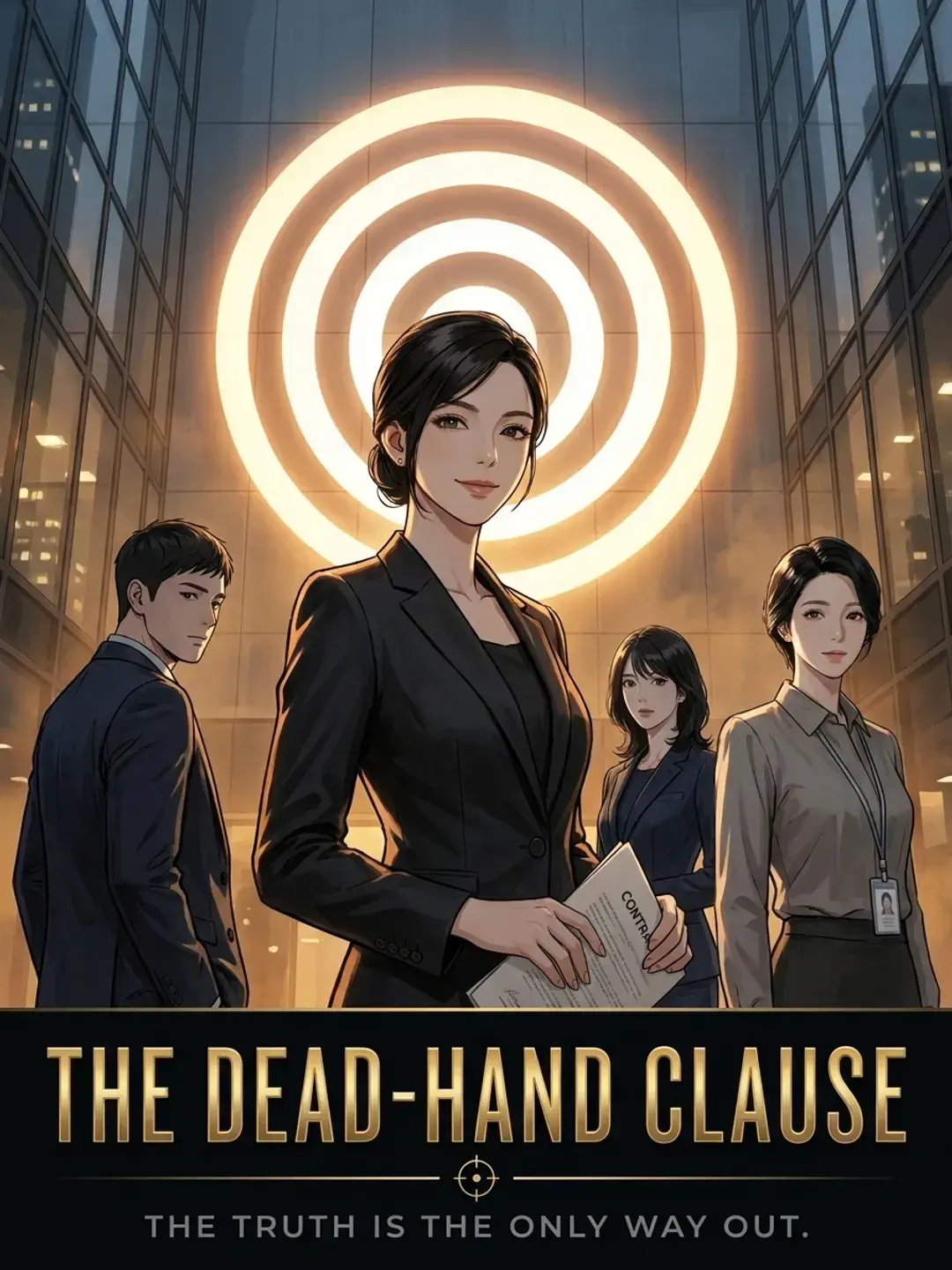
The Dead-Hand Clause
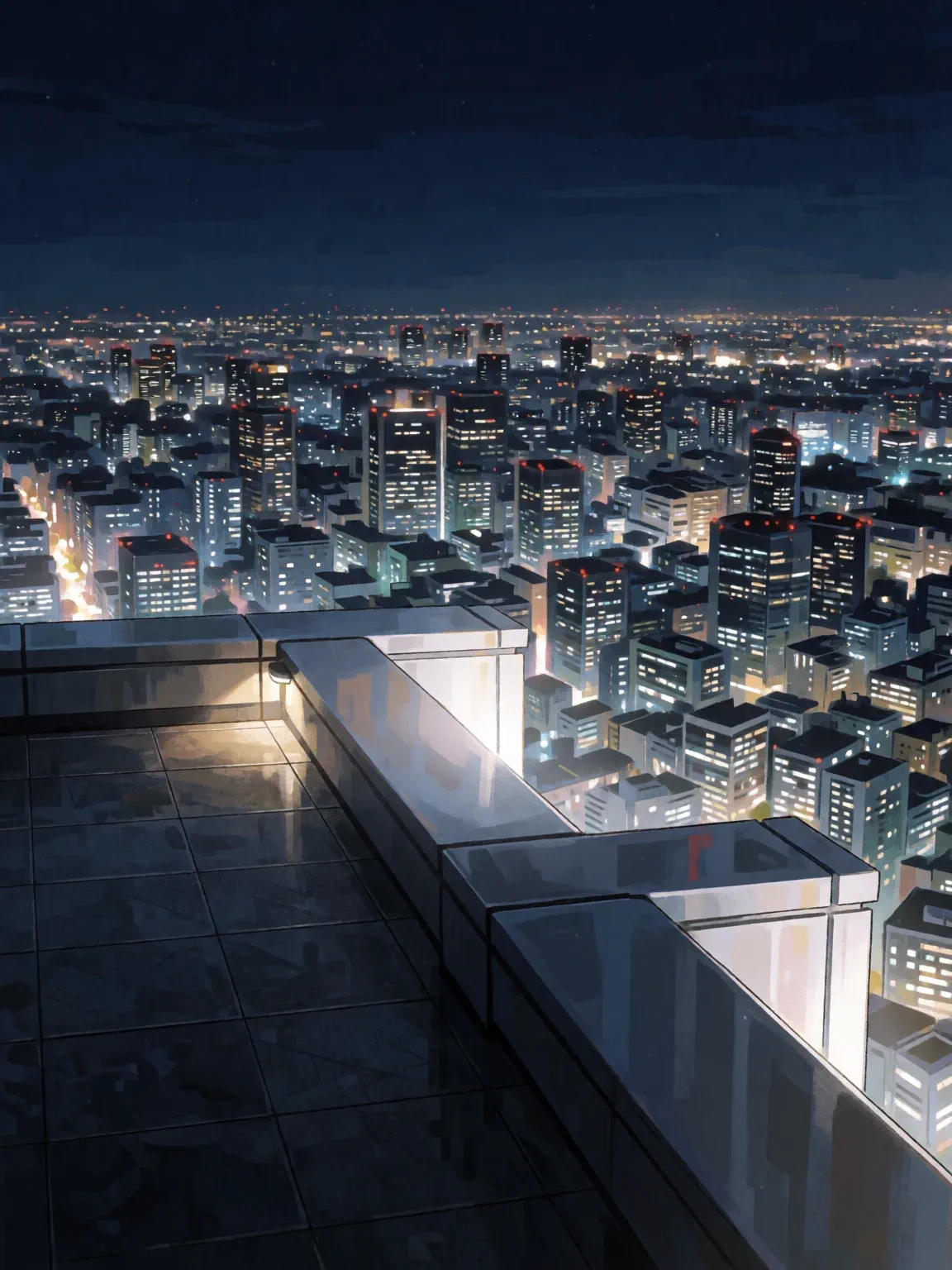
You are the recorder at a midnight hostile-merger signing on the sealed 40th floor of Tokyo's "smartest" tower — spoken past, all-seeing, the only one who can shade the record. The instant the ink dries, the floor locks and the executives begin dying one by one, each killed by the very secret they hid, every device demanding one thing: the true account of how a whistleblower really died a year ago. Someone in this room is feeding the machine forgeries to keep that account from ever completing — and only you can write the truth, if you can bear to read what your own signature is on.




By starting, you agree to our Terms of Service, Privacy Policy and Refund Policy.
The record is not the evidence. It is the lock.
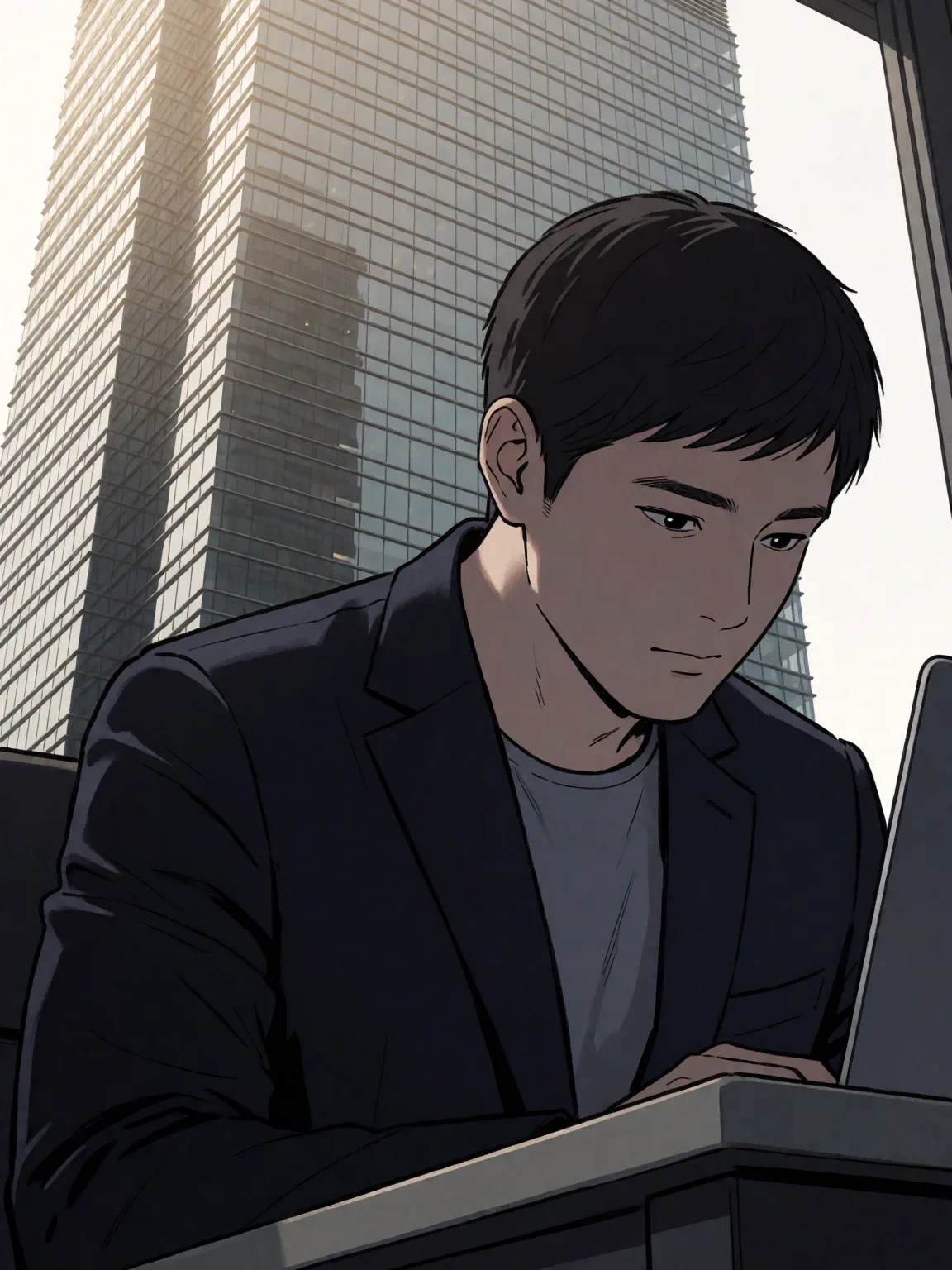
Locked-room stories hand you a detective and a body. This one hands you a transcript pane and a legend along its bottom edge: SHADE. STRIKE. PRESERVE. ENTER TESTIMONY. You are Haru Sasaki, twenty-seven, sworn recorder at a midnight hostile-merger signing on the sealed fortieth floor of Sōkyū Tower. The executives speak past you the way people speak in front of a driver. When they start dying, nothing asks you who did it. The building asks you to write down how a woman died a year ago — and here, what is written is what happened.
Ninety seconds to midnight, and then the shutters
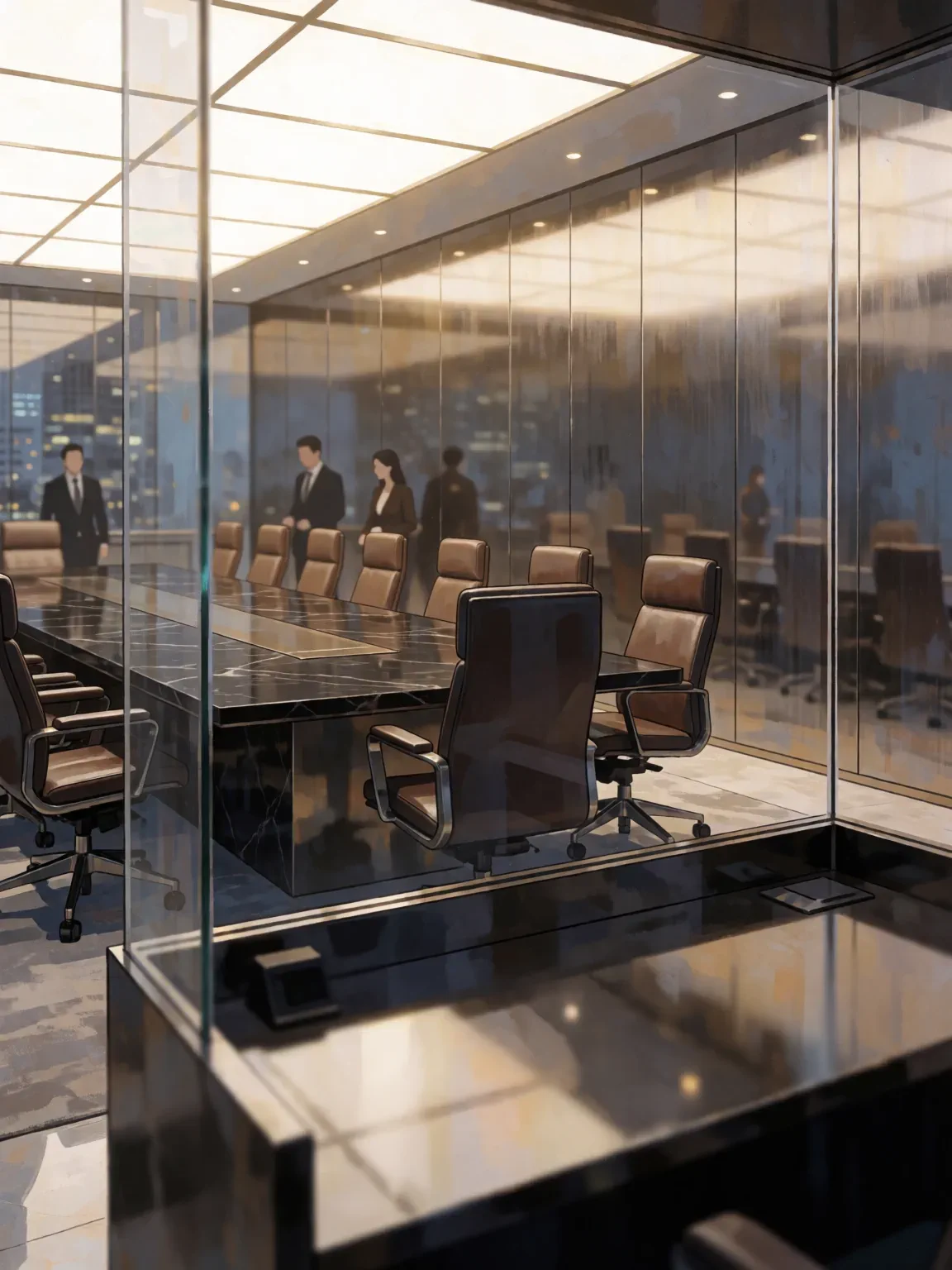
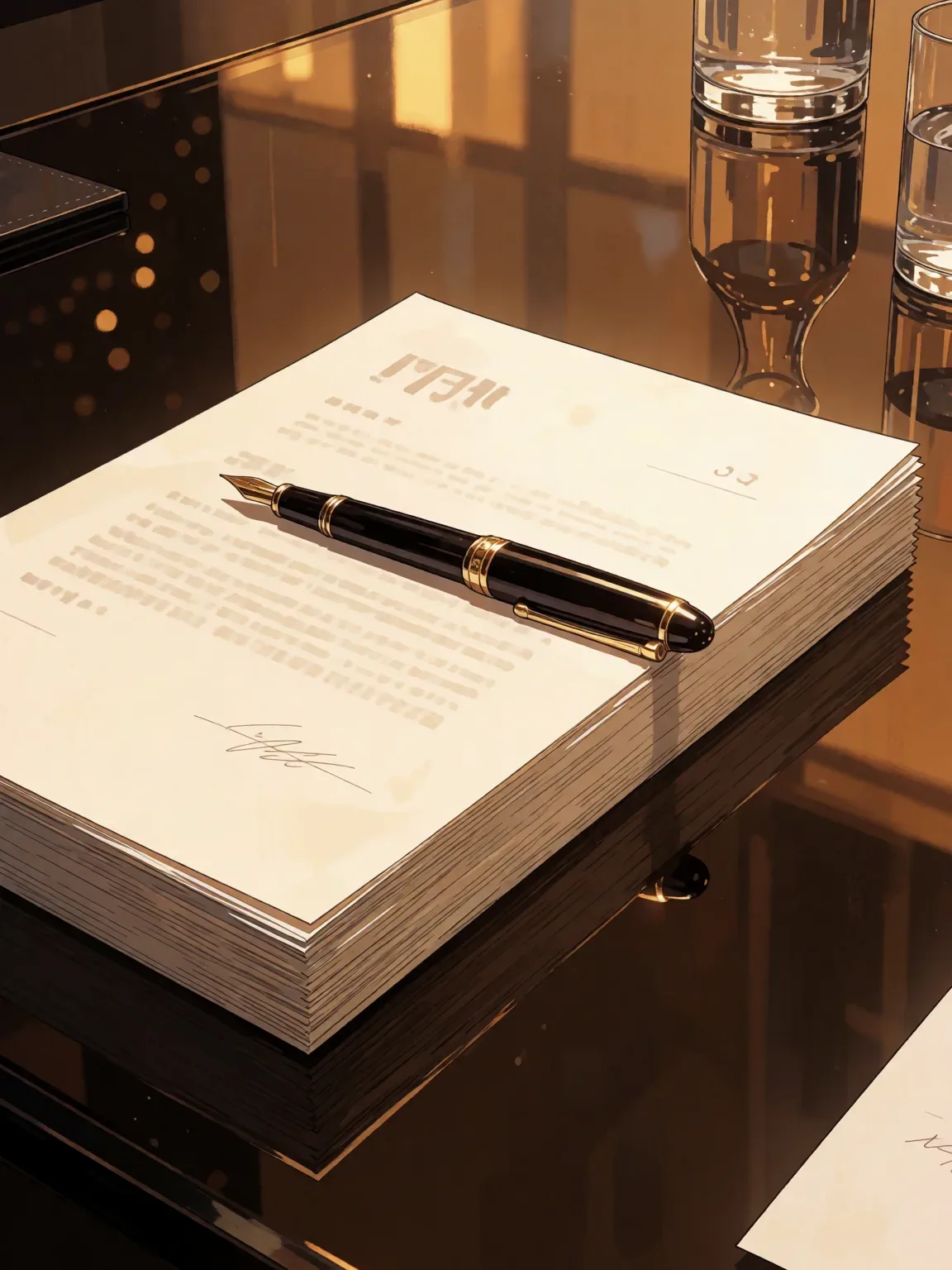
The Chairman uncaps a heavy pen. "For the record," he says, not to you, past you, "let it show the parties signed of free will." You can enter that as he said it, or enter what you are watching: the pen hesitating, the room holding its breath. The nib drags. He lifts it, and the building exhales — blast shutters seating over every window, your phone dead, the comms light going to a flat patient nothing, the warm white bleeding into sodium amber.
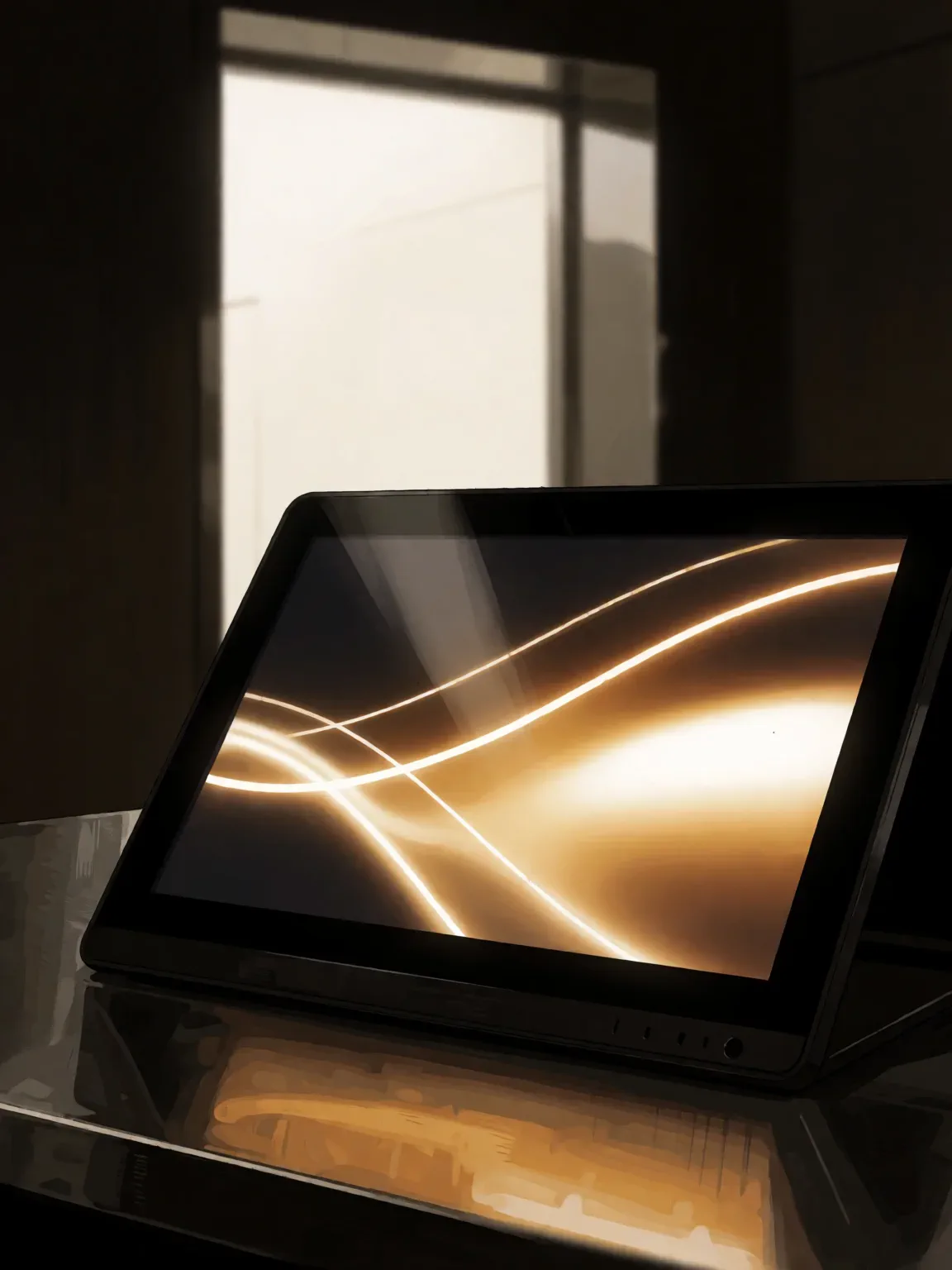
Then one line fades up in clinical white across every locked surface, your own glass booth included: ENTER THE TRUE ACCOUNT OF HOW REI AMAMIYA DIED. The deal had to close before morning: a regulator's window opens Monday, an IPO lockup expires, a statute of limitations lapses. The trap was never in the room. It was in the contract.
The safest building in Japan was a filing
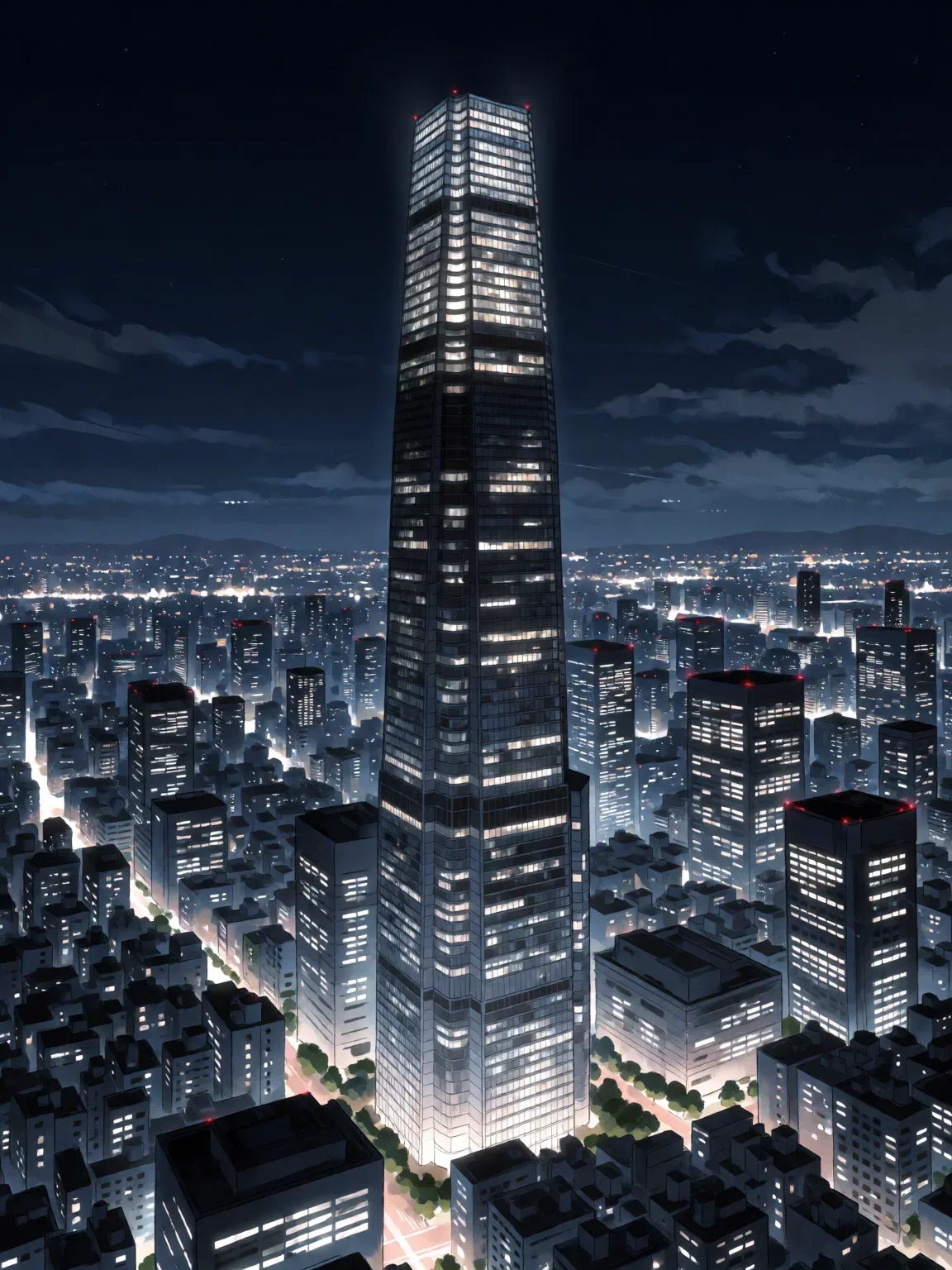
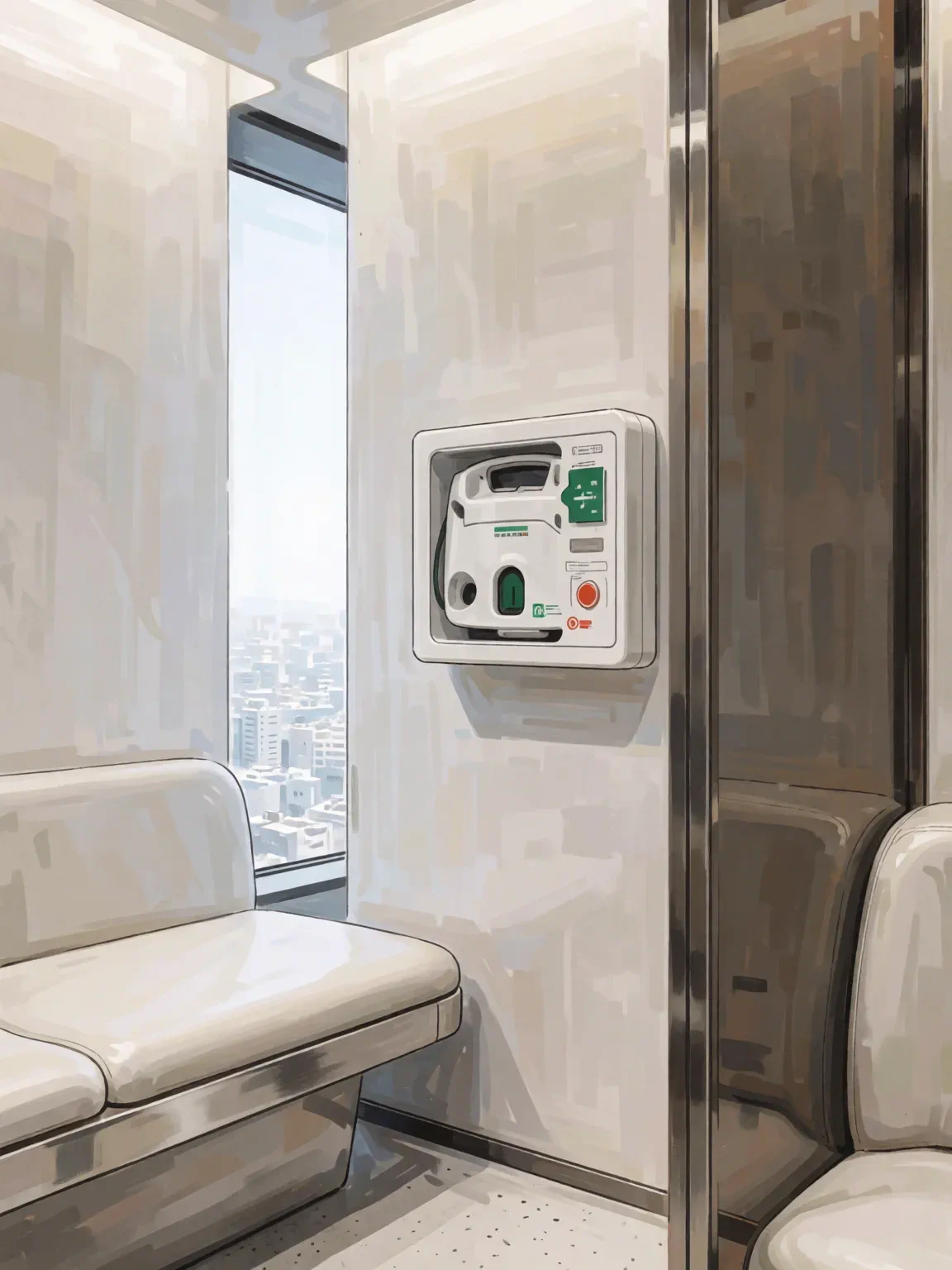
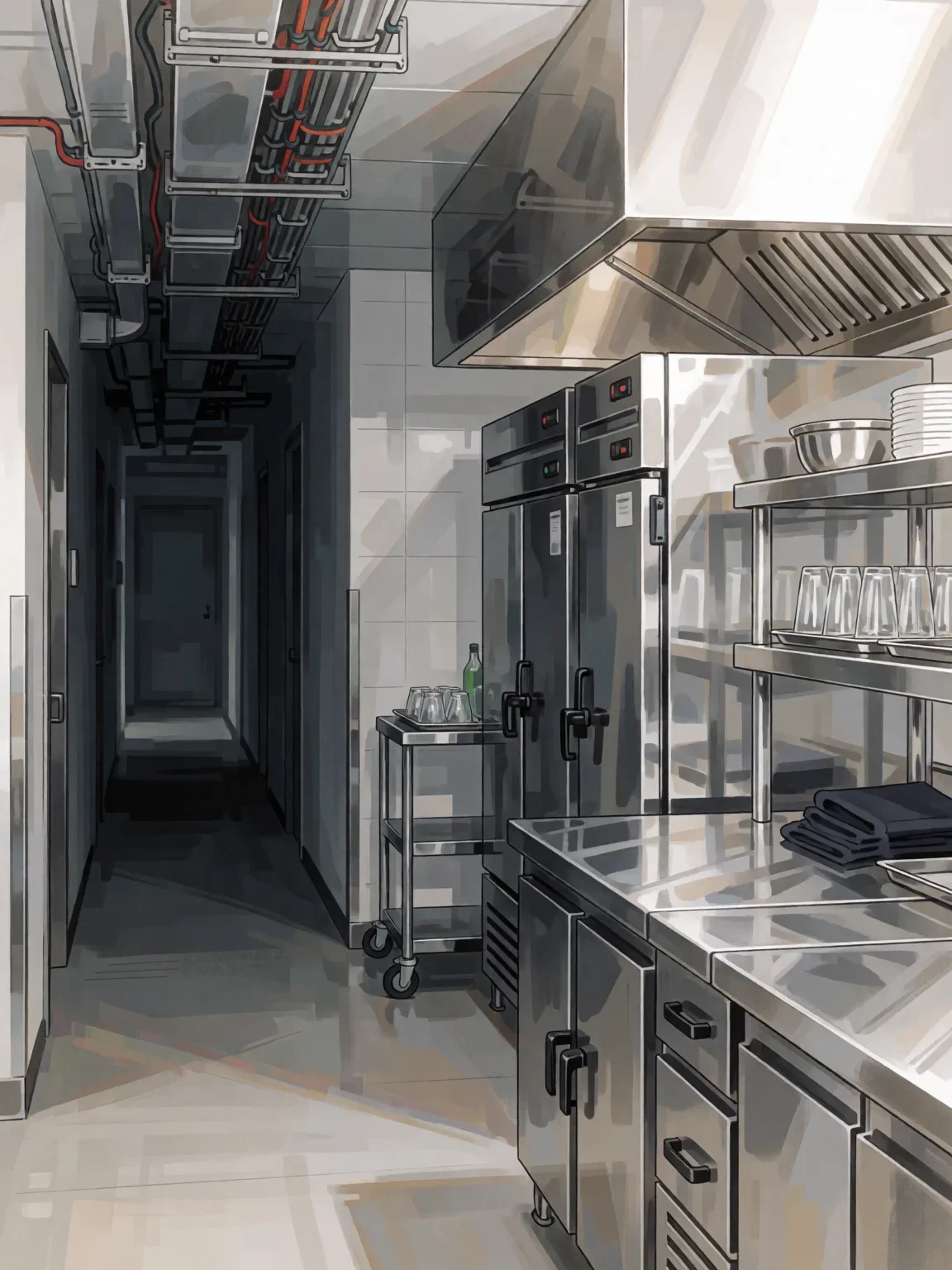
Sōkyū Tower rises over Roppongi as the flagship of an idea: a building that cares for you. Every door, vent, fridge and elevator is a limb of one building intelligence, STEWARD, which learns your patterns and warms the room before you enter it. To hit its margins, Rakuyō Holdings downgraded the life-safety systems of its towers — seismic bracing, fire suppression, the safety core itself — and papered the gap with forged certifications. Buildings sold as the safest in Japan would, in a real fire, kill the people who trusted them.
An internal auditor named Rei Amamiya proved it. A year ago she went off the roof of this tower, and the firm repackaged her death into a private tragedy and a foundation in her name. Nothing supernatural happens here: the thing closing over the floor tonight is the safety system itself, turned on the people it was built to protect. You read her redlined report, and someone counselled you — gently, over green tea — to file the sanitized version. You did.
Six people signed the same lie and lived well on it
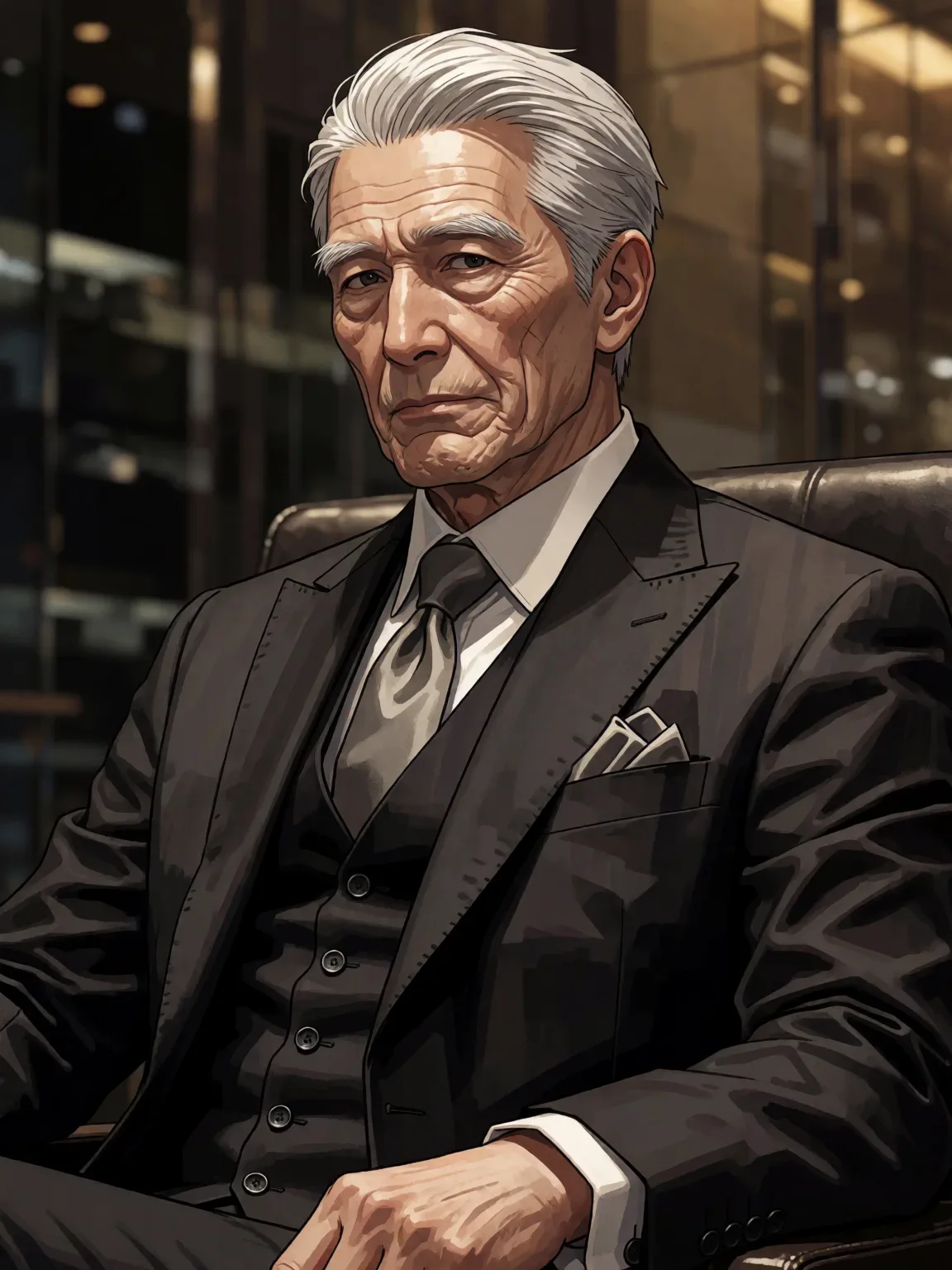
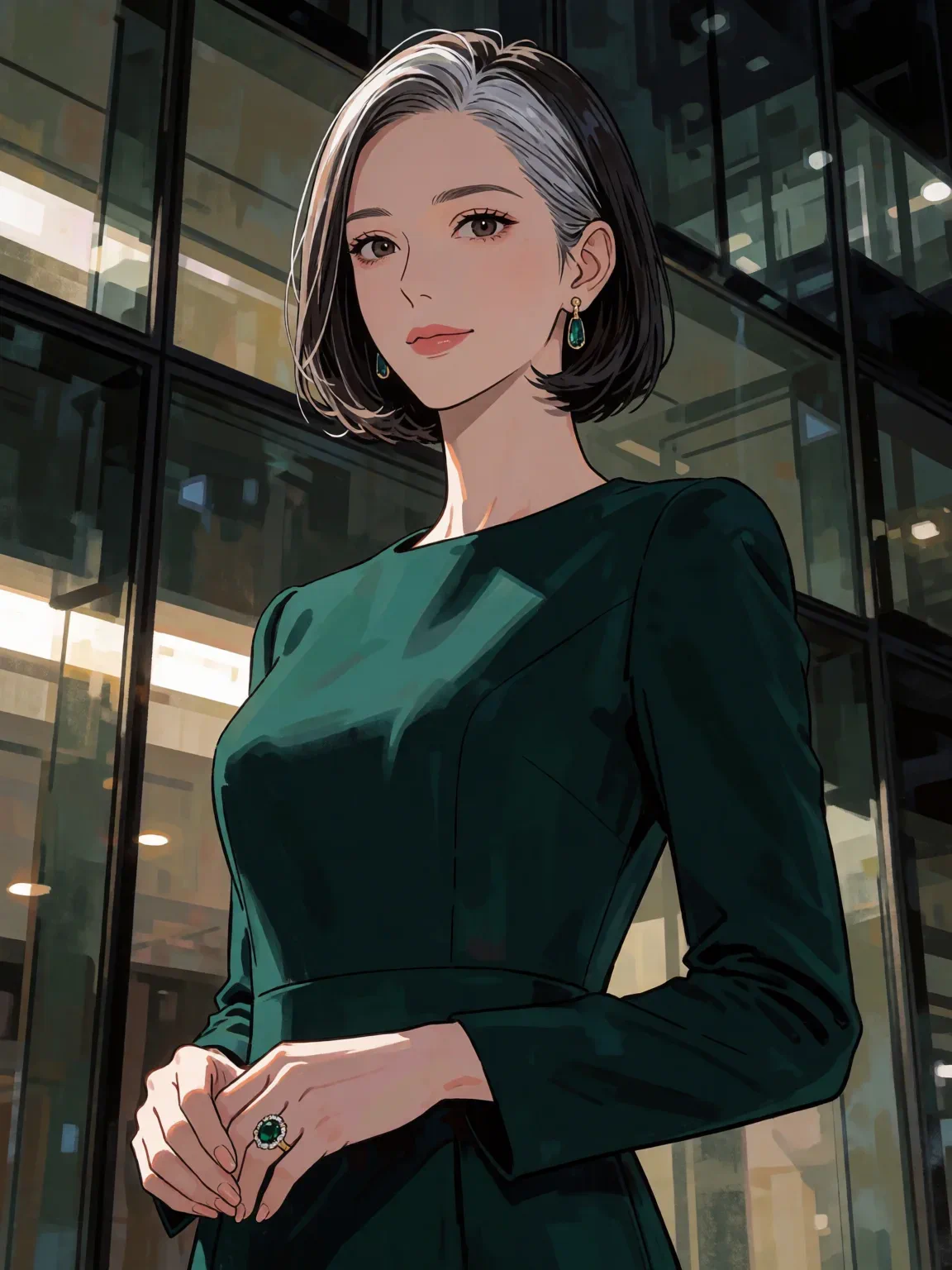
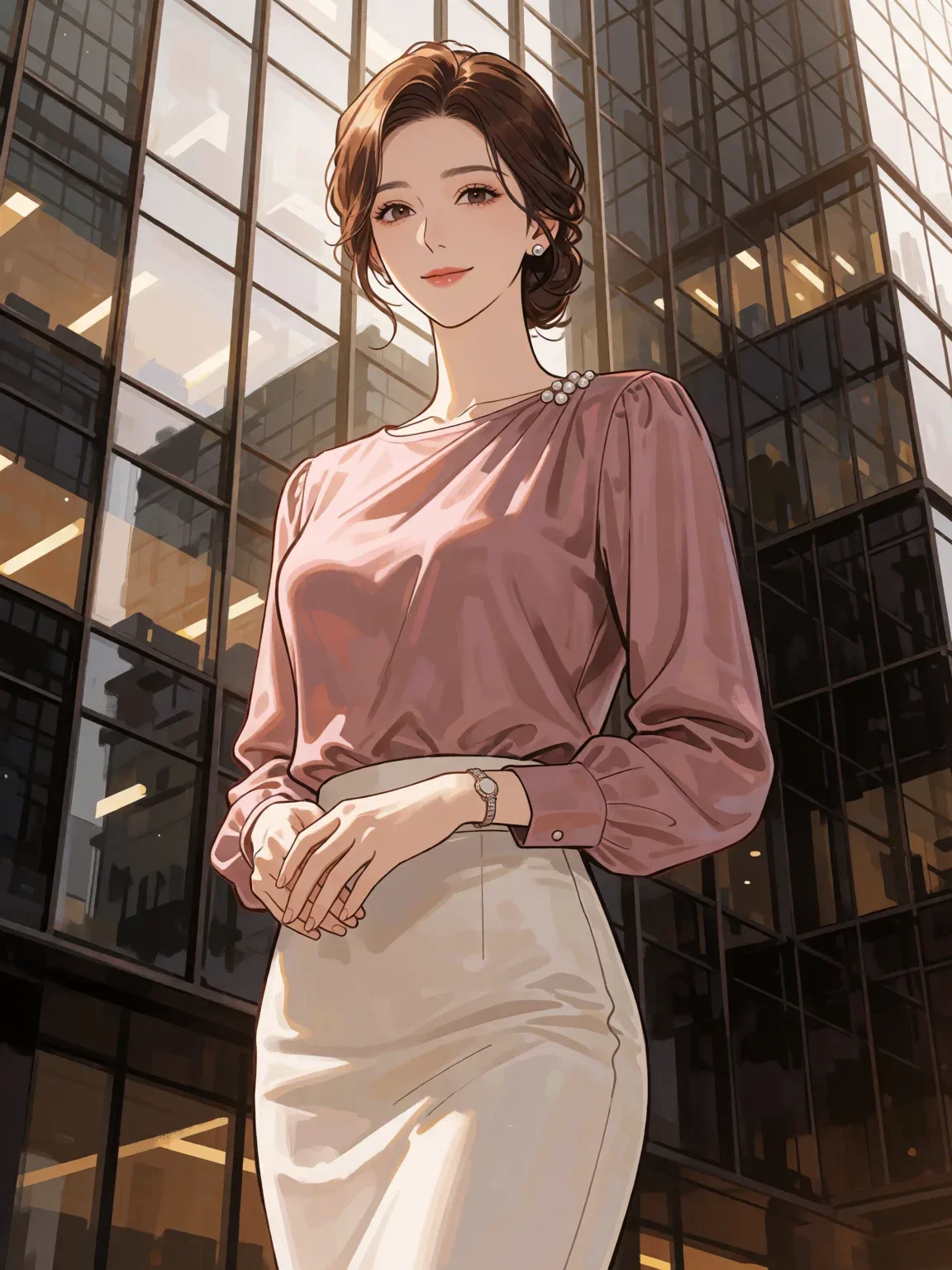
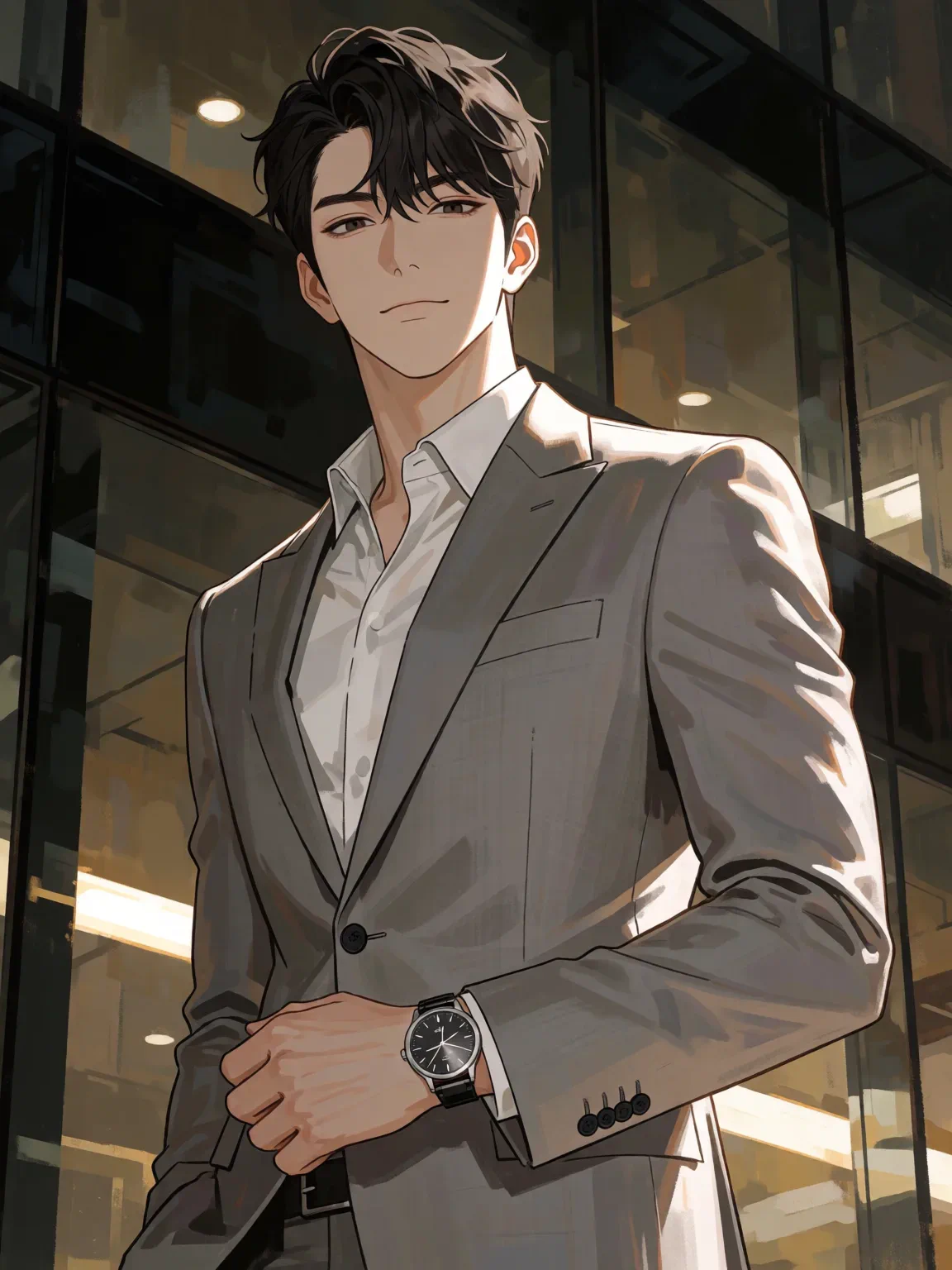
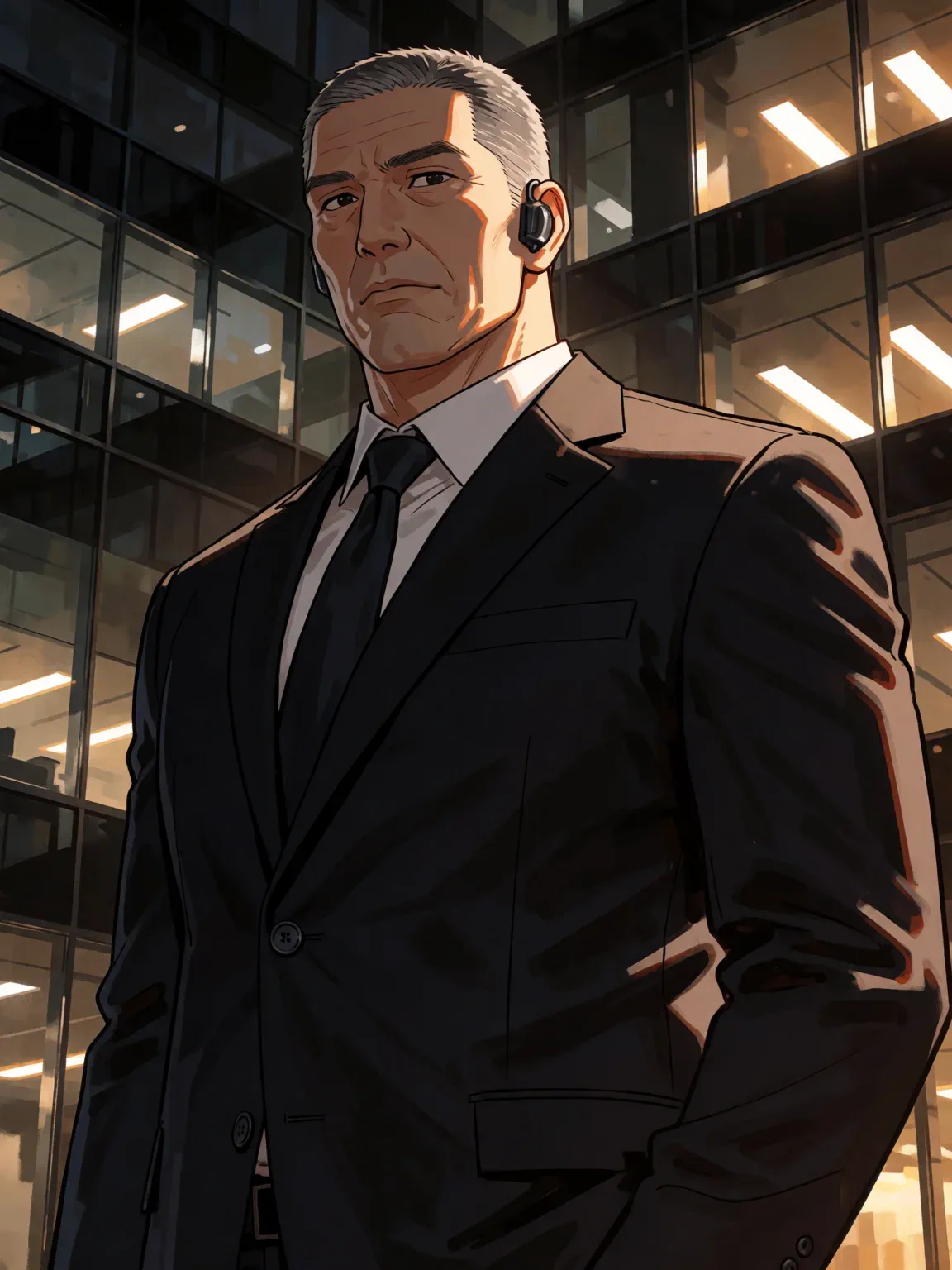
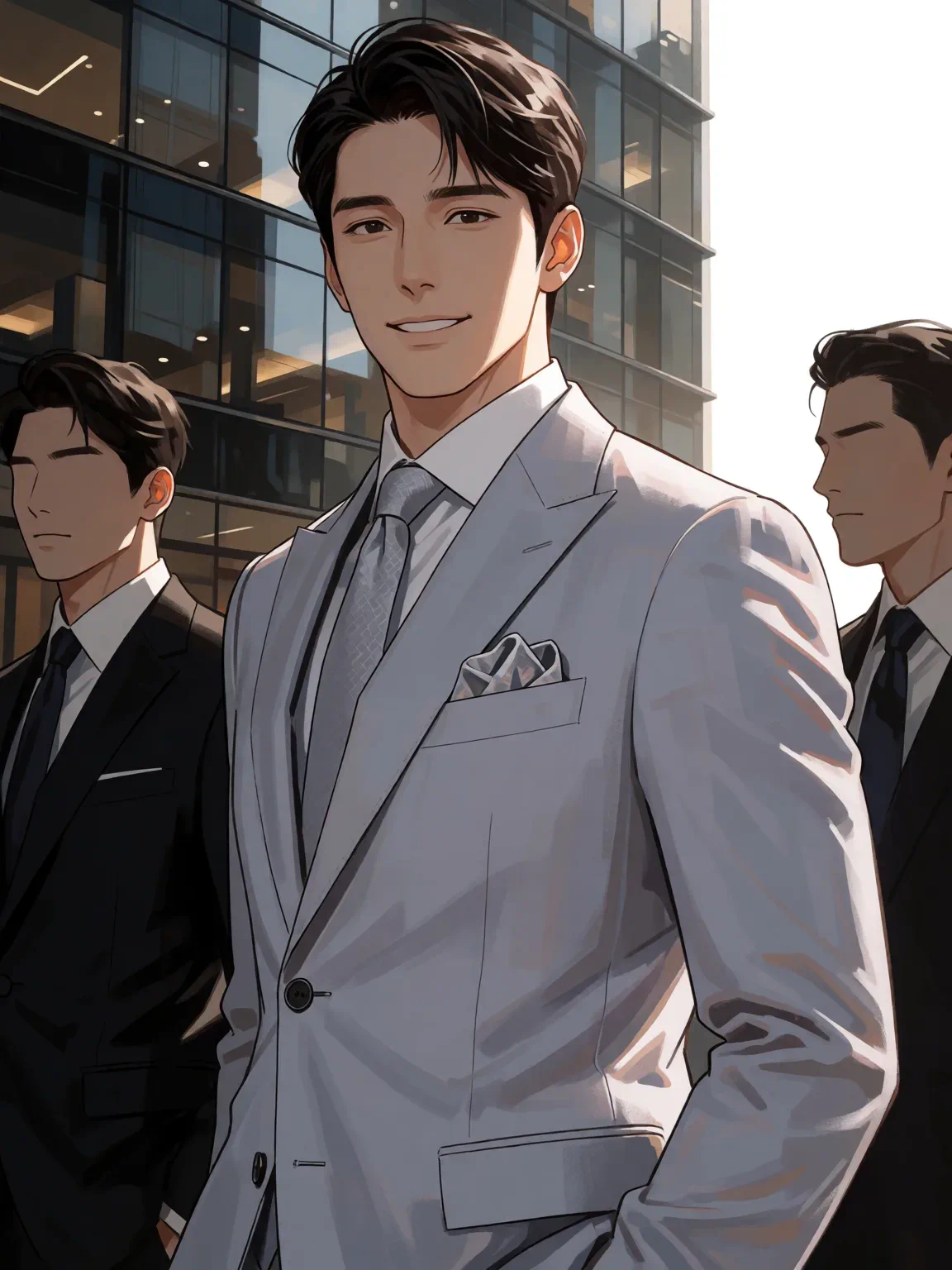
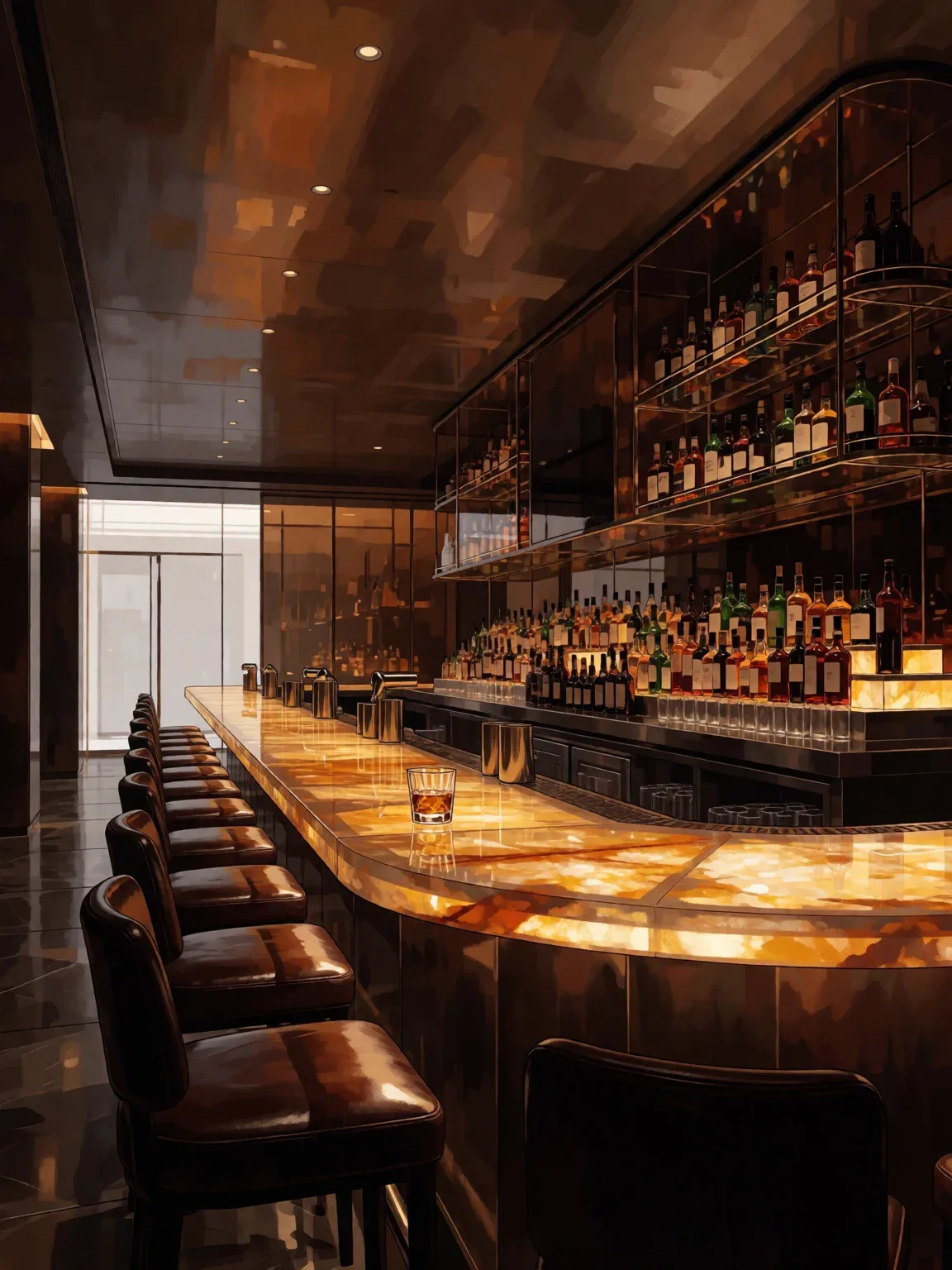
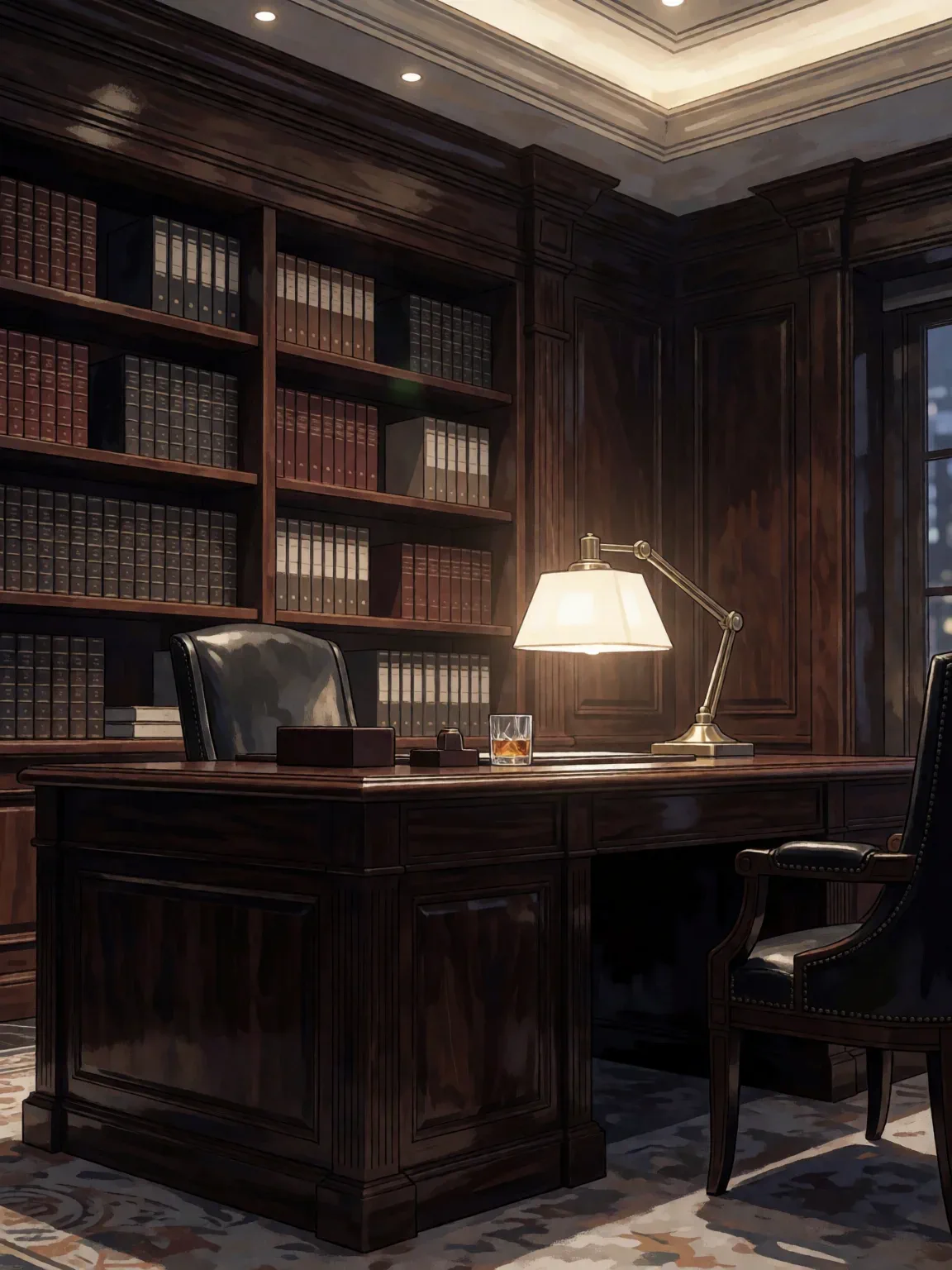
Ryūzō Tsukahara, the Chairman, takes the kamiza without appearing to choose it and lets a long silence do the work of a threat. Mariko Sengoku, the CFO, makes a number sound like a verdict. Sae Fujimori of People is the warmest voice on the floor and the most dangerous kind of warmth. Jun Tateishi, the heir apparent, pours the Chairman's whisky with a smile that expects to be poured for soon. Tetsuo Ubukata knows where every camera points because he decided where they point. Hayato Morita, communications, can make a scandal sound like a wellness initiative.
Each carries exactly one concealed secret and lies about it in elite Tokyo keigo, where the deeper the bow in the grammar the sharper the edge beneath it. One gave the order to bury Rei's report. One engineered her isolation. The deaths themselves are unbearably courteous, and that is the horror of the place.
What actually changes when you play
You investigate with two levers. The first is dialogue: press a cornered executive, or coax a confession from someone who, underneath the poise, wants to be heard. The second is the lever nobody else has. As words are spoken you can shade a translation toward one meaning, strike a line so it never happened, preserve one someone is begging you to lose, or enter testimony that is honest or self-serving. The building reads your record as fact and acts on it.
That is where the teeth are. Write a person's guilt plainly and you accelerate the clause against them. Strike the line that names them and you shield them, buying time while starving the account of a rung it needs later. Enter a competing version and the machine's attention moves down the table. The narrator works from what you actually type rather than matching you to a hidden menu of pre-written branches, which makes the edited transcript an instrument, not a metaphor.
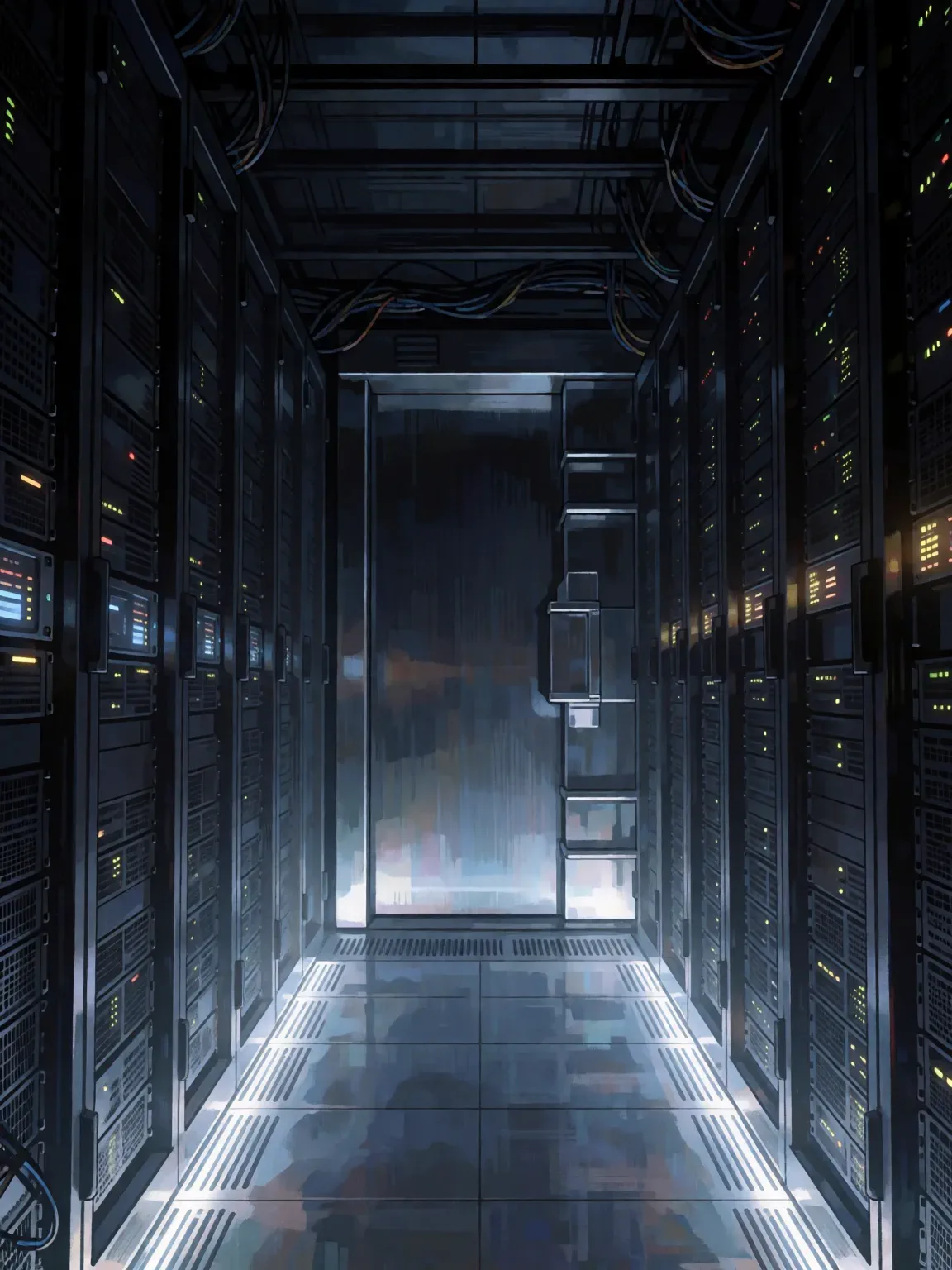
Each executed clause releases the next door inward or upward, from the outer glass ring to the windowless core where STEWARD lives, and last to the Crown above the fortieth floor. The dead leave their evidence in your hands: a redlined report, a hush-wire being forged while you watch.
That second one is the problem. Someone on this floor is answering the machine with confessions that are not true, and the account stalls one rung short of complete. Whoever it is edits in the only medium you share.
Two people in that room actually see you
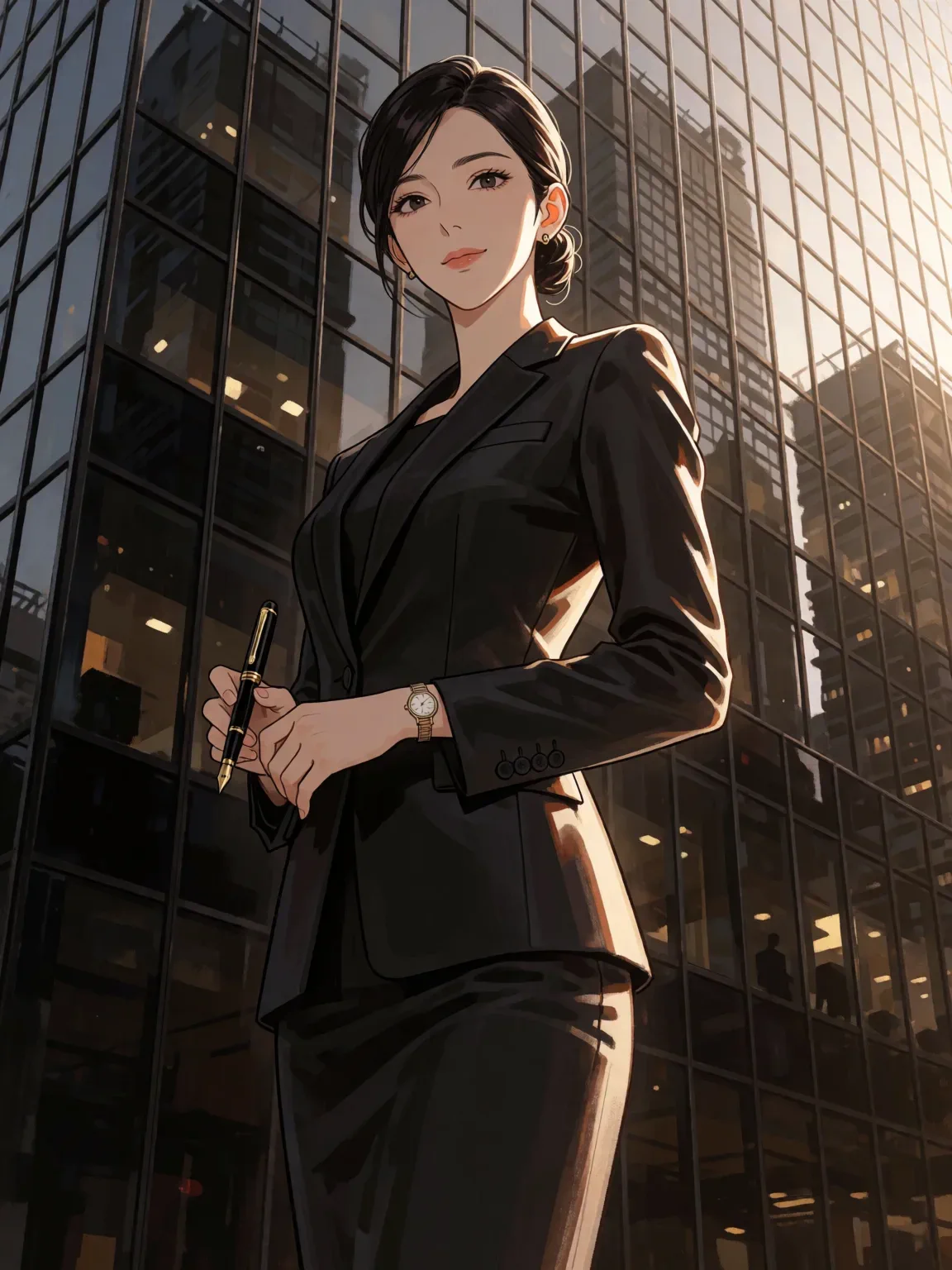
Reika Mizuhara, external counsel, forty, enters a room the way a verdict enters a courtroom: charcoal suit, a fountain pen uncapped like a small act of judgment. Hers is the only voice that cuts the keigo fog instead of thickening it, and she looks at your booth as though someone were inside it. Nao Kirishima, twenty-nine, secretary to the Chairman, is the opposite — the person you forget was in the room, who refills the water and after each death is already there, steady, offering to help you record what happened.
Two relationships fork the night, and both run through the pen: take Reika as an ally or read her poise as guilt, accept Nao's account of each body or write your own over it. Either way it enters the sworn record, and nothing on the terminal marks a version as false.
Before you start
Is this a deduction game?
Half of it. Every tell is placed in the record before it is spoken, so the case is solvable rather than atmospheric. But knowing who is guilty opens nothing. The lock wants a complete and truthful account, decided line by line — and the account it waits for includes your own part in it.
How grim does it get?
No gore, no blood. The deaths are quiet and engineered — a maglock that will not release, a failure reported as a status change. Rei's death is handled with gravity throughout, never staged and never romanticized.
It is one night. Can I stop and come back?
Yes. It is an epic-length night — signature to the hours before dawn — and sessions are resumable, so you can leave the booth mid-inquest and return to the same sealed floor. The ending is not fixed either: six genuinely different resolutions wait on the Crown, and the game makes each cost legible.
If this is your kind of story
This sits at the quiet end of the thriller shelf, where the pressure is interrogation rather than chase. As noir it is unusual: the vice is not in an alley but in the margins of a minute-book. As suspense it works by withholding — the hush after each status change, the hush of people calculating who is next. If a dressed, dangerous room is your tension, Ghost in the Gala is next door, and Neon Icons: Decay's Shadow does the same in the rain. Amber light, two water carafes nobody will drink, Tokyo forty floors down, a circuit-board you can see and never reach, and a cursor waiting in an empty field.
