
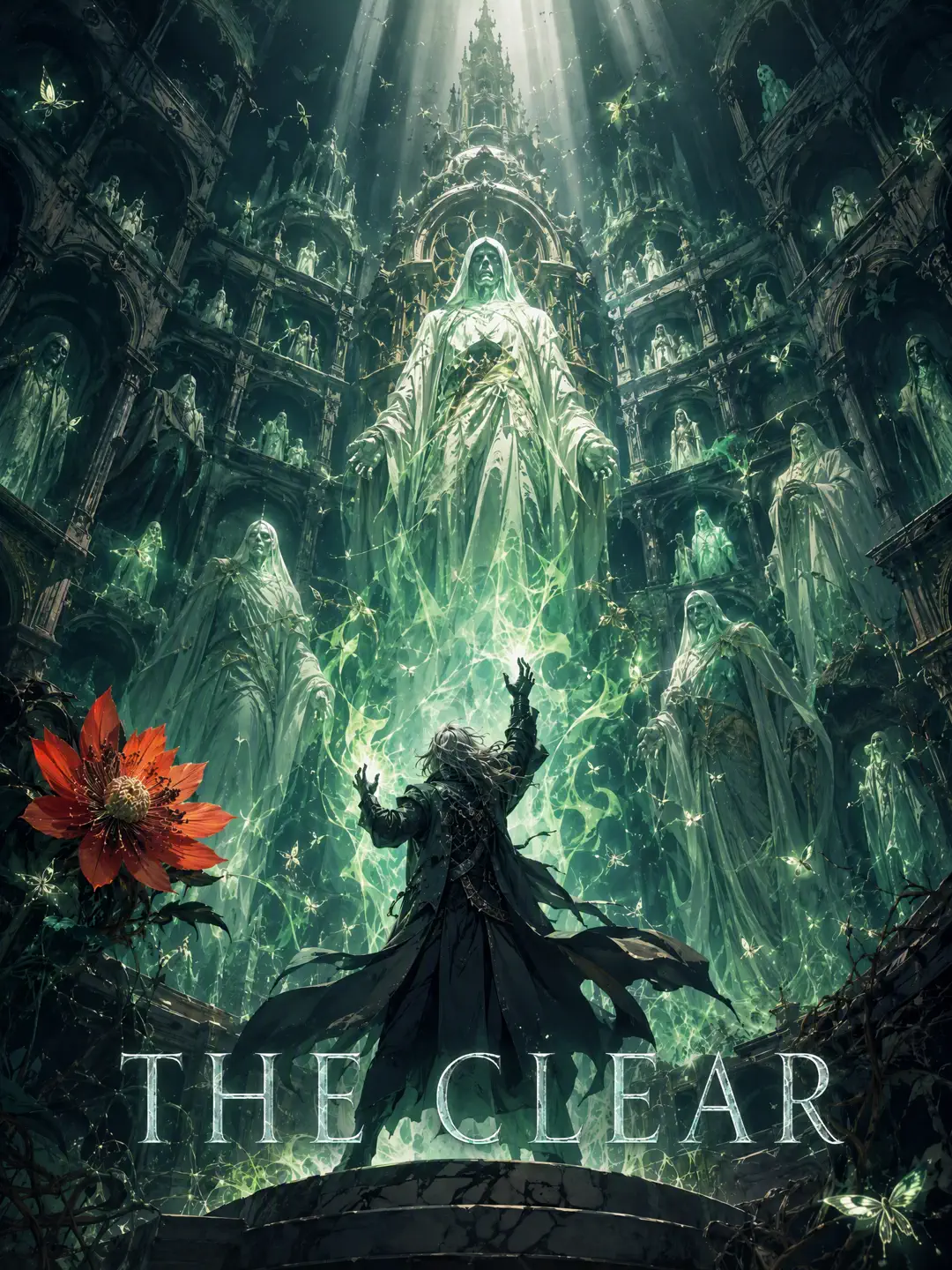
The Clear
In a country that taxes calm and fines weeping, the dead are graded like wine and only the calm can be raised. You are Alder Quen — a small, unlicensed griefbroker on a storm coast, hiding that your sorrow can wake the lucid dead. Then a smuggler shows you a child in her cellar who answers to your daughter's name, a daughter you know died too afraid to ever be raised. Investigate a forgery, a miracle, or something between — and follow it up a thermometer of a map toward the lie the whole state rests on, knowing all the while that the only way to get her back is to stop grieving her, and that stopping unmakes the power that could free everyone.







By starting, you agree to our Terms of Service, Privacy Policy and Refund Policy.
A third bowl on the table, and a child in a cellar who answers to your daughter's name
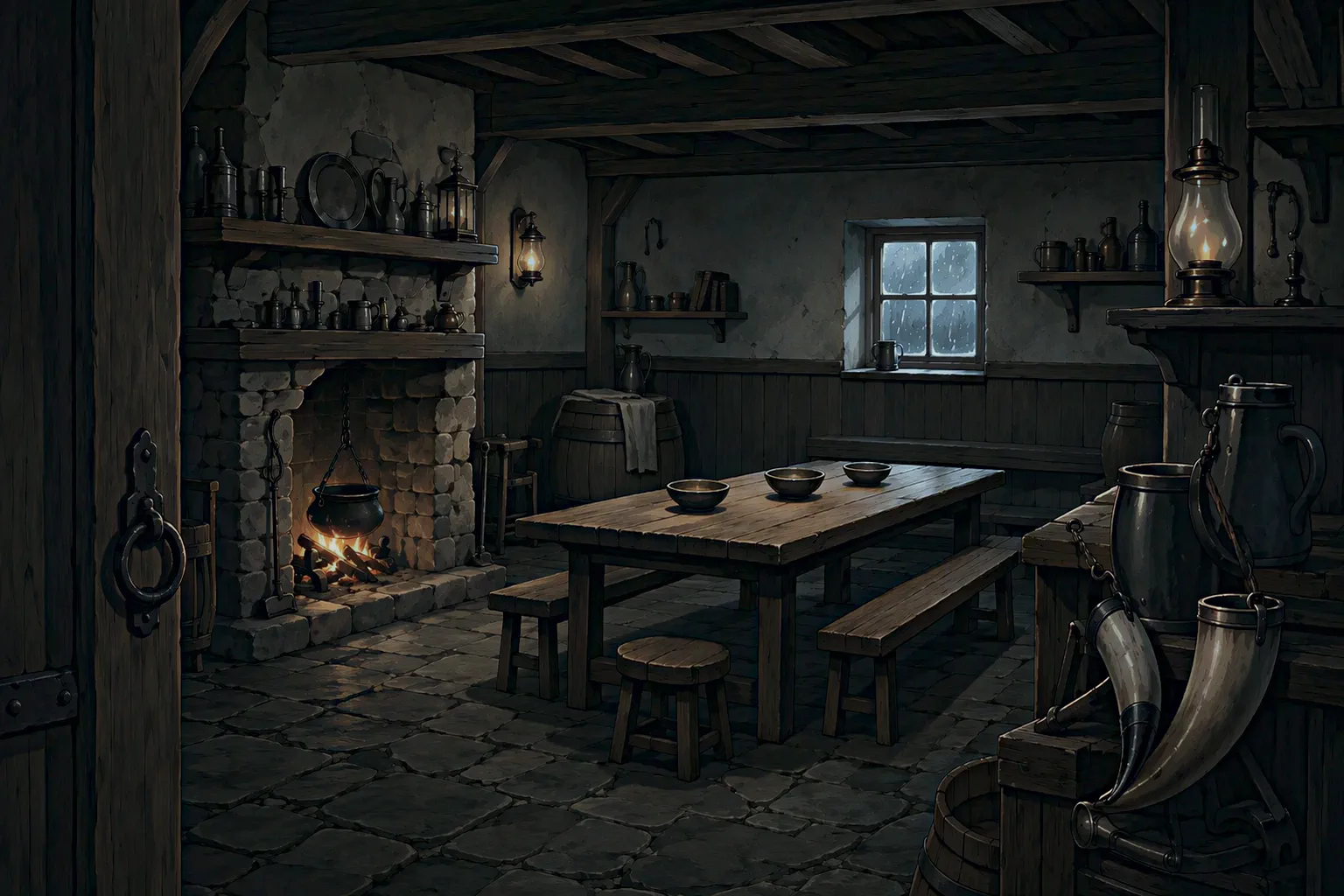
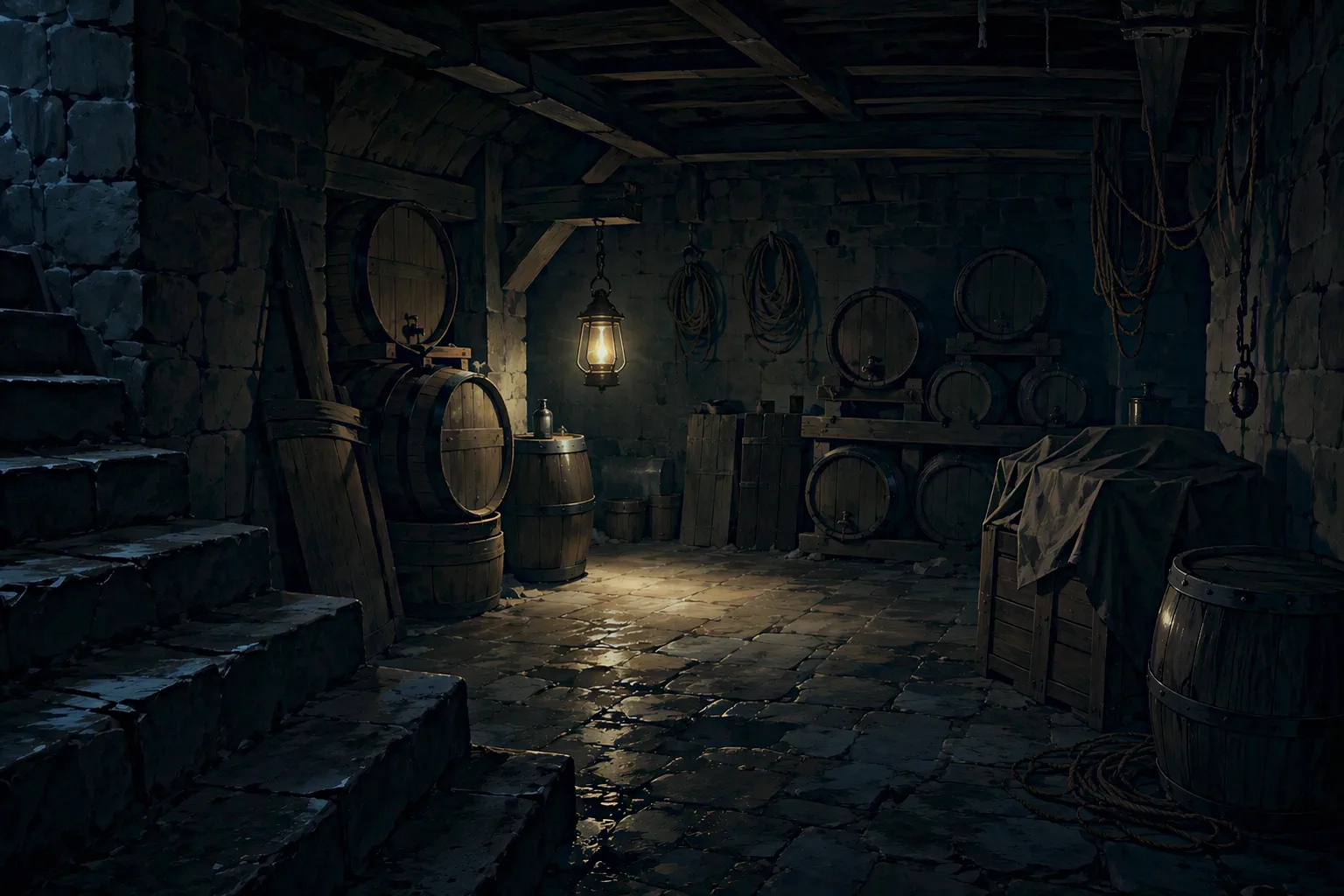
Grey morning at the Drowned Bell, the tide gone out. Your mother sets a third bowl at the long table without looking at where it goes. It is for Wren, your daughter, three years dead. Your wake-hound Ossa stands jammed in the hearth-corner, keening at nothing you can see. Then the boy Cobb bangs in from the cold, wet to the knees. Coffer Dagg wants you at the berth. She has a piece that needs valuing, and she says to bring the quiet way of looking.
You are Alder Quen, and you rent your grief by the hour. You have never told a living soul what else your grief can do. In Dagg's cellar, by lamp, a child is waiting who answers to Wren.
A country that taxes calm and fines weeping
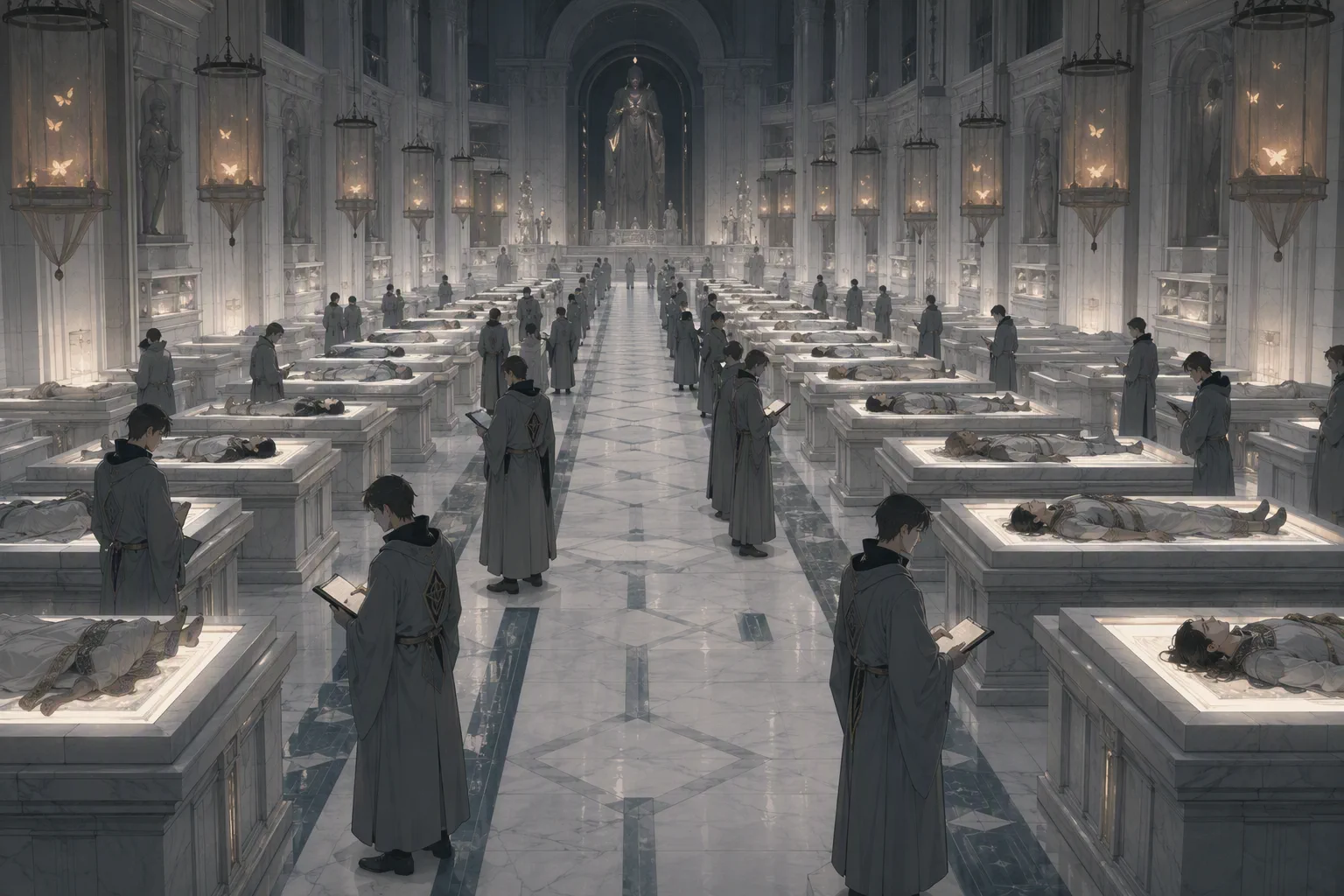
The Clear is a grief-noir mystery in a low-fantasy country built on one law. The soul is glass, molten while you live. Die calm and you anneal Clear: still, raisable and a taxable asset of the state. Die in passion, in terror or rage or grief, and the shock scalds you opaque forever. No one can raise you and the crown gets nothing from you, which makes you free.
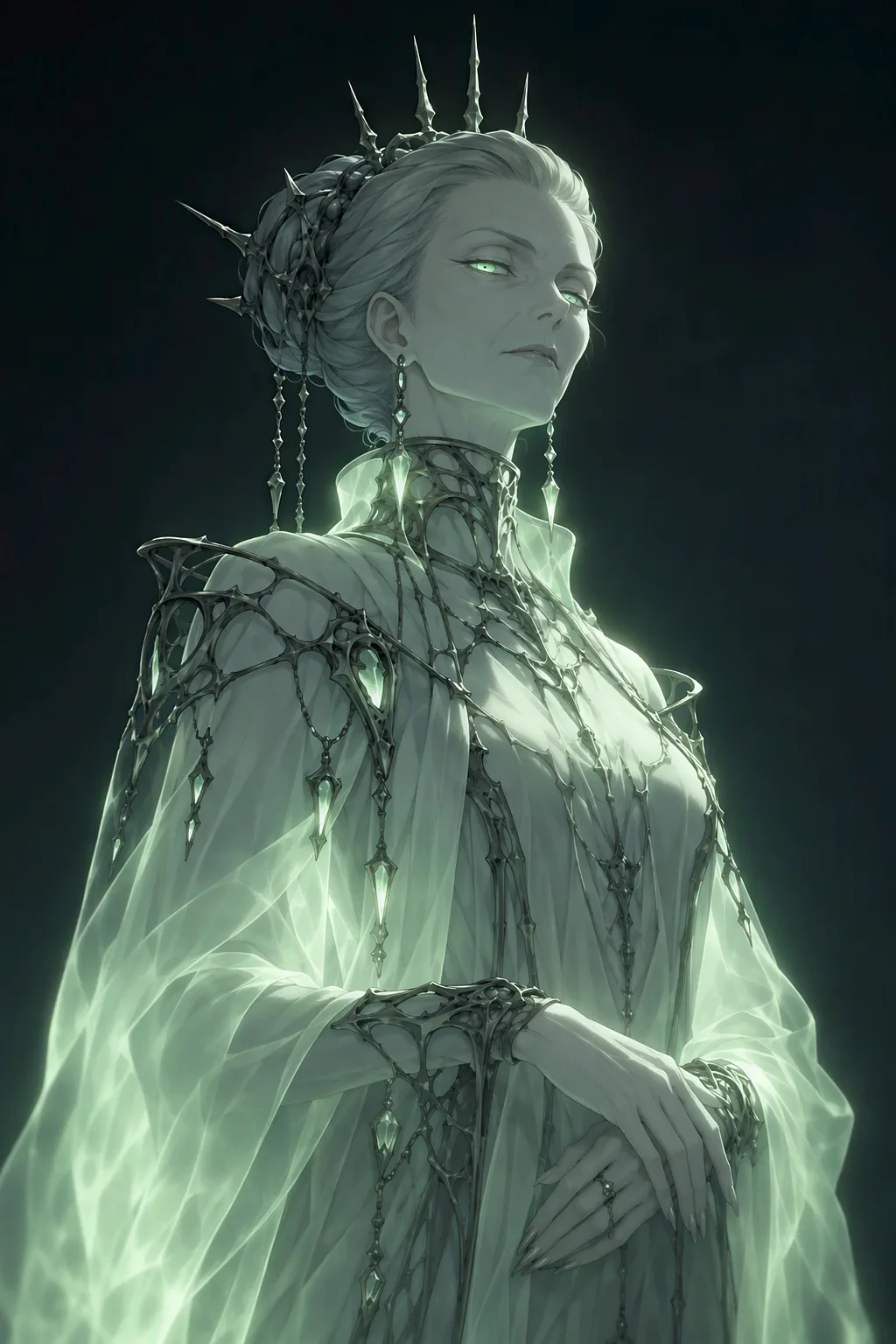
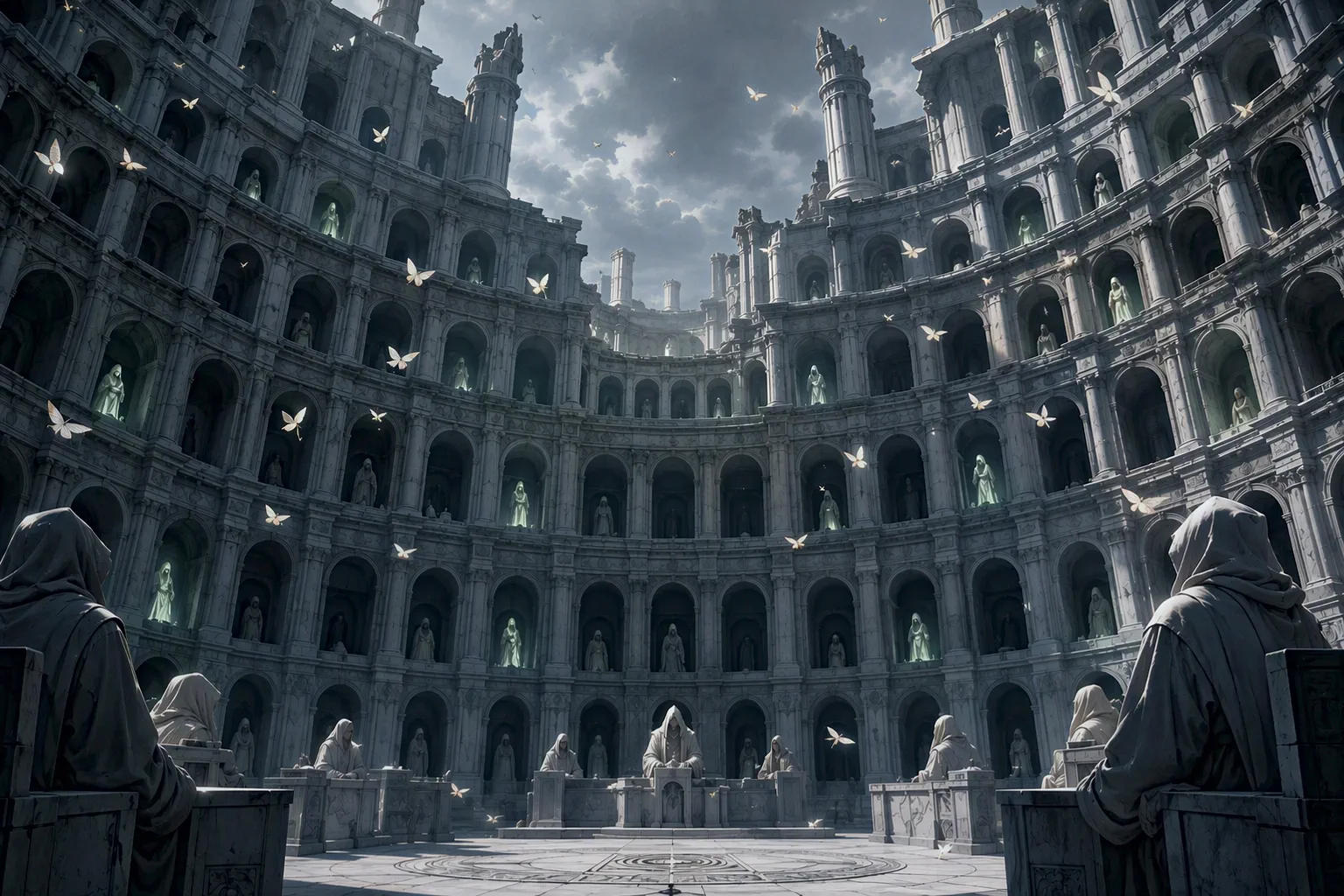
The Serenity Assize turns that law into paperwork. It fines public weeping and grades the dead like wine, and its assessor's-moths glow amber over anyone who grieves too hot. The threat arrives as a gentle clerk saying hold still, this won't take a moment.
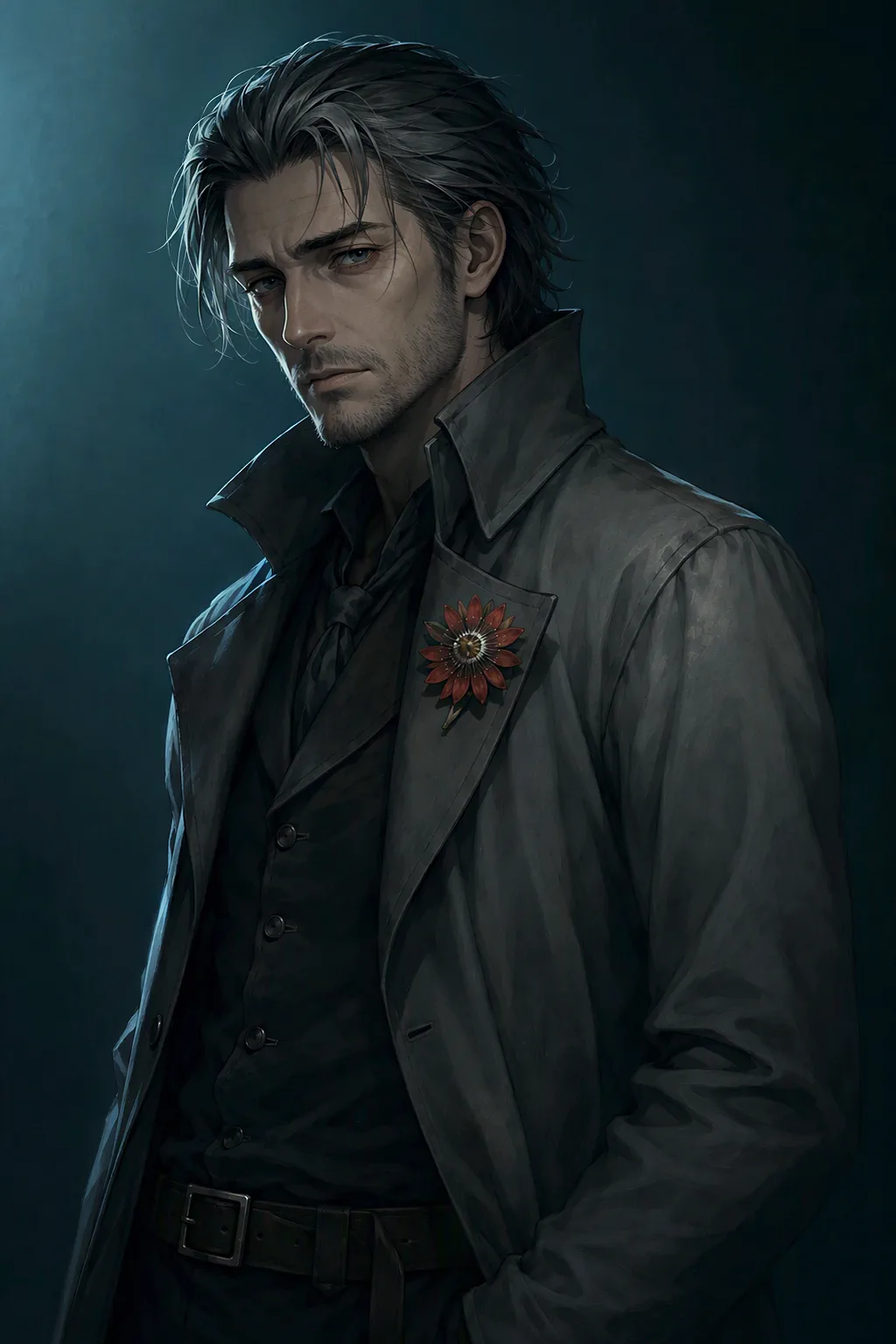
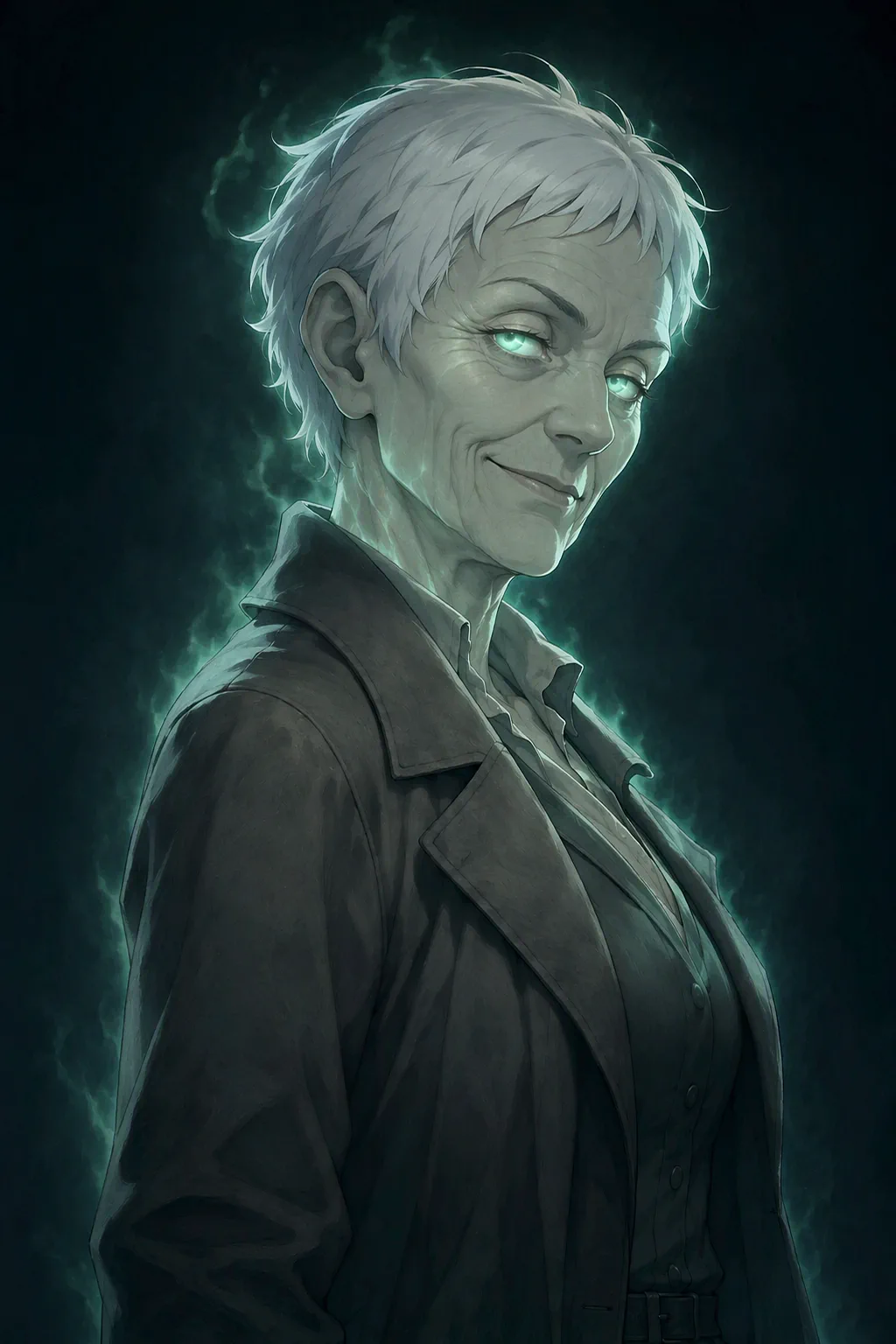
Alder Quen, hired mourner
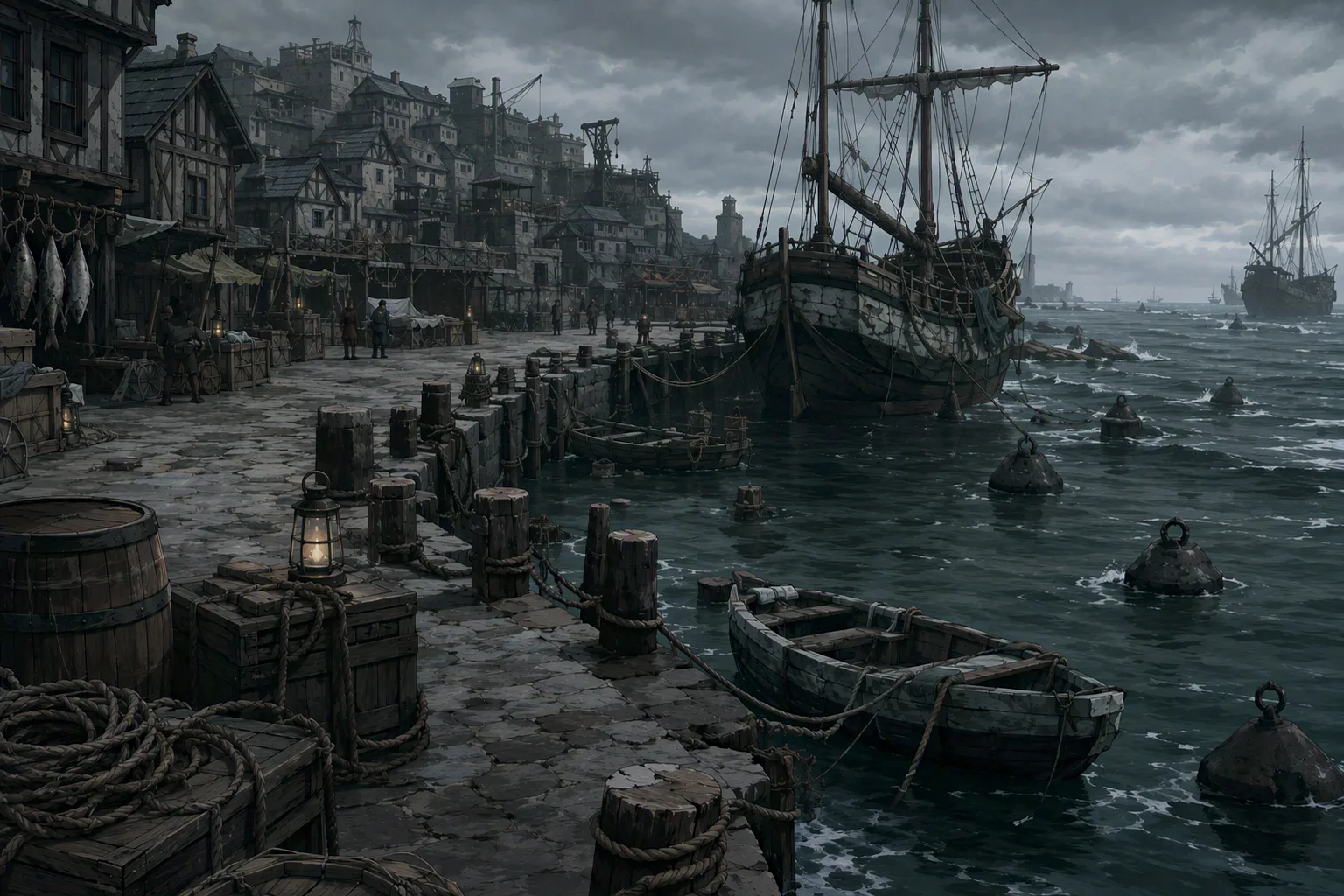
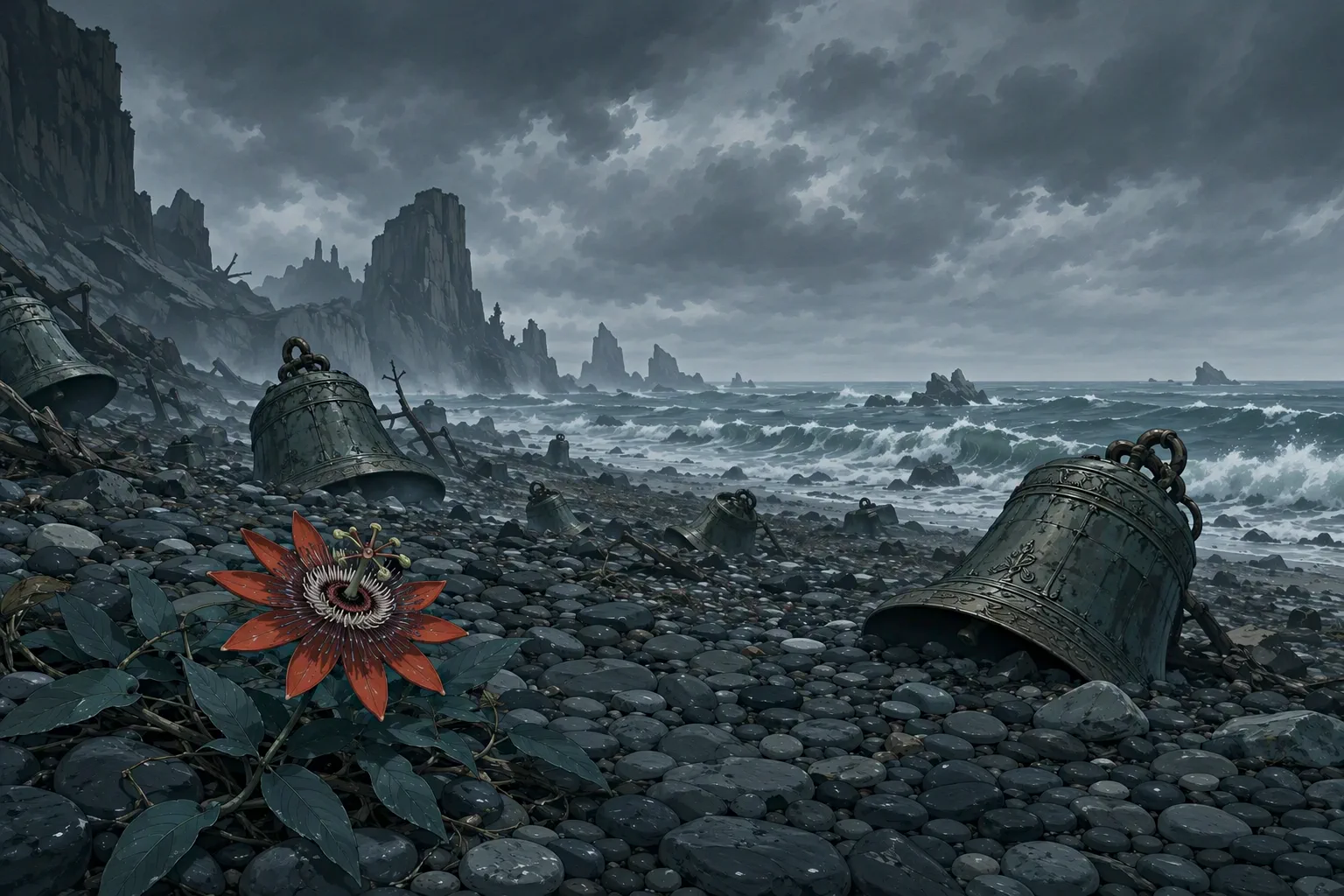
On the storm coast of Wrack, a smugglers' cove where everything the capital forbids comes ashore, you work as a grief-broker. Families hire you to weep at funerals so the moth never lights on them and the Assize never taxes their calm. It is honest work and good cover, and the real thing is the one grief you cannot afford to be seen with.
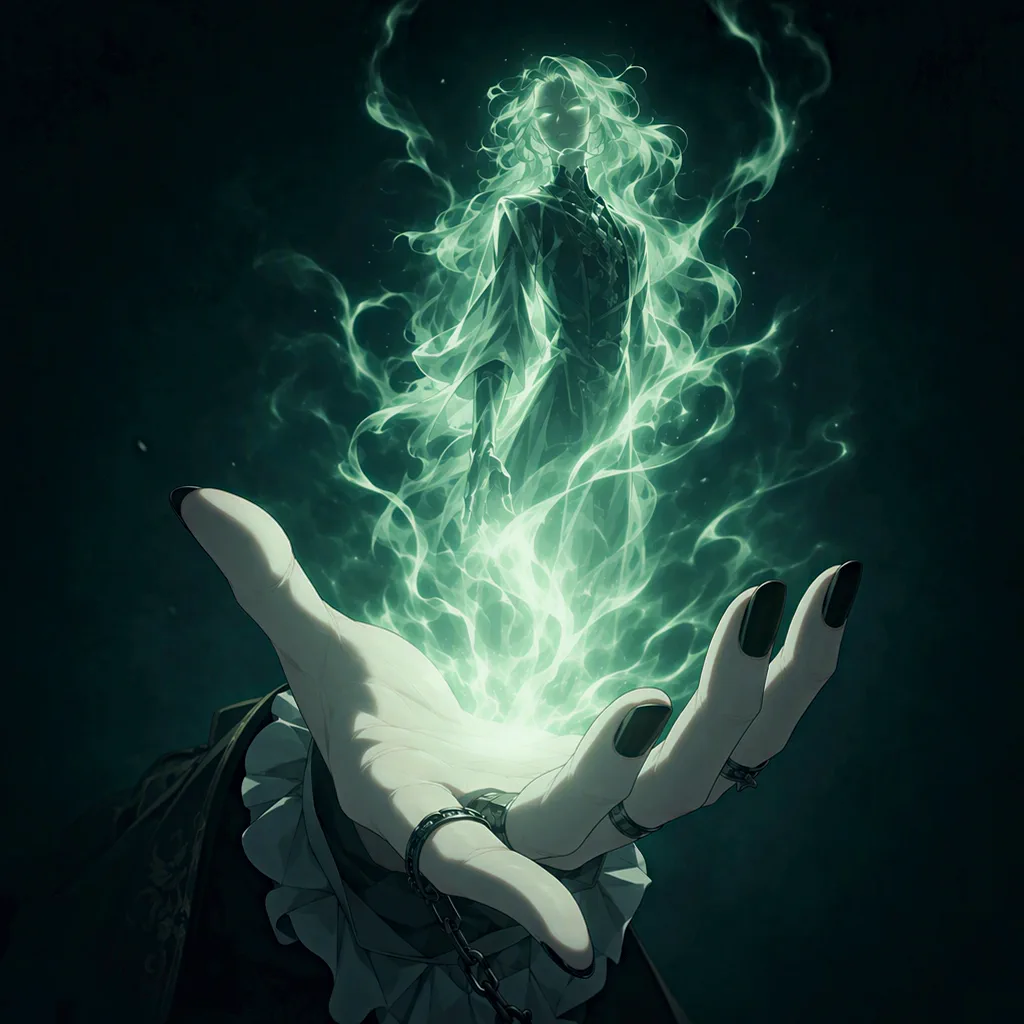
You are also a necromancer, a Conductor, though not the useful kind. You cannot raise obedient Husks. You can raise only the Unmoved, the lucid dead who keep their own will, and only by holding up a genuine, unhidden grief that fits the soul like a key fits a lock. Each raising costs you, and the dead you wake do not serve. They argue, and they see through you. There is no army here, only a wound you can rent and a truth you can carry.
The cellar, and the question it leaves you
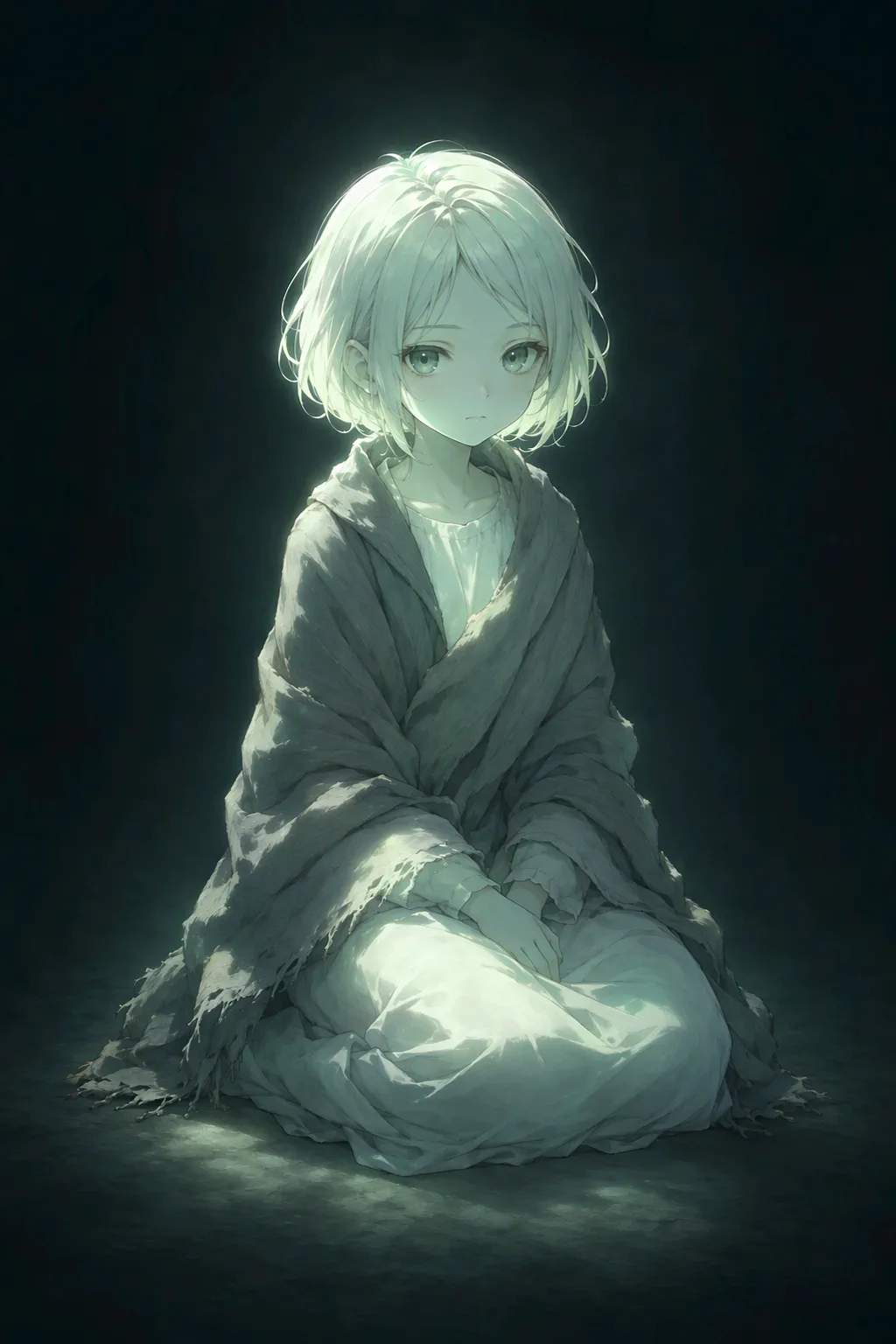
By every law you know, a child who died afraid cannot be raised at all. Yet Coffer Dagg is selling one as a genuine vintage, calm and unhurried, answering to your daughter's name.
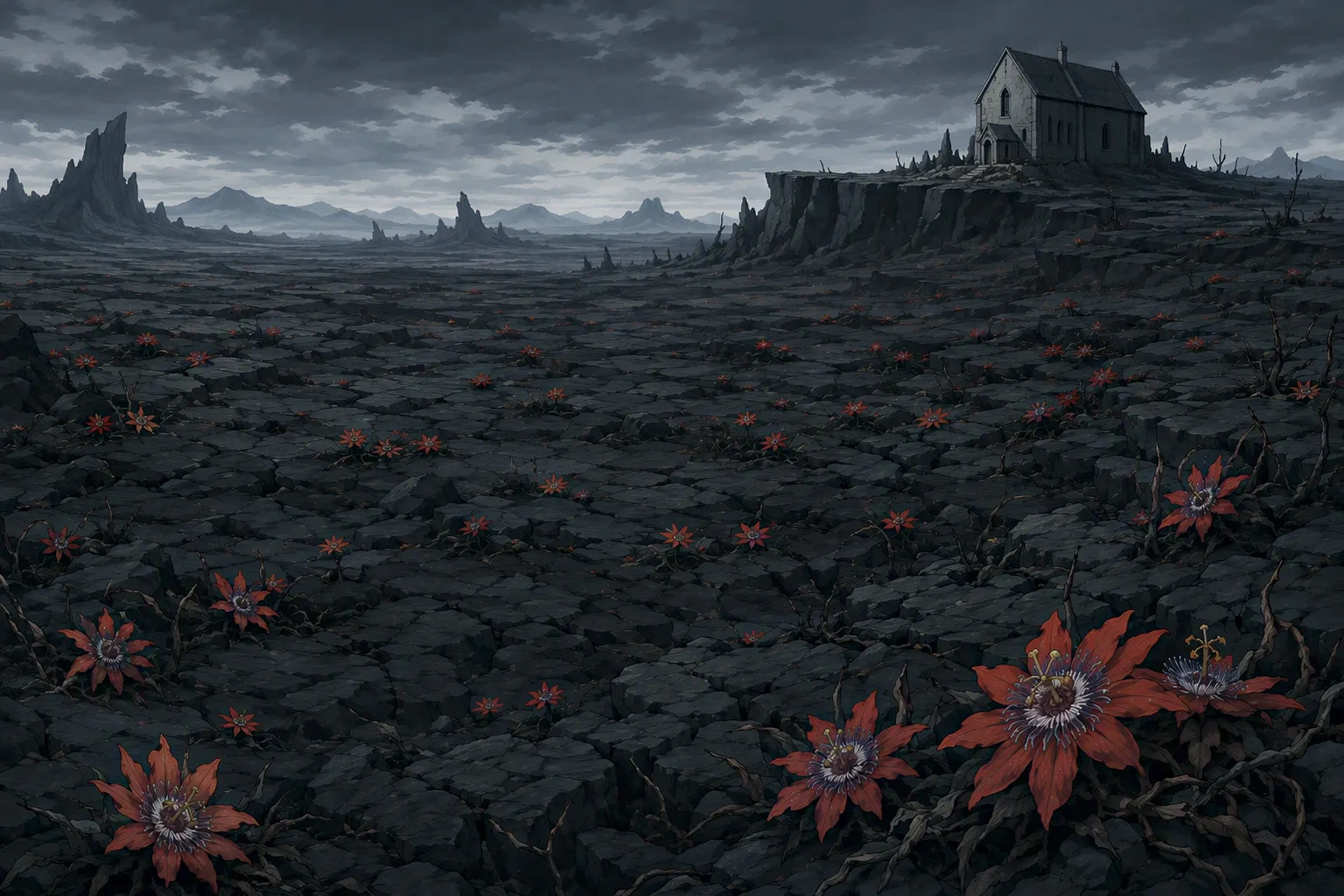
Is she a forgery, a miracle or something between? You can test her with a question only Wren would flub, or with a lullaby, and every test cuts both ways, bringing you closer to belief and closer to exposure. Behind her sits a larger question about what the country's calm is built on. Following it takes you up a map shaped like a thermometer, from the white still basin at its cold centre to the forge-lit Wroth Marches, where the Marchers burn themselves free on purpose.
What you can do
You attend to a face, a corpse, a room, a grief, and then choose what to spend and what to withhold. You can investigate, read a person's composure, broker a funeral, raise the Unmoved, or refuse to reach at all. Refusal and walking away are always on the table, and nothing punishes them as cowardice.
Free text works throughout, and the story remembers it, from the word you gave Coffer to what you told your mother. There are several endings, and each one costs you something. Underneath is a tragedy more than a puzzle. The power that could free everyone is tied to the grief you carry, and the game asks what you would give up to hold your daughter again.
Rain-grey, literary and unhurried
Think sea-fret on the window, a cup wiped too long and a mother who answers feeling with chores. The prose is spare and the dialogue talks around the wound. The tone is melancholy, philosophical and noir, and the dread is institutional rather than gory. A quiet evening brokering one honest funeral is a full session on its own.
Before you start
Do I need to read lore first?
No. The law of the glass soul comes through scenes, and the opening is a kitchen, a boy at the door and a choice about what to do first.
Is it a horror story?
It is closer to grief noir. The dread comes from the Assize, with its ledgers, fines and courteous clerks, rather than from gore.
How long is it, and is there combat?
There are no armies and no battle maps, and force is rarely the answer. A single evening makes a satisfying session, and the longer arc crosses the whole country.
If this is your kind of story
If you like a mystery that grows from one impossible object, stories about grief, or an afterlife run as an office, start at the Drowned Bell with the third bowl still steaming. Fans of bureaucracy as horror may also like The Ledger of Last Breaths, which treats death as a desk job and plays it for dark laughs.